
5 simple moves that stop blood sugar spikes after every meal
5 simple moves that stop blood sugar spikes after every meal
When you eat, your blood sugar goes up, especially if you’ve loaded up on things like white rice, bread, sweets, pasta, or sugary drinks. That rush of sugar (a post-meal spike) is normal, but if it happens too often, especially for folks with prediabetes, insulin resistance, or type 2 diabetes, it leaves you tired, weirdly hungry, spaced out, and, over time, it bumps up your risk for heart and metabolic issues. According to medical science, you don’t need to obsess over every spike, but keeping things steady helps.
You don’t need complicated diets or expensive gadgets to control this. Simple habits, timed right, matter most. Whether it’s a quick walk, rearranging what you eat, adding more protein, dabbling with vinegar, or even just moving your feet, these tweaks help your body handle sugar better.
Here are five easy moves to flatten that blood sugar curve, and some simple hacks on how to get them right.
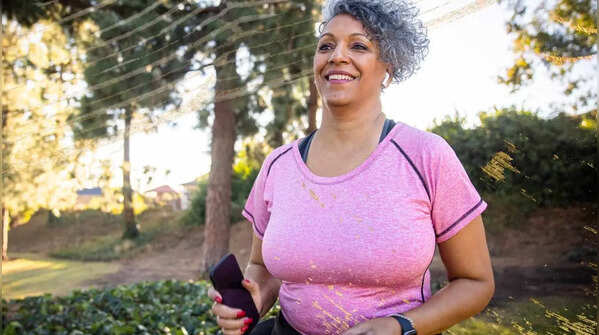
Take a 10–15 minute walk after eating
This may sound like a simple act, but it’s both super effective and easy to do. Studies show even a light walk helps your muscles soak up glucose, so your blood doesn’t get loaded with extra sugar. One study found that three 15-minute walks after meals worked as well as a single 45-minute walk; evening walks helped the most. Even two to ten minutes works.
So, what can you do? Start within half an hour after you finish eating. Walk at a comfy pace, no need to perform some racewalking. Aim for ten minutes, and go up to fifteen minutes if you can. Don’t flop on the couch right after dinner. Even pacing around the house is good.
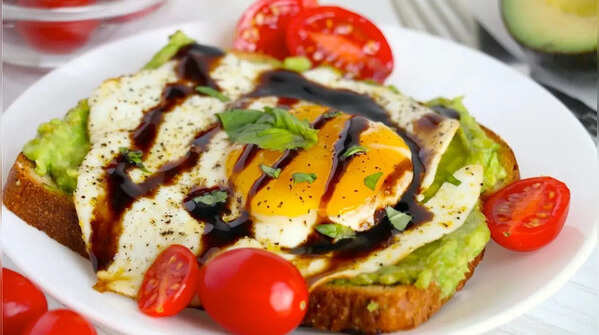
Eat veggies and protein first, and keep carbs for last
Now, this is a crucial habit to turn into a routine. When consuming meals, the order matters more than you’d think. If you start with fibrous veggies and protein, it slows digesting and keeps sugar from flooding your bloodstream all at once. A significant study from Weill Cornell Medical College in New York City, NY, suggests leaving carbs or dessert for last.
What should you aim for? Instead of jumping in with bread or rice, start with salad, cooked veggies, dal, eggs, paneer, meat, or fish. Carbs come later. So, veggies first, protein second, starch last. It’s a small change, but the impact is big.
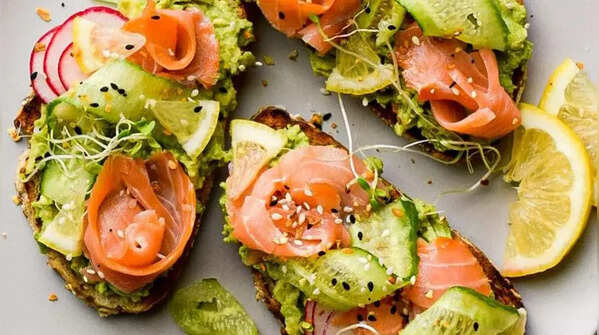
Add protein and healthy fats to every meal
A meal that’s just carbs (think toast for breakfast, or just rice at lunch) leads to faster spikes. Some protein and healthy fat slow things down and keep you full longer, so you don’t crash and crave more. Scientific research backs this claim as well.
What you can do is pair carbs with eggs, yogurt, paneer, lentils, tofu, fish, chicken, nuts, seeds, or peanut butter.
For example, go for fruits and nuts instead of fruit alone, and get toast and eggs instead of just toast. Think rice with dal and veggies, not just rice. The bottom line is, you don’t need to ditch carbs entirely, but make sure there’s balance.

Use vinegar before carb-heavy meals
Yes, it may sound odd, but it’s backed by research: a little diluted vinegar before a carb-heavy meal can help slow sugar and insulin spikes. It makes your stomach empty more slowly and helps your cells absorb glucose at a gentler pace.
You can mix one tablespoon of vinegar (apple cider or white) into a full glass of water 10–20 minutes before eating a carb-heavy meal. However, never drink it straight, as it’s imperative to protect your throat and teeth. And if you have problems like ulcers or acid reflux, make sure to run it by your doctor first.
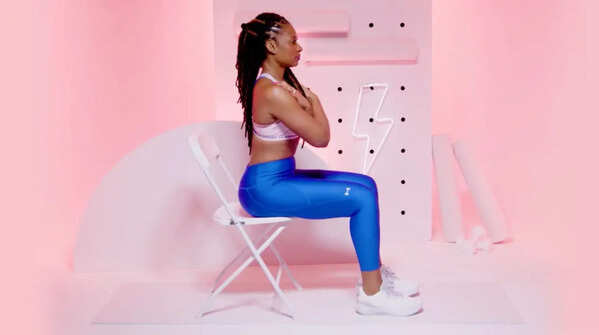
Try calf raises or soleus push-ups
If getting up for a walk isn’t possible, try this: seated calf raises. The soleus muscle in your calf is a real glucose burner, even during slow, easy movements. One study showed blood sugar spiked less if people did this after eating.
How to do it? Start by sitting with your feet flat, balls of your feet pressed down, and lift your heels up, then lower them slowly. Keep going for five to ten minutes after meals. It’s a slow, steady move, so you don’t need to rush. Best bit? You can even do this while watching TV.
Featured In etimes

