
The best types of exercise for lowering colon cancer risk
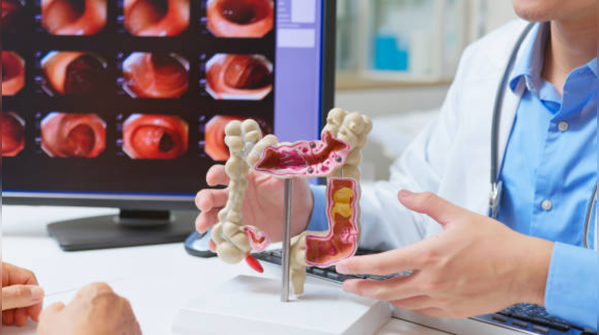
Structured exercise can reduce cancer death by 37%
You don't need a gym membership. You don't need fancy equipment. You don't even need to be an athlete. A brisk walk. A bike ride. A swim. Those simple activities could be keeping you from developing colon cancer. And if you've already had colon cancer, they could be the difference between survival and relapse.
A landmark global study published in the New England Journal of Medicine found that structured exercise could reduce colon cancer deaths by 37 percent and dramatically increase overall survival rates.
The study involved 889 people with colon cancer from six different countries in what researchers called the CHALLENGE trial. Participants chose their own forms of moderate-intensity exercise with the goal of adding two and a half hours of exercise per week to their usual routine and maintaining this for three years and beyond. The results were startling. People who took part in structured exercise program had a 90 percent chance of survival compared to 83 percent for those who did not.
What are the exercises we should be doing?
But here's what matters for people who haven't had cancer yet: the prevention works too. Physical activity may result in a 24% risk reduction in men and 23% risk reduction in women. That means if you actually move your body regularly, you're substantially less likely to develop colon cancer in the first place.
The thing is, you've got options. There's strong evidence that moderate-intensity physical activity (such as brisk walking) as well as vigorous physical activity (including running, fast cycling and aerobics) decreases the risk of colon cancer. During the trial, people were supported to reach their weekly exercise target in a way that worked for them. This could be a brisk walk for around 40 minutes every day, but some patients were also doing circuit classes, cycling, swimming, and many other activities, according to Cancer Research UK.
The categories break down into two basic types. Walking for exercise, golf, and gardening are moderate-intensity activities and running, swimming, and squash are placed in the vigorous category. The beauty of this is flexibility. You're not locked into one thing. You can rotate between activities depending on your mood, your schedule, the weather. This can include walking, cycling, swimming or group fitness classes. If you are interested in group fitness but gyms aren't your thing, consider using an app for at-home workouts.
One bout of intense exercise has a significant impact on cancer cells
What makes this especially striking is how fast exercise works. In a recent small study published in the International Journal of Cancer, researchers found that a single, brief bout of intense exercise led to immediate changes in blood that affected how colon cancer cells behaved in the lab. Scientists had 30 adult participants do high-intensity interval-style cycling lasting about 10 minutes and found that blood collected after exercise triggered widespread changes in gene activity inside cancer cells. Your body starts fighting back almost immediately.

How does it work?
The mechanism is actually pretty elegant. Researchers believe it could be linked to the way physical activity helps regulate hormone levels, reduce inflammation, and strengthen the immune system. You're not just losing weight, which matters. You're literally changing the chemistry of your blood and how it interacts with cancer cells.
For people recovering from cancer treatment, the American Society of Clinical Oncology manual recommends 150 min/wk of moderate aerobic exercise (fast walking, cycling or stretching) and two or three power-boosting exercises (weight lifting).
The honest truth is that exercise is one of the few things that works for almost everyone. Studies have already shown that doing lots of aerobic exercise - the kind that works your heart and lungs - helps prevent colon cancer. Exercise also helps you survive the disease if you get it, according to Harvard Health.
So what are you waiting for? A walk counts. A bike ride counts. Just start moving.
Featured In etimes

