
Mini workouts: Can 5 minutes a day build real fitness?
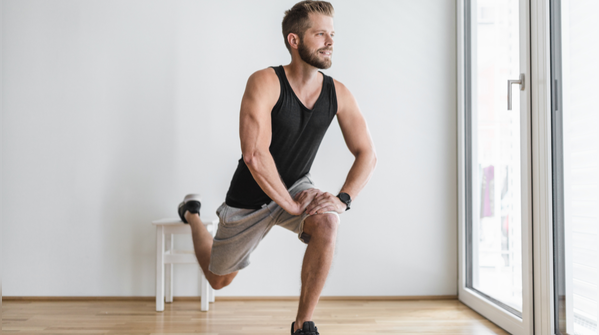
When five minutes feel too small to matter
Five minutes sounds trivial. It is shorter than a tea break and barely enough time to scroll headlines. Yet the human body responds quickly to stress, even in short bursts. The real question is not whether five minutes is “enough.” It is how those five minutes are used, and how often they are repeated.
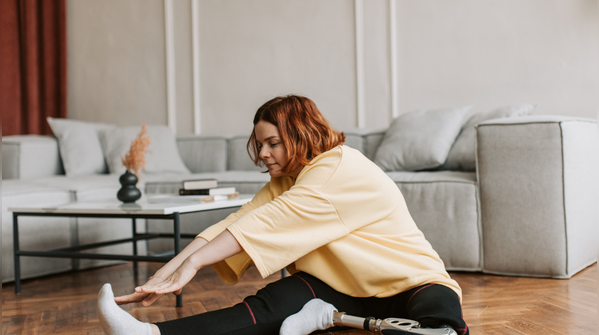
Can mini workouts really work?
Research over the past decade has shown that brief bouts of movement can improve heart health, strength, and insulin response when done consistently. A 2023 study published in the JAMA Oncology using data from the UK Biobank found that just a few minutes of vigorous intermittent lifestyle activity each day was linked to lower risk of cardiovascular death. The study was supported by publicly funded health data from the UK Biobank, a major biomedical database in the United Kingdom.
So yes, five minutes can build real fitness. But only when the effort is honest and regular.
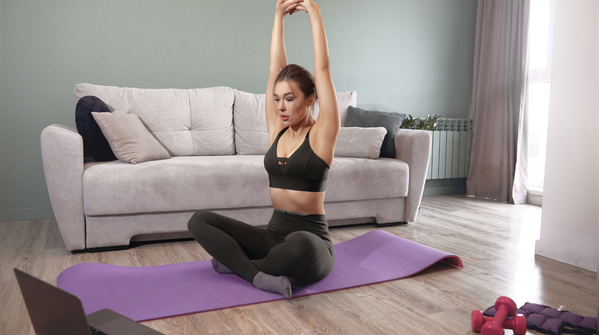
What a real 5-minute workout looks like
A meaningful five-minute session is not casual stretching or slow walking. It needs intensity. That means breathing harder, feeling warmth in the muscles, and slightly struggling by the end.
A simple structure works well:
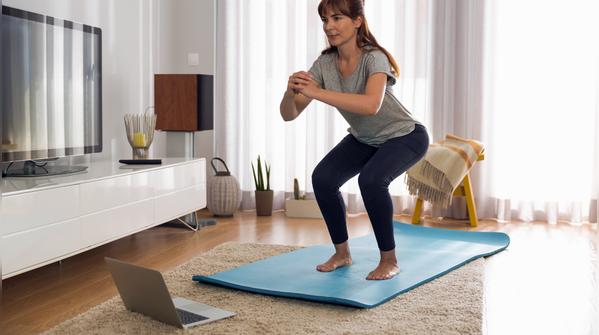
1 minute bodyweight squats
1 minute push-ups or wall push-ups
1 minute brisk stair climbing or jumping jacks
1 minute plank hold
1 minute fast marching or high knees
This is not random. It covers legs, chest, core, and heart. It uses large muscle groups, which trigger stronger metabolic responses.
The body does not measure workouts by clock time alone. It measures them by effort.
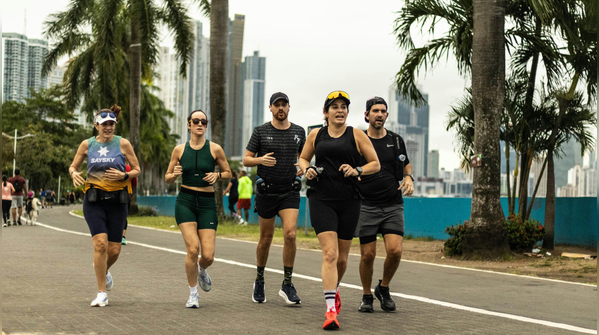
What science says about short bursts of exercise
The idea that exercise must last 30 or 60 minutes is changing.
The Centers for Disease Control and Prevention notes that physical activity can be accumulated in short bouts throughout the day and still contribute to health goals. Their guidelines recommend at least 150 minutes of moderate activity per week, and this can be broken into smaller sessions.
Similarly, the National Institutes of Health has highlighted in multiple funded trials that high-intensity interval training, even in short durations, improves cardiovascular fitness and insulin sensitivity. One NIH-supported study showed that brief, intense stair climbing intervals improved cardiorespiratory fitness in previously inactive adults.
The evidence does not suggest that five minutes replaces structured training. But it does show that short, vigorous movement has measurable health benefits.
Can it build muscle and stamina?
Five minutes alone will not create bodybuilder-level muscle. But it can build functional strength, especially for beginners.
Muscle adapts to stress. If someone who is sedentary begins doing daily squats and push-ups, even for five minutes, the body responds. Within two to four weeks, there is better muscle coordination, improved endurance, and often visible firmness.
For stamina, the gains may be even clearer. Short bursts increase heart rate quickly. Over time, the heart becomes more efficient. Resting heart rate may drop slightly. Breathing during daily tasks becomes easier.
Fitness is not only about size or speed. It is also about being able to climb stairs without gasping, carry groceries without strain, and sit less without stiffness.
Five minutes done daily can change that baseline.
Why consistency beats duration
The real power of mini workouts lies in habit.
Long sessions often fail because they feel overwhelming. A five-minute promise feels possible, even on a busy day. That lowers mental resistance.
There is also a biological reason. Regular stimulation keeps muscles and metabolism active. When movement becomes daily, insulin response improves and blood flow remains steady.
According to guidance from the World Health Organization, adults should limit sedentary time and replace it with activity of any intensity. The shift from “all or nothing” to “something is better than nothing” reflects current global thinking on movement.
Five minutes will not compensate for 12 hours of sitting. But it can interrupt that pattern and reduce harm.
Who benefits the most from mini workouts?
Mini workouts are especially helpful for:
Office workers who sit for long hours
Beginners who feel intimidated by gyms
Older adults starting movement after a gap
People managing early lifestyle conditions like prediabetes
They also help those who struggle with motivation. A short session reduces decision fatigue. It builds confidence.
That said, individuals with heart disease, severe joint pain, or uncontrolled medical conditions should consult a doctor before starting high-intensity bursts.
Fitness is personal. A five-minute session must match the person’s health status.
The hidden psychological shift
There is another benefit that numbers do not fully capture.
Completing a five-minute workout creates a sense of agency. It signals that health is not dependent on perfect schedules or expensive equipment. It becomes accessible.
Over time, those five minutes often grow. A person who begins with five may naturally move to ten. Progress becomes organic.
The goal is not to glorify short workouts. It is to remove excuses and build momentum.
Five minutes may not transform the body overnight. But repeated daily, it reshapes habits. And habits shape health.
Featured In etimes

