
These Indian fruits have surprisingly different English names

Indian fruits have surprisingly different English names
Imagine this: you are struggling with digestive issues. Your stomach has been acting up for weeks, and nothing seems to help. Then one day, your grandmother calls from India and tells you the solution—amla. She swears by it. “Eat it fresh or, better, candy it. Chew a couple daily, beta; it will help,” she tells you with the confidence of someone who has been using Ayurvedic remedies for decades. So you hang up the call and head straight to your local grocery store. You search the produce section. You ask the staff. You check the labels. But there is no ‘amla’ anywhere. Well, amla goes by a completely different name in English. India’s tropical climate produces some of the world’s most exotic and delicious fruits. However, they often go by completely different names in English. Here are some examples.
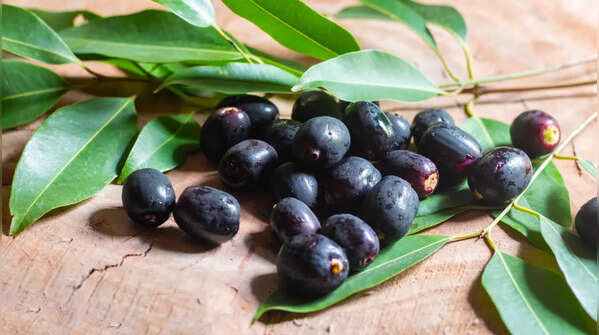
Jamun
Most Indians have grown up eating jamun. It is a small, oval fruit with a dark purple colour that becomes almost black when ripe. Native to the Indian subcontinent and Southeast Asia, this fruit is fleshy, slightly astringent, and mildly sweet. This sweet-tart fruit is eaten fresh, and some like to sprinkle a little sea salt on it. Jamun has several names. It is called Java plum or black plum in English. Another name is Indian blackberry.
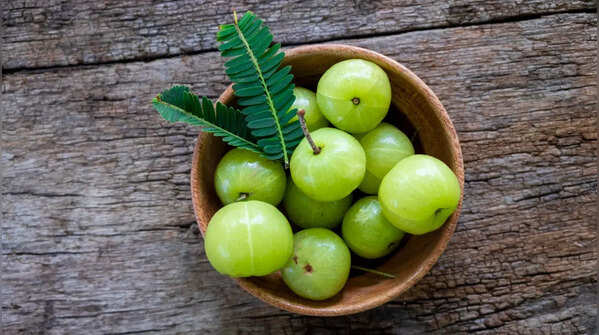
Amla
You will find amla in every Indian household. This small, greenish-yellow fruit, native to southern Asia, is exceptionally sour when raw but becomes sweeter when cooked. An excellent source of vitamin C, this fruit is called the Indian gooseberry in English. A staple in Indian cuisine, amla is used in chutneys, pickles, and juices. It is linked to heart health, better digestion, radiant skin and hair, and improved blood sugar levels.
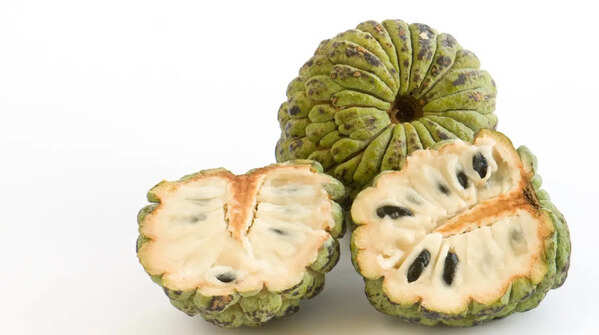
Sitaphal
People in India absolutely love sitaphal. This tropical fruit is eaten raw, ripe, chilled, and in smoothies, shakes, ice creams, and desserts. It has a hard, green, segmented exterior. Once it ripens, the hard skin softens, and inside you will find soft pulp with seeds. The creamy white to ivory pulp is delicious. This fruit is called custard apple or sugar apple in English. It is believed to be named after Sita from the Hindu epic Ramayana.
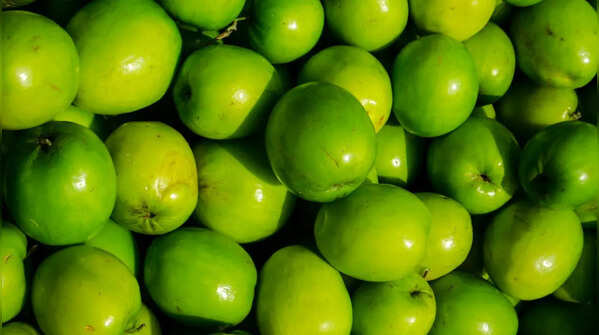
Ber
Ever had ber? For most Indians, this fruit is a part of their childhood. The small, round to oval-shaped fruit has reddish-brown skin. The flesh is sweet and also has a satisfying crunch. Native to South Asia, southern China, Southeast Asia, and Central and West Africa, this fruit is called the Indian jujube or Chinese date in English. It is best eaten fresh as a snack, but it can also be dried for storage. Some people pickle it. Ber is a superfood packed with vitamin C, fibre, and antioxidants.
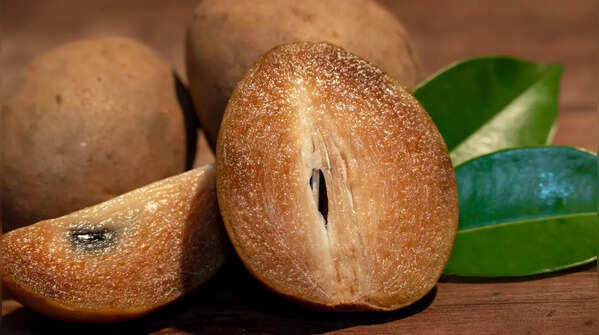
Chikoo
Now, if you have ever been to India during the summer, chances are you have had chikoo in some form or another. This sweet, brown fruit, about the size of an egg, is beloved across India. It has a soft, grainy texture and a honey-like sweetness. You can eat the fruit fresh as a snack or add it to fruit salads. People also enjoy chikoo milkshakes. Another delicacy is chikoo ice cream. It is also used to make desserts like halwa. In English, this fruit is called sapodilla.
Featured In etimes

