
Why you wake up feeling hot at 2 AM: The real reason your body feels warmer at night

Why your body feels hotter at night
There is a strange moment many people know well. The fan is running, the room temperature has not changed much, yet the body suddenly feels warmer after sunset. Some wake up sweaty at 2 am. Others keep flipping the pillow searching for the “cool side.” And many quietly wonder whether something is wrong with their body.
In most cases, this nighttime heat is not imagination. The human body follows a built-in biological clock, and body temperature naturally changes across the day. Hormones shift, blood vessels react differently, digestion slows, and the brain prepares for sleep. Together, these changes can make the body feel warmer at night even when the weather stays the same.
But there is another side to this story. Sometimes that extra warmth is not just biology. Stress, food habits, screens, poor sleep, medicines, menopause, infections, or even hidden sleep disorders can quietly turn nighttime into a sweaty struggle.
Sleep researchers often say the body does not simply “switch off” at night. It enters a carefully timed repair mode. And temperature is one of the body’s most important signals during that process.
According to the US National Institutes of Health, the body’s circadian rhythm controls several functions including sleep timing, hormone release, and body temperature.
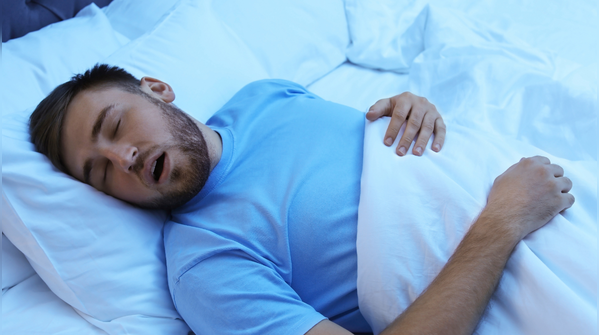
The body runs on an internal clock
Most people think body temperature stays fixed at 98.6°F or 37°C all day. It does not.
The body’s core temperature quietly rises and falls over 24 hours. During the evening, the brain begins preparing the body for sleep. Blood vessels near the skin widen slightly so heat can escape. This cooling process helps trigger sleepiness.
Ironically, while the core body temperature starts dropping, many people begin to feel hotter. That happens because more warm blood reaches the skin surface. The face may feel flushed. Feet become warmer under blankets. Some feel sweaty even before falling asleep.
The Centers for Disease Control and Prevention and NIH-backed sleep studies describe this daily rhythm as part of the circadian system that controls sleep and wake cycles.
This is also why experts often recommend a cooler bedroom for better sleep. A warm room can interfere with the body’s natural cooling process and make sleep feel restless.

Stress and overthinking can quietly raise body heat
Many people notice nighttime heat on emotionally difficult days. There is science behind that too.
Stress activates the body’s “fight or flight” system. Even if someone is lying still in bed, the brain may remain alert. Stress hormones like cortisol and adrenaline can increase heart rate, blood flow, and sweating. The body may feel hot, restless, or uncomfortable.
This is one reason anxious people often complain that nights feel warmer than days.
Mental exhaustion also changes the way the brain perceives temperature. A tired mind becomes more sensitive to physical discomfort. Small warmth that feels manageable during the afternoon can suddenly feel unbearable at midnight.
Food, alcohol, caffeine, and late dinners play a bigger role than people realise
The body generates heat while digesting food. This is called the thermic effect of food. Heavy dinners, spicy meals, alcohol, or late-night snacking can increase heat production when the body is actually trying to cool down for sleep.
Spicy foods may trigger sweating. Alcohol widens blood vessels and can create temporary warmth. Caffeine can increase alertness and slightly affect body temperature regulation.
Many people blame the weather when the real problem is what happened at dinner.
This explains why night-shift workers often complain of disturbed sleep, overheating, and fatigue. Their internal clock and daily habits stop moving together.

Women may notice stronger nighttime heat changes
For women, nighttime warmth can sometimes feel intense because hormones directly influence body temperature.
During menstruation, pregnancy, perimenopause, and menopause, estrogen levels fluctuate. These hormonal shifts can affect the body’s heat regulation system inside the brain.
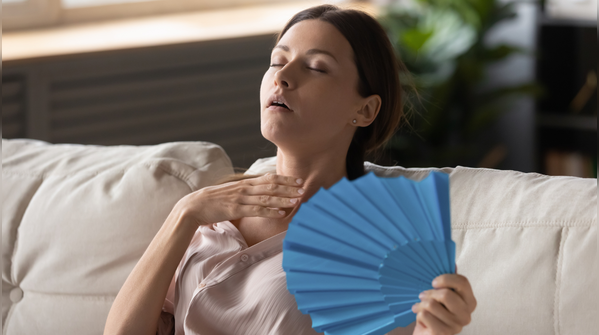
Hot flashes are one of the best-known examples. A sudden feeling of heat spreads through the chest, neck, and face, often followed by sweating. Many women experience them more strongly at night.
Even outside menopause, hormonal changes across the menstrual cycle can slightly raise body temperature during certain phases of the month.
Sleep researchers have long noted that women report nighttime temperature discomfort more frequently than men, especially during hormonal transitions.
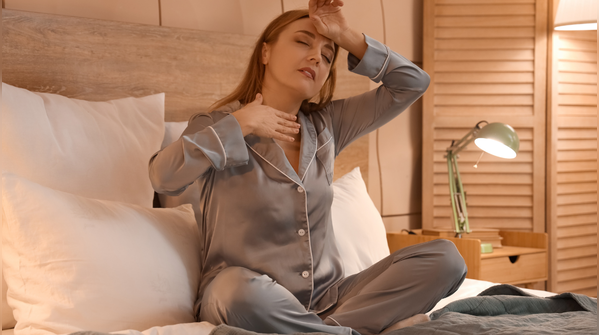
Sometimes nighttime heat is the body asking for attention
If nighttime heat comes with drenching sweats, fever, unexplained weight loss, breathing trouble, chest pain, or severe fatigue, it should not be ignored. Persistent night sweats can sometimes be linked to infections, thyroid disorders, medication side effects, anxiety disorders, sleep apnea, or other medical conditions.
A consistently overheated feeling at night can also point toward poor sleep quality itself. The less restful the sleep becomes, the more sensitive the body feels to heat and discomfort.
The CDC notes that repeated sleep disruption affects overall health, emotional well-being, immunity, and daily energy levels.
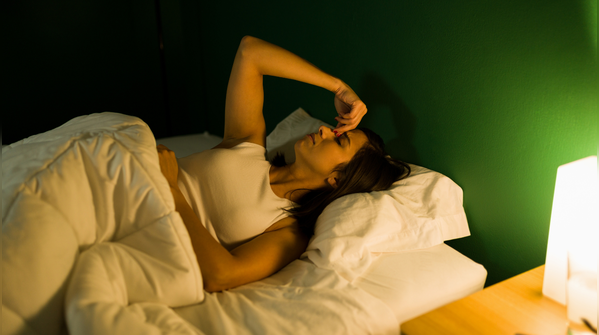
Small changes can help in many cases:
keeping the bedroom cooler,
avoiding heavy meals late at night,
reducing screen exposure before sleep,
wearing breathable fabrics,
limiting alcohol and caffeine in the evening,
and maintaining a consistent sleep schedule.
Sometimes the solution is not another fan or thinner blanket. Sometimes the body simply wants a calmer routine.
Disclaimer
This article is for general awareness and informational purposes only. It should not be considered medical advice, diagnosis, or treatment. Anyone experiencing persistent night sweats, fever, breathing issues, unexplained weight loss, or ongoing sleep disturbances should consult a qualified healthcare professional.
Featured In etimes

