Story: Lionel, a musically gifted farm boy, and David, a pianist, fall in love and travel across early 20th-century America to record music of their countrymen. Their journey explores love, time, and the power of music.
Review: The History of Sound opens quietly, almost too quietly for its own good. From the start, it feels like a film that doesn’t trust the audience to sit still, and that’s both its charm and its weakness. It isn’t flashy or loud. It doesn’t hit you with drama or spectacle. Instead, it drifts along, letting small moments and the faint hum of music carry the story. Some might call it meditative; others may call it boring. Honestly, it’s both at once. You either settle into its rhythm or you fight it every minute. The film asks for patience and full attention from the viewer. It works best when you stop expecting big moments and simply allow the film to unfold at its own pace.
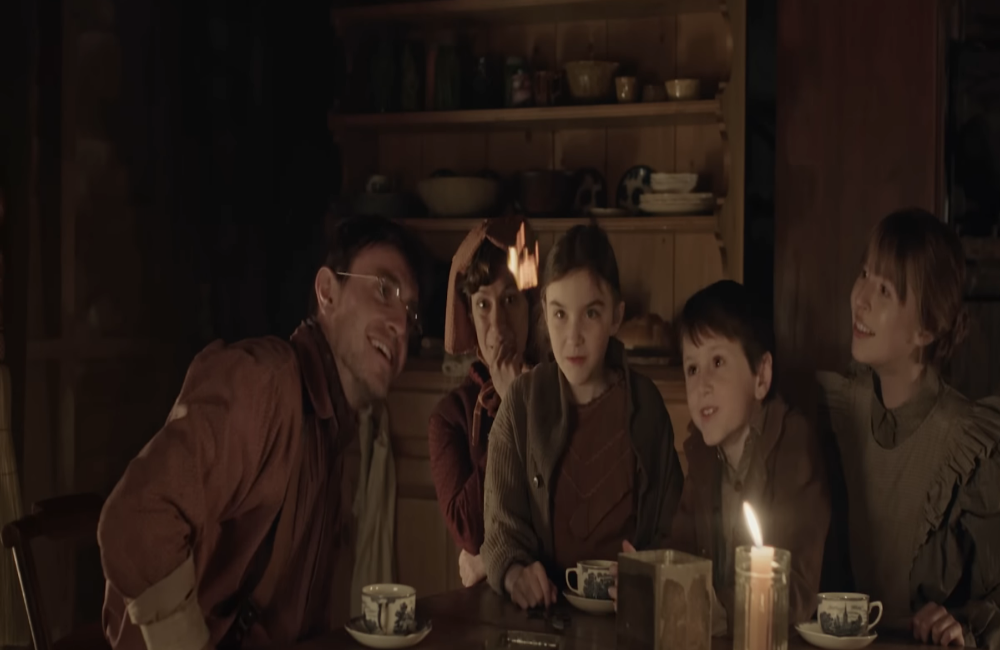
The story follows Lionel (Paul Mescal), a farm boy gifted with a sharp ear for music, and David, a piano player who has experienced more of the world. They meet at the Boston Music Conservatory, grow close, and fall in love, and when David asks Lionel to travel with him to capture the voices and songs of everyday Americans on wax cylinders, Lionel agrees. Their future plan receives a jolt when Lionel returns to his family farm after learning of his mother’s declining health. With time, Lionel stops getting letters or news from David, and the silence slowly shapes his future. Lionel eventually builds a life for himself after working in Italy and London. When fate leads him to Maine, where David once lived and worked in the college, he begins to look for answers. What he finds there brings a quiet, painful truth that changes his memories of love, music, and loss.
The film struggles with pacing, especially after the first hour. The journey through small towns and rural landscapes is fascinating for a while, but then the narrative drifts, dragging scenes of David and Lionel’s later life in Europe. Scenes meant to feel intense or emotional remain subdued, and the film at times feels like it’s crawling. Yet when it works, the combination of music and emotion is breathtaking. The songs feel alive; they aren’t just background; they become a language that communicates what dialogue cannot. The layers of sound, ambient noises, and simple recordings from the past give the story a tangible sense of time and place. The plot sounds simple, almost quaint, and the film leans hard on atmosphere instead of events.
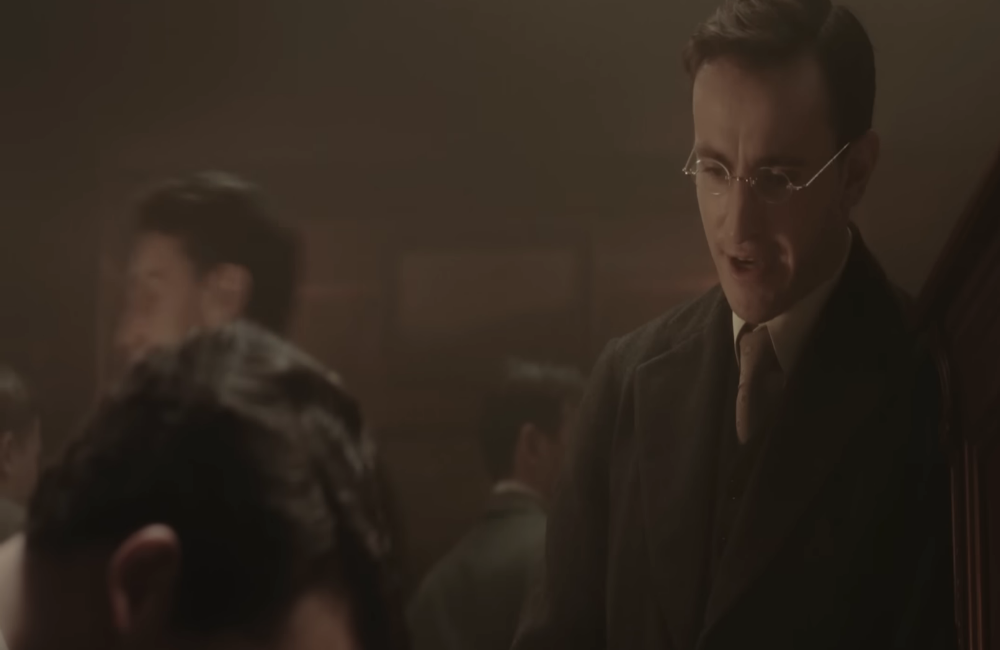
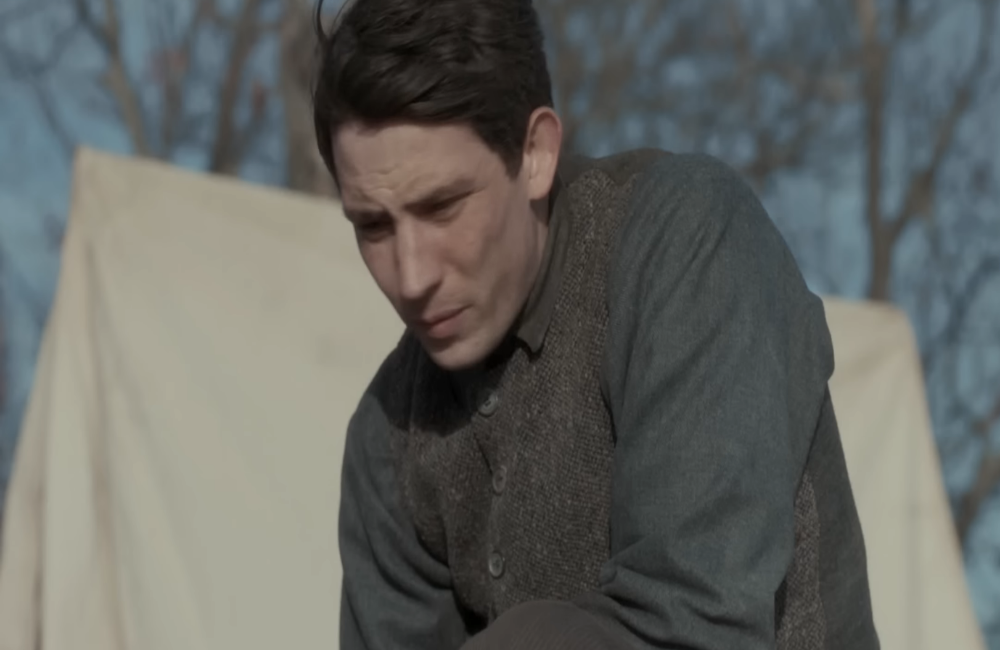
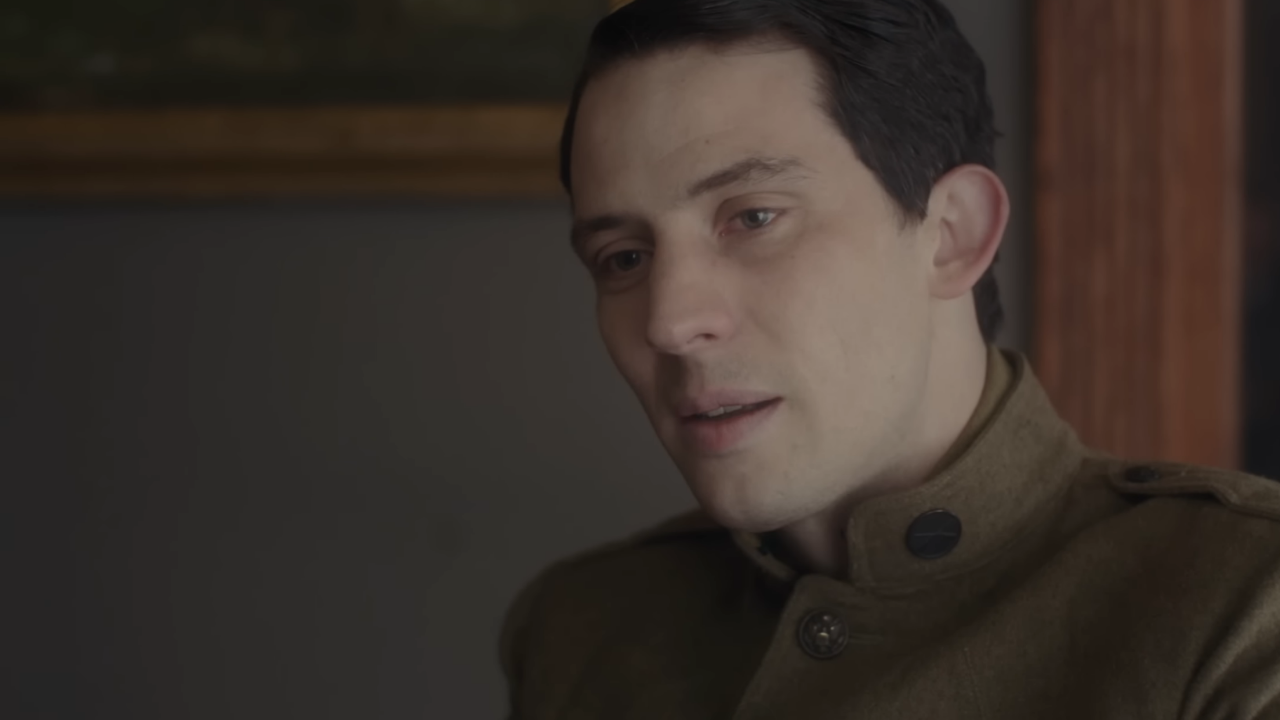
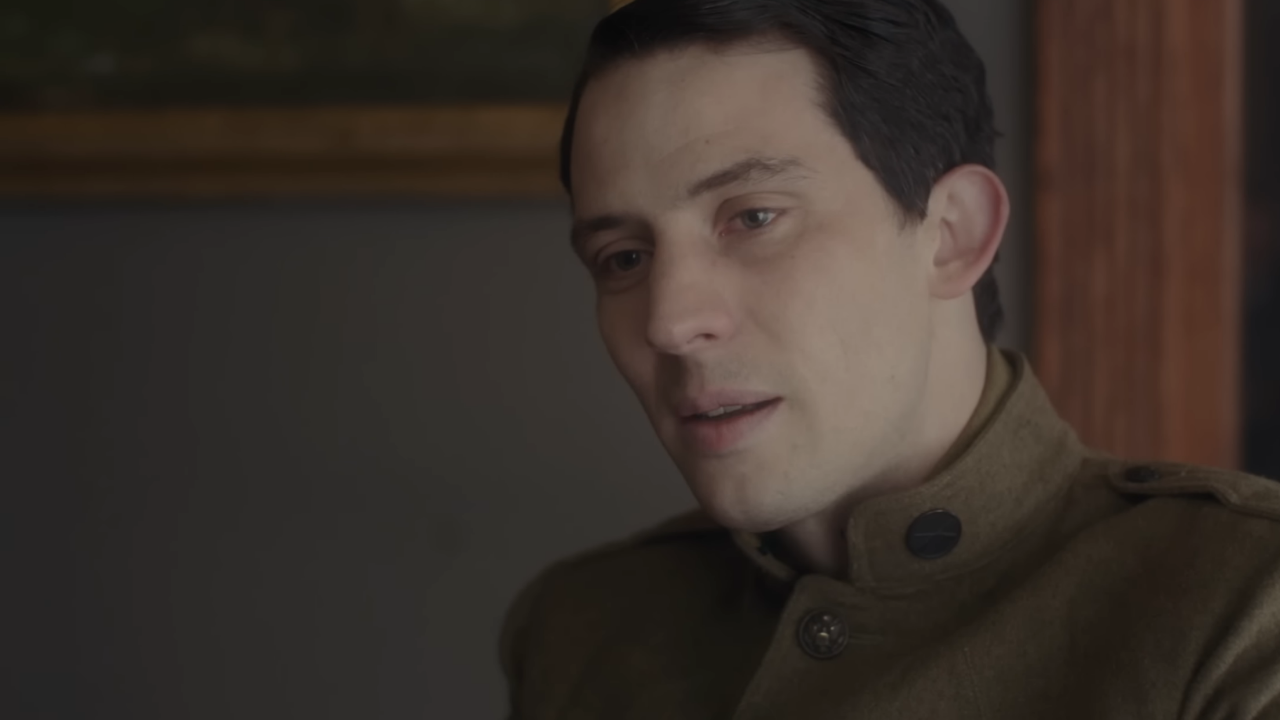
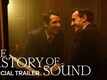
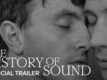
Paul Mescal as Lionel and Josh O’Connor as David are the heart of the film. Mescal is quiet and restrained and carries a weight in his eyes that words could never capture. O’Connor is warmer and more expressive, a perfect foil. Together they build a connection that is subtle, understated, and entirely believable. There are no sweeping declarations or dramatic confrontations, just small, believable interactions. If you expect strong, immediate chemistry, this film may disappoint. But if you like relationships that grow quietly over time, it works well. The supporting characters stay in the background, which feels deliberate but can make the world seem a bit empty.
The History of Sound leaves a mixed impression. It is a good film, quietly and carefully crafted, but it is not gripping in a conventional sense. It asks for patience and attention and rewards those who give it both. It’s a film that celebrates the act of listening, both to music and to people, but its restraint is also its curse. This film is worth seeing if you are willing to settle into its slow rhythm and absorb its quiet moments, but it is not a film for those seeking drama, excitement, or obvious emotional payoffs. The film leaves an impact only if you give it time. Its strength comes from simple details, soft exchanges, and bits of music that express what the characters cannot say aloud.













































0/5