
- News
- Education (Old) News
- How foreign universities can offer quality education
This story is from July 8, 2019
How foreign universities can offer quality education
Students learn and grow by studying abroad, as most international universities ensure that they are built on the twin pillars of teaching and research, writes Amit Dasgupta
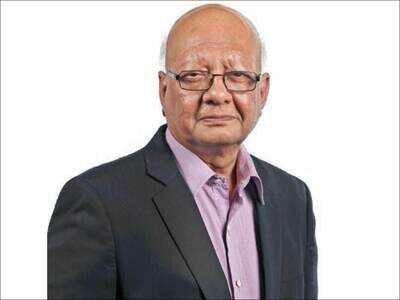
Amit Dasgupta
Students learn and grow by studying abroad, as most international universities ensure that they are built on the twin pillars of teaching and research, writes Amit Dasgupta
This is that time of year when students start deciding on their next course of study and opting for a perfect destination. It is an important decision and one that should not be taken lightly.
There are some great institutions of higher education in India.
What is likely to happen is that the quality of education would be adversely impacted. This will augur ill for our developmental and economic growth aspirations. The government recognises this and is focussing on urgent education reforms. However, this is not likely to happen overnight.

There are several inadequacies that characterise the Indian higher education sector. None, for instance, are within the Top 100 in the QS rankings and this in itself would pressure students to look outside India.
Further, it is critically stymied through a pedagogy and curriculum that is obsolete. The extreme pressure on teaching rarely allows faculty to be trained in new methodology. Costs prevent the acquisition of new equipment in laboratories. Research, similarly, is not an integral part of a university's DNA. On the other hand, most international universities ensure that they are built on the twin pillars of teaching and research.
The world-class international universities also take great pride in the fact that they are truly international. The multicultural environ immediately impacts the learning experience and makes students global in their outlook and behaviour. There is no substitute for this.
Career counselling and employability are yet another area in which Indian institutions lag far behind their foreign counterparts. Our curriculum, for instance, is not based on interactions with those who would finally end up hiring our students. On the other hand, the internationally-ranked foreign education providers constantly engage with business and industry and government to understand what the future requirements would be.
After all, when a student joins university, no one knows precisely what job the student would end up doing four years later, since the job itself is yet to be created. Words like app, artificial intelligence, machine learning, big data analytics, quantum computing, etc are recent additions not only to our vocabulary but also to the requirements of the new work force. The job market and the demands on employees are rapidly changing and it is incumbent on education providers to not only anticipate this change but to prepare the students accordingly. This is a significant distinguishing characteristic of a great university.
India has a long way to go in thoroughly rewiring its education system. Till then, those who can afford a higher education abroad are likely to choose that option. Many would be the better for it.
(The author is a former Indian diplomat and India country director, University of New South Wales, Sydney)
This is that time of year when students start deciding on their next course of study and opting for a perfect destination. It is an important decision and one that should not be taken lightly.
There are some great institutions of higher education in India.
Unfortunately, the significant demand-supply mismatch is making admissions difficult. According to government of India estimates, if India were to meet its Gross Enrolment Ratio (GER) of 30% by 2020, around 14 million new students would not get admission into any higher education institution (HEI) unless India were to create 1000 new universities, 40,000 new polytechnics and one million new faculty members to absorb these additional students. This is a monumental challenge.
What is likely to happen is that the quality of education would be adversely impacted. This will augur ill for our developmental and economic growth aspirations. The government recognises this and is focussing on urgent education reforms. However, this is not likely to happen overnight.
Till it happens, students are likely to increasingly opt for higher education abroad, especially if they can afford the cost of such education.
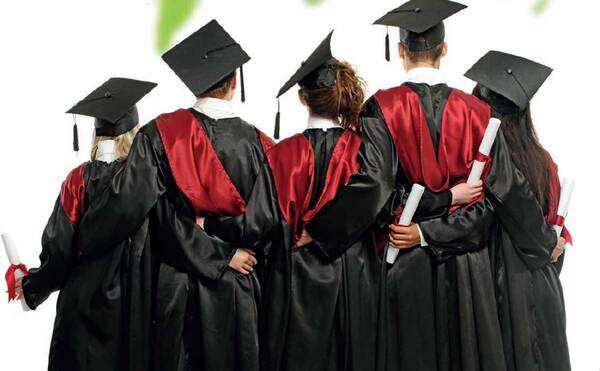
There are several inadequacies that characterise the Indian higher education sector. None, for instance, are within the Top 100 in the QS rankings and this in itself would pressure students to look outside India.
Further, it is critically stymied through a pedagogy and curriculum that is obsolete. The extreme pressure on teaching rarely allows faculty to be trained in new methodology. Costs prevent the acquisition of new equipment in laboratories. Research, similarly, is not an integral part of a university's DNA. On the other hand, most international universities ensure that they are built on the twin pillars of teaching and research.
The world-class international universities also take great pride in the fact that they are truly international. The multicultural environ immediately impacts the learning experience and makes students global in their outlook and behaviour. There is no substitute for this.
Career counselling and employability are yet another area in which Indian institutions lag far behind their foreign counterparts. Our curriculum, for instance, is not based on interactions with those who would finally end up hiring our students. On the other hand, the internationally-ranked foreign education providers constantly engage with business and industry and government to understand what the future requirements would be.
After all, when a student joins university, no one knows precisely what job the student would end up doing four years later, since the job itself is yet to be created. Words like app, artificial intelligence, machine learning, big data analytics, quantum computing, etc are recent additions not only to our vocabulary but also to the requirements of the new work force. The job market and the demands on employees are rapidly changing and it is incumbent on education providers to not only anticipate this change but to prepare the students accordingly. This is a significant distinguishing characteristic of a great university.
India has a long way to go in thoroughly rewiring its education system. Till then, those who can afford a higher education abroad are likely to choose that option. Many would be the better for it.
(The author is a former Indian diplomat and India country director, University of New South Wales, Sydney)
End of Article
FOLLOW US ON SOCIAL MEDIA









Hot Picks
TOP TRENDING
Trending Stories
In Section
Entire Website
- Malaika Arora's father Anil Arora dies by suicide in Mumbai
- 7 Key Reasons Why UPSC is the Toughest Exam in India
- 9/11 Remembrance Day: Key moments from the deadliest attack on US
- Howard University: 10 landmark firsts of the institution that shaped Kamala Harris
- Earthquake of magnitude 5.8 strikes Pakistan, tremors felt in Delhi, neighbouring areas
- Who were Barack Obama's challengers in 2008 and 2012 US presidential elections?
- 'A in INDIA alliance': Rahul Gandhi's slip-up during address to Indian-Americans goes viral
- Trump vs Harris: Betting markets reveal who’s expected to win the US presidential debate
- IGNOU December 2024 Term-End Exam: Registration Details, Important Dates, and Fee Structure
- Top 10 TED Talks to Boost Confidence and Success for Female Students
- Ayushman Bharat health insurance scheme to be expanded to cover elderly above 70
- Mosque row: Himachal tense as protesters clash with police
- Why growing lure of protein supplements is worrying health experts
- Impasse continues as Kolkata docs list new demands for Mamata
- Omar alleges BJP conspiracy over Rashid's release from Tihar jail
- 'Anti-national statements': Shah targets Rahul over remarks on quota
- iPhone success shows India can beat China to become world's factory
- iPhone 16 series launched: Complete features, price and how to pre-order
- Two terrorists killed by security forces in J&K's Udhampur
- The untold story of Ganguly’s Test debut

Popular Categories
Hot on the Web
Top Trends
Trending Topics
Deepika PadukoneMalaika Arora Father DeathArbaaz KhanJayram RaviAishwarya Rai BachchanSlat WaterWeight GainGOAT CollectionVikas Sethi DeathMalayalam ProducersIndia's Best Dancer 4Simi GarewalDilli BabuIndian National ParksLaung BenefitsVikas SethiiPhone 16Dubai Princess Sheikha MahraMG Windsor EvWordle Answer
Living and entertainment
Latest News
Manju Warrier expresses gratitude for birthday wishes: "Forever humbled and grateful"6,0,6,6,6 - Smashing Kieron Pollard rolls back the clock in Caribbean Premier League - WatchJiiva and wife escape with minor injuries after a road accidentWhy Banyan trees survive for centuries and spread indefinitely?Afghanistan vs New Zealand: Why is Greater Noida stadium hosting a Test match?Shilpa Shetty and Raj Kundra spotted at the Siddhivinayak Temple; video insideNBA 2K25 locker codes September 2024: Locker codes revealed and know how to reveal themDonald Trump and Kamala Harris shake hands as they meet for first time on debate stage: Watch the 'awkward' momentBRS pushes for disqualification of turncoat MLAs after High Court rulingPrince William’s commitment to a lasting marriage with KateVarun Dhawan shares unfiltered reaction to Janhvi Kapoor's 'Daavudi' song from 'Devara: Part 1': 'So freaking good...'When Jaya Bachchan revealed she had a huge crush on Dharmendra, called him a 'Greek God' in front of Hema MaliniJr NTR starrer 'Devara: Part 1' completes censorship formalities; receives UA certificate'Trump should not be telling a woman what to do with her body', says Kamala Harris on abortion rights during US presidential debateJalen Ramsey demands action against Miami Police following Tyreek Hill's pulled from carArbaaz Khan spotted outside Malaika Arora's house along with police after the tragic news of her father's demise by alleged suicide - WATCH VIDEOShivaji statue collapse: Sculptor’s custody extended till September 13Vijay Sethupathi and Trisha starrer '96' to have a sequel, reveals Prem Kumar
Copyright © 2024 Bennett, Coleman & Co. Ltd. All rights reserved. For reprint rights: Times Syndication Service