
5 ancient beauty secrets so strange, you won’t believe they actually worked

Ancient skincare secrets that shockingly worked
Long before the glass skin trend rose with serums and toners, ancient civilisations heavily relied on home remedies, which might sound bizarre to some, but shockingly, they worked. Different from today’s beauty standards, these unusual rituals revolved around natural ingredients that are still used today, but in a very different way. Let’s take a look at some.
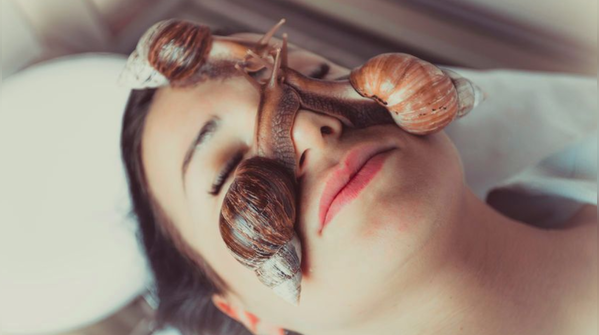
Snail slime facials
Yes, snail mucus has indeed been applied for centuries, which is now a global trend. But what we use comes in the form of a serum, which is very different from the ancient world. In early times, women used to allow the snails to actually crawl all over their faces. The mucus contains peptides, antioxidants, and hyaluronic acid, which repair the skin barrier, provide intense hydration, and also contain anti-ageing benefits.
(Image Credits: Pinterest)
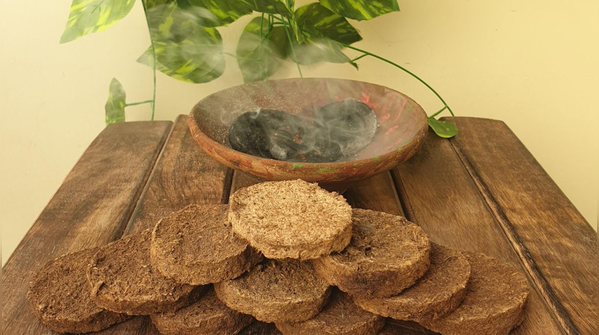
Animal residues applied to the body and face
Ancient beauty wasn’t always glamorous, as in some cultures, many animal-derived ingredients, including excrement, were also incorporated into the skincare routine. From crocodile and cow dung to goat and camel milk, they were used for nourishment and exfoliation. The main ingredients derived from animals, which are mostly used today, are honey and milk, thankfully.
(Image Credits: Pinterest)
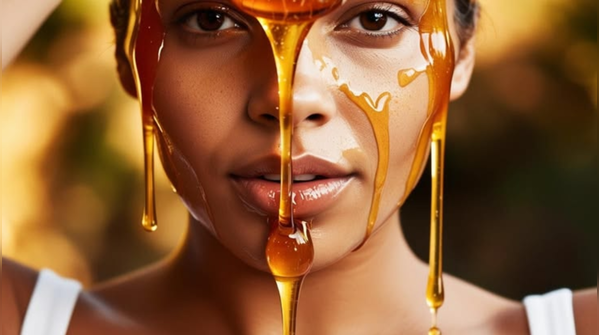
Honey as a natural cleanser
This has to be one of the least strange picks out of the lot. Honey, which has been used for over 15,000 years, was directly applied to the face and was known for its moisturising, healing, and antibacterial properties. It gave calmer, clearer, and hydrated skin. But ancient cultures also used to apply honey on wounds, which sometimes looked impossible to wipe away because of its stickiness, causing a bit more pain. But thanks to its antimicrobial properties, it is used to heal wounds like no other.
(Image Credits: Pinterest)
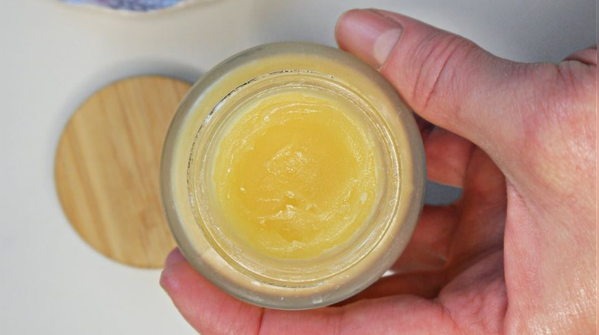
Sheep sweat as a moisturiser
The Roman people used lanolin, which was derived from sheep’s wool, and used it as a night moisturiser. Lanolin improved the skin barrier and provided deep moisturisation with supple, protected, and soft skin. The smell wasn’t exactly pleasant, but it helped lock in the moisture and protect the skin barrier like no other. Lanolin is still used in lip balms and heavy-duty moisturisers.
(Image Credits: Pinterest)
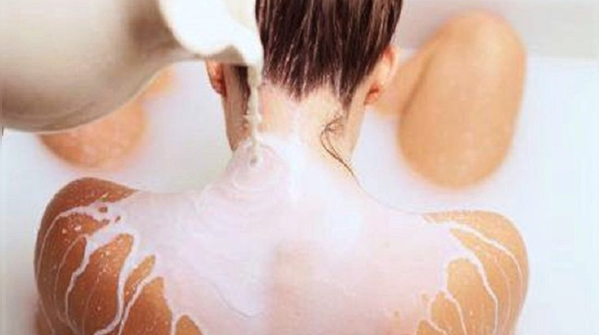
Milk bath for soft and glowing skin
We all have heard about Egyptian Queen Cleopatra’s bathing routine, where she used to take a dip in fresh milk instead of water, which kept her skin smooth, supple, and glowing. Milk contains lactic acid, which is a natural exfoliant and removes dead skin cells. It reveals fresher skin underneath and blesses you with a radiant glow over time.
(Image Credits: Pinterest)
Featured In lifestyle

MORE FROM ETIMES
life & style