
Is Aalta only for brides? Why Vijay Deverakonda’s wedding aalta look redefined a tradition long associated with women
The tradition, symbolism, and Vijay Deverakonda’s effect
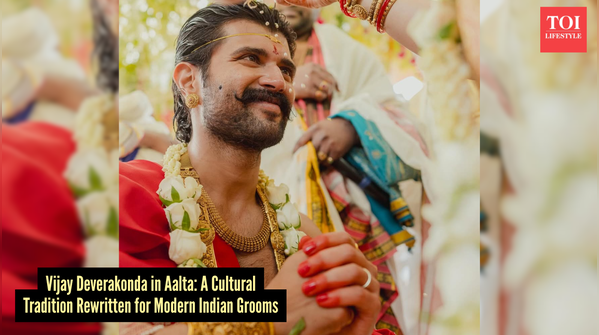
When Vijay Deverakonda and Rashmika Mandanna stepped towards their ‘forever’, the first thing we saw was the groom adorning alta on his feet and hands. This wasn’t just another beauty moment, but it was a cultural headline in itself. For centuries, alta has always been associated with femininity and bridal beauty. However, when this leading Telugu star embraced aalta as a groom, it raised a broader question: What is the difference between men wearing aalta and women wearing aalta?
What is an alta?
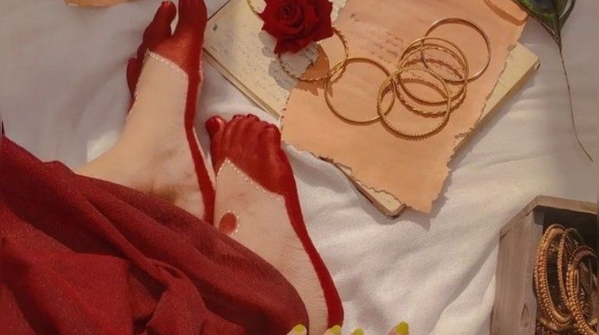
Aalta is a red liquid dye traditionally applied to the hands and feet in India, commonly worn by Bengali, Odia, South, and North Indian brides. It is a symbol of shringar, representing fertility, auspicious beginnings, prosperity, and the overall presence of divine femininity linked to Goddess Lakshmi. But, if you think that men do not adorn this, then you’re highly mistaken.
(Image Credits: Pinterest)
Men wearing alta: Rare and now reimagined
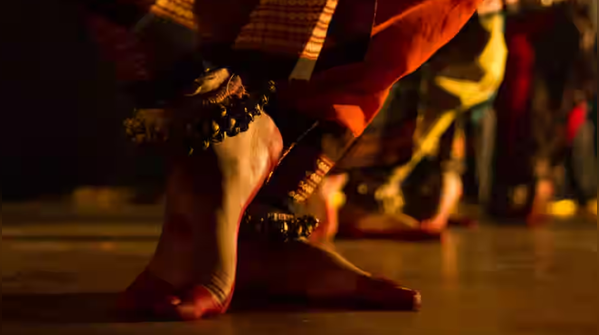
Men wearing alta at weddings is very uncommon and not a mainstream practice in the 21st century. But, during ancient times, kings, princes, and grooms used to wear aalta as a ceremonial marking. The purpose is visual clarity, signalling cultural pride, evolving masculinity, and challenging the gender-coded rituals. Vijay Deverakonda wearing this becomes less of a tradition but more about the reinterpretation of heritage and gender boundaries.
(Image Credits: Pinterest)
Women wearing alta, meaning
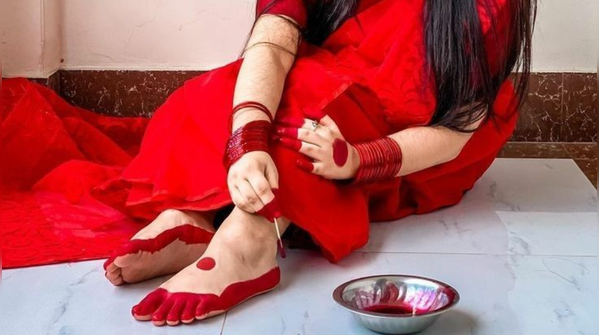
For women, alta has a deep-rooted symbolism. It is a sign of marriage and prosperity and is worn for good fortune and abundance. A part of a bride’s shringar, it is more than just aesthetics. In regions like Odisha and Bengal, brides are expected to wear alta every day after their wedding, just like a mangalsutra in North India. It is a tradition that is admired, ritualised, and even photographed by many.
(Image Credits: Pinterest)
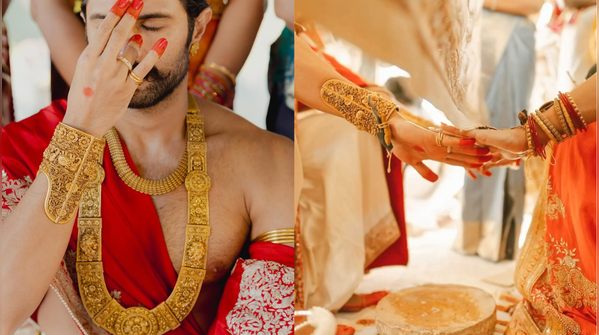
Why does Vijay Deverakonda’s alta moment matter?
Vijay Deverakonda’s alta moment is not just for aesthetic reasons or obsession over curated perfection, but it is about a groom embracing the traditional bridal adornments, which reflects equal participation in ritual aesthetics. It talks about the fluid interpretations of masculinity and moves away from the hyper-masculine groom styling, which is utterly common. This change subtly states that adornment isn’t about gender and that tradition can always be evolved.
(Image Credits: Instagram)
Featured In lifestyle

