Trending
This story is from October 11, 2023
'Frankenstein': A timeless tale of science, morality, and monstrosity
Mary Shelley's novel "Frankenstein" explores themes of power, revenge, and the consequences of unchecked scientific ambition. The line "Beware; for I am fearless, and therefore powerful" is spoken by the creature created by Dr. Frankenstein, reflecting his transformation and newfound resolve. The characters in the book, such as Dr. Frankenstein, the creature, Captain Walton, Elizabeth Lavenza, and Henry Clerval, embody various lessons and themes. The novel is memorable for its exploration of ethical dilemmas, themes of isolation and alienation, influence on science fiction, and Mary Shelley's pioneering role as a female author.
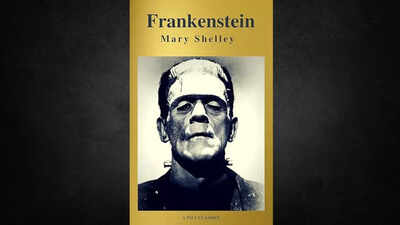
Source: Amazon.in
Meaning behind these lines-
The line "Beware; for I am fearless, and therefore powerful" from Mary Shelley's novel "Frankenstein" is spoken by the creature created by Dr. Frankenstein. The creature has endured rejection, isolation, and suffering due to his monstrous appearance and the prejudice he faces from society.

What can we learn from the popular characters of this book-
Dr. Victor Frankenstein: Victor's character embodies the dangers of unchecked ambition and scientific hubris. His relentless pursuit of knowledge and the creation of life ultimately lead to tragedy. His story serves as a cautionary tale about the ethical and moral responsibilities that come with scientific discovery.
The Creature (Frankenstein's Monster): The creature's character demonstrates the consequences of societal prejudice and rejection. He is a tragic figure who, despite his initial innocence and curiosity, becomes a vengeful and destructive force due to the isolation and mistreatment he faces. His character highlights the importance of empathy, compassion, and the consequences of societal neglect.
Captain Robert Walton: Captain Walton's character symbolizes the pursuit of knowledge and discovery. His ambition to reach the North Pole is a parallel to Victor Frankenstein's quest for scientific knowledge. Walton's letters to his sister provide a framing narrative for the story and emphasize the potential dangers of unchecked ambition.
Elizabeth Lavenza: Elizabeth's character embodies the themes of innocence and vulnerability. Her tragic fate illustrates how the actions of others can have far-reaching consequences. Her character underscores the importance of protecting the vulnerable and the innocent in society.
Henry Clerval: Henry's character represents the nurturing and compassionate side of humanity. His friendship with Victor serves as a contrast to Victor's isolation and obsession. Henry's character highlights the importance of supportive relationships and the need for balance in one's life.
What makes it a memorable book-
1.Exploration of Ethical and Moral Dilemmas: The novel delves into complex ethical and moral questions surrounding scientific experimentation, the consequences of playing God, and the responsibilities that come with knowledge and power. These themes continue to be relevant and thought-provoking for readers of all generations.
2.Themes of Isolation and Alienation: The novel highlights the profound impact of social isolation, prejudice, and loneliness on human behavior. It sheds light on the consequences of society's rejection and mistreatment of individuals who are perceived as different.
3.Influence on Science Fiction: "Frankenstein" is often considered one of the earliest works of science fiction. It laid the groundwork for the genre by exploring the potential dangers and ethical dilemmas associated with scientific discovery and experimentation.
4.Pioneering Female Authorship: Mary Shelley's creation of "Frankenstein" at a young age and her role as a pioneering female author in the early 19th century have contributed to the book's legacy. Her success helped pave the way for women writers and remains an inspiration.
Disclaimer: The Times of India editorial team has taken inputs from AI for research purposes to create this article.
End of Article
FOLLOW US ON SOCIAL MEDIA






Photostories
Featured In Lifestyle

Popular Categories
Entertainment NewsBollywood NewsTollywood NewsKollywood NewsMollywood NewsMovie ReviewsLatest Hindi MoviesLatest Tamil MoviesMX PlayerParenting TipsHome RemediesWeight LossBeauty TipsParenting TipsHindi VideosHindi Video SongsBhojpuri Music VideosLatest Telugu MoviesBhojpuri Music VideoHindi TV News
Trending in Entertainment
Latest MoviesBollywood MoviesHollywood MoviesTamil Movies 2024Telugu Movies 2024Malayalam Movies 2024Kannada Movies 2024Marathi Movies 2024Bengali Movies 2024Top Rated Movies 2024Best Hindi MoviesBest English MoviesBest Telugu MoviesBest Tamil MoviesBest Malayalam MoviesBest Kannada MoviesBest Bengali MoviesUpcoming Hindi MoviesBest Movies Of All TimeBest Hindi Movies of All Time
Trending in Etimes
Horoscope TodayNumerology Predictions TodayAustria ElectionJoe BidenKamala HarrisPopulated Indian CitiesAlcohol Cancer RiskIsrael Beirut WarSunita WilliamsIsrael Hezbollah WarNepal FloodBarbra StreisandSnoring Prevention TipsDonald TrumpMagnesium DeficiencyRelationship TipsLake Michigan DiscoveryElon MuskEkadashi in October 2024
Trending in TV
Trending in Lifestyle
Trending in Regional
Movie Reviews
Binny And Family ReviewLove, Sitara ReviewWill & Harper ReviewWolfs ReviewYudhra ReviewJo Tera Hai Woh Mera Hai ReviewKahan Shuru Kahan Khatam ReviewHis Three Daughters ReviewNever Let Go ReviewDancing Village: The Curse Begins ReviewTransformers One ReviewFirst Love ReviewBerlin ReviewThe Buckingham Murders Review
Upcoming Hindi Movies
Upcoming Regional Movies
Latest News
Gunther finally accepts Sami Zayn’s challenge for the World Championship on WWE RAWCGPSC SSE Mains 2023 result declared: Check direct link hereMan orders iPhone with CoD option on Flipkart, kills delivery agentWhen Rishi Kapoor slammed Deepika Padukone and Sonam Kapoor for making immature remarks about Ranbir KapoorShark Tank India 4: Sharks begin shooting for the new season; Sahiba Bali and Ashish Solanki join as new hostsFestivals in October 2024: From Navratri, Dussehra to Diwali, check complete list hereShannon Sharpe compares Patrick Mahomes' current situation to Tom Brady's past as Chiefs adjust to roster changesIndia's factory growth cooled to eight-month low in September, PMI showsUCEED 2025 registration begins at uceed.iitb.ac.in, direct link to apply here: Check detailed admission scheduleReport: By 2035, EVs Expected to Use 6% to 8.7% of India's ElectricityKolkata hospital rape-murder: West Bengal junior doctors resume 'total cease work'Vijay's 'GOAT' gets an OTT release; official date announced!Haryana polls: Brick thrown at car in Dushyant Chautala's convoy in Jind; case filedMumbai vs Rest Of India: Irani Cup tie offers chance for hopefuls and rejects to impress selectorsCSK to connect with MS Dhoni in 'coming week', undecided on using IPL uncapped player ruleHow to use charcoal powder to whiten teethA night-long musical extravaganza, ‘Raat Pohalo Sharodo Praate’ to usher Devipokkho with unforgettable melodiesOlivia Culpo and Christian McCaffrey buy George Clooney's mansion for $14.5 million
Other Group Sites -
ETimes is an Entertainment, TV & Lifestyle industrys promotional website and carries advertorials and native advertising.