
Louvre Heist to Diljit Dosanjh’s Met Gala necklace: Five jewellery moments that quietly defined the year
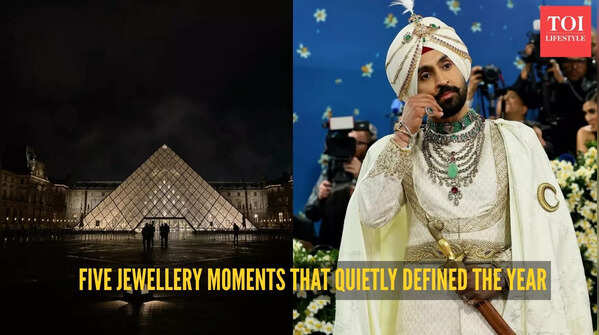
Trends that saw rise
None of these arrived as a movement. It showed up in habits. In gestures. In the things people reached for without thinking. Jewellery, this year, wasn’t about wealth or display. It became a language — of reassurance, of belonging, of wanting to feel something solid in a world that keeps slipping. And maybe that’s why, when something catches the light now, people still pause. Not to admire it. But to see what part of themselves it quietly reflects back.
(Image Credits: Pinterest)
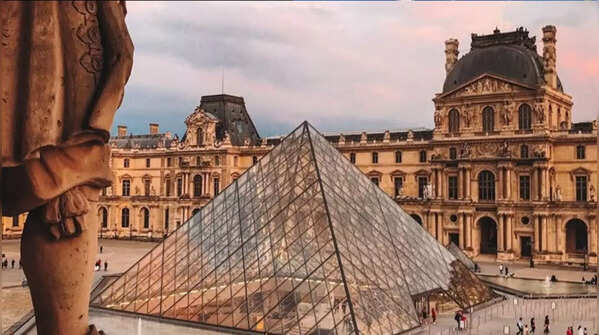
Eight minutes of something real
It began the way many things do now — not with a headline, but with a half-whisper over lunch. A Cyber Hub café, too loud and somehow still intimate. Someone leaned in and said, almost reverently, “Eight minutes.” Another glanced at their smartwatch, as if measuring whether that kind of audacity still fit inside time. Eight minutes was all it took for thieves to walk into the Louvre and walk out with jewels worth millions. What lingered wasn’t fear or outrage. It was something softer. A quiet thrill. In a year where life feels endlessly buffered and filtered, the idea of something physical — glass shattering, bodies moving, weight being carried — felt grounding. Real. Later, the link was shared again. No caption. Just a wide-eyed emoji. The kind that means: Did you feel that too?
(Image Credits: Pinterest)
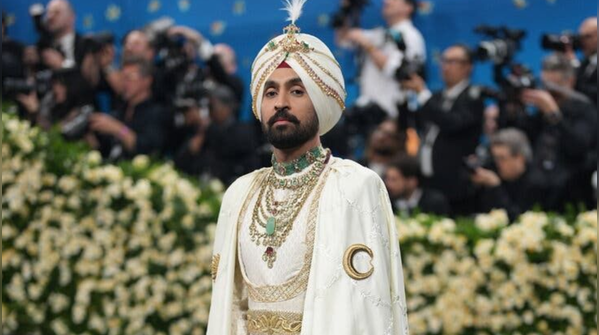
Who gets to wear history
When Diljit Dosanjh walked the Met Gala carpet, the conversation wasn’t about tailoring. It was about absence. The Patiala necklace — real, historic, heavy with inheritance — remained behind museum glass. A recreation stood in its place. The moment didn’t explode. It settled. Somewhere, someone paused on a reel of him adjusting his turban, “Born to Shine” drifting faintly from an auto passing below. Pride surfaced first. Then something sharper — the familiar discomfort of needing permission to touch what already belongs to you. Even those who’ve never owned a piece of heirloom jewellery felt it. That quiet, collective recognition of cultural access being negotiated in public.
(Image Credits: Pinterest)
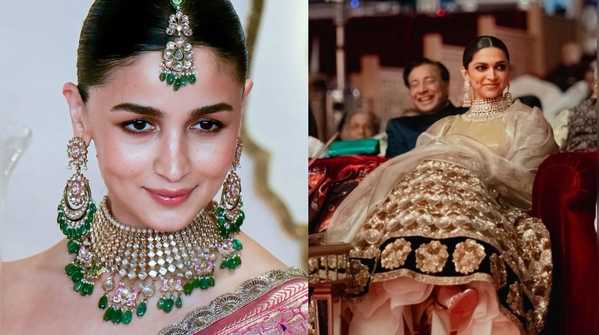
When excess stopped apologising
By the time Indian wedding season unfolded, jewellery had stopped pretending to be discreet. It wasn’t just grand — it was declarative. Emeralds that didn’t whisper. Diamonds that refused to blend in. There was no attempt to soften the spectacle for global comfort. It didn’t ask to be relatable. It simply existed, assured in its abundance. Across living rooms, people watched with a complicated stillness. Not envy, exactly. Something closer to acknowledgement. A recognition that this, too, was storytelling — about lineage, faith, continuity, and the kind of confidence that doesn’t seek translation. For some, it felt excessive. For others, strangely grounding. In an era obsessed with restraint and quiet luxury, the wedding reminded people that excess, when owned without irony, can also be a form of truth.
(Image Credits: Pinterest)
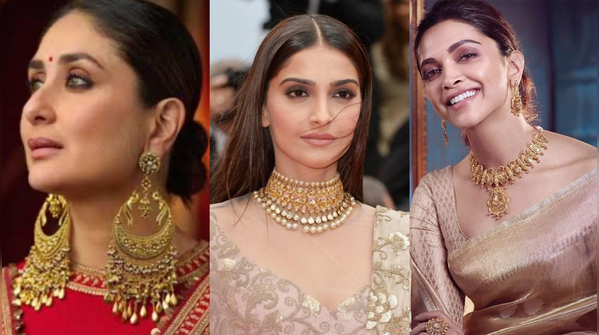
Gold, lightened
Not all shifts arrived with grandeur. Some came with receipts. As gold prices climbed, 22k quietly stepped aside. In came 9k and 14k — lighter, wearable, forgiving. Jewellery that didn’t wait for weddings or inheritance rituals. At a Bandra pop-up, a card machine beeped. A ring slipped onto a finger. No box. No ceremony. No future being saved for. There was something tender in that choice. A small refusal to postpone pleasure. A decision to live now, even if only in glints.
(Image Credits: Pinterest)
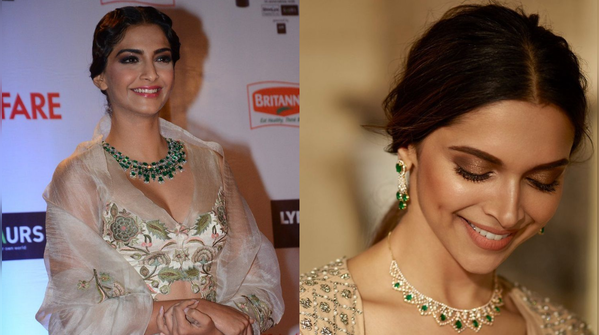
When men let themselves shine
Somewhere between reels and receptions, men began wearing brooches again. It started loudly — emeralds, panthers, drama — and then filtered down. Into banquet halls. Into borrowed sherwanis. Into rooms where joy is usually rehearsed. There was a groom in Dwarka, adjusting a faux-diamond tiger on his chest, smiling with the kind of ease that comes from permission finally granted. It wasn’t about gender. It was about expression finally exhaling.
(Image Credits: Pinterest)
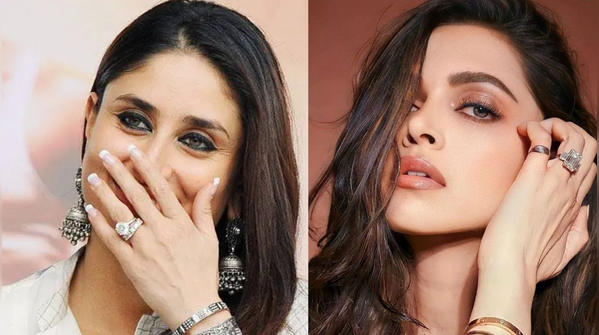
The ring that watches back
By the end of the year, the most intimate jewellery wasn’t symbolic at all. Smart rings glowed softly in dark workout studios, quietly tracking sleep, stress, readiness. Bodies translated into data. Intuition double-checked by metrics. People paused before replying to messages, checking their scores first. Asking not how they felt — but whether they were allowed to feel. There was something tender in that dependence. And something unsettling too.
(Image Credits: Pinterest)
Featured In lifestyle

