
10 iconic foods you must try in Amritsar at least once
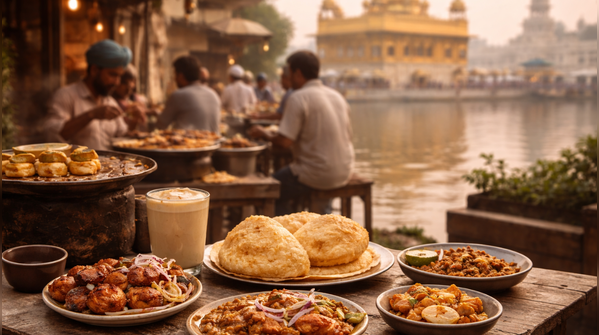
10 foods you cant miss in Amritsar
Amritsar does not just feed you. It greets you, overwhelms you, and then insists you come back for one more bite. This is a city where food is woven into daily life with rare generosity, from the first cup of chai at sunrise to the last spoonful of something sweet after sunset. The flavours are bold, earthy, smoky, buttery, and deeply comforting, often served without fuss but never without pride. Walk through its busy lanes and you will find a culinary culture that feels both sacred and indulgent at once. Here are 10 foods you can’t miss in Amritsar.
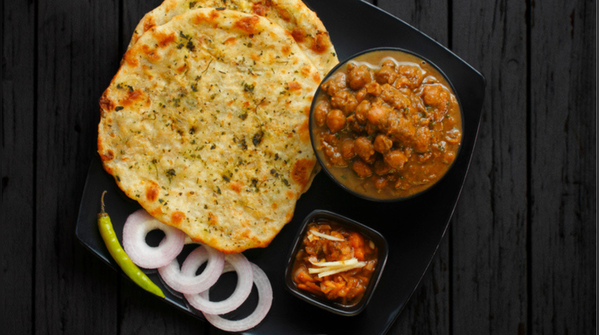
Kulcha
Amritsar’s famous kulcha is not just bread; it is a full meal with attitude. Crisp on the outside, soft inside, and generously stuffed with spiced potato, paneer, or onion, it is traditionally baked in a hot tandoor until the edges blister beautifully. Served with chole, chutney, and a knob of butter, it is the kind of breakfast that stays with you long after the plate is empty.
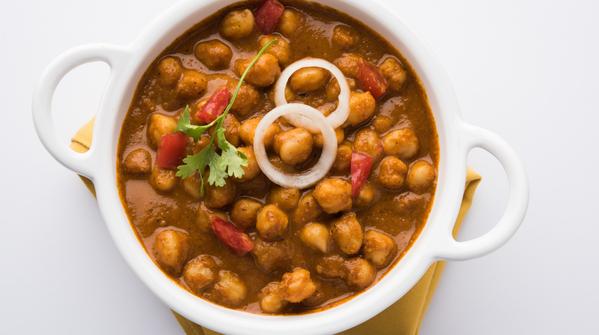
Chole
No Amritsari food trail feels complete without chole. The city’s version is darker, richer, and more intensely spiced than the usual fare, with a tang that comes from slow cooking and careful seasoning. It is the perfect partner to kulcha, but it can hold its own just as easily, whether eaten at a roadside stall or a legendary local dhaba.
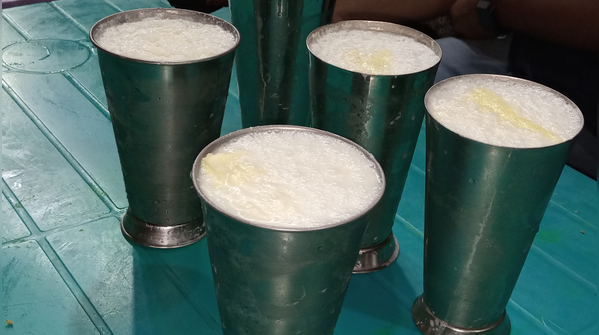
Lassi
Thick, frothy, and often served in a tall earthen glass, Amritsar’s lassi is both a drink and a dessert. It arrives cool and creamy, sometimes crowned with a layer of malai so rich it almost feels ceremonial. After a heavy meal, or even before one, this is the city’s answer to almost everything.
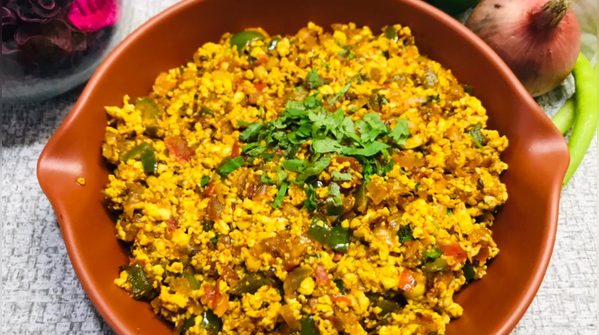
Paneer bhurji
In Amritsar, paneer bhurji is not treated like a backup dish. It is cooked with onions, tomatoes, green chillies, and spices until it turns crumbly, fragrant, and just oily enough to feel indulgent. Scooped up with hot tawa roti or stuffed into a bun, it makes a simple meal taste far more memorable than it has any right to.
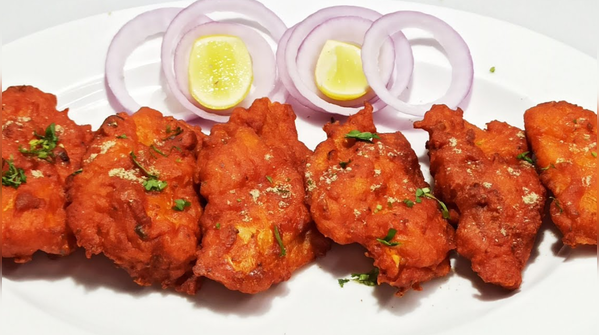
Amritsari fish
Golden, crisp, and unmistakably Punjabi, Amritsari fish is one of the city’s most beloved street foods. Usually made with a marinated fillet coated in gram flour and deep-fried until crunchy, it carries a sharp hit of spices and a satisfying depth of flavour. A squeeze of lemon over the top is usually all it needs.
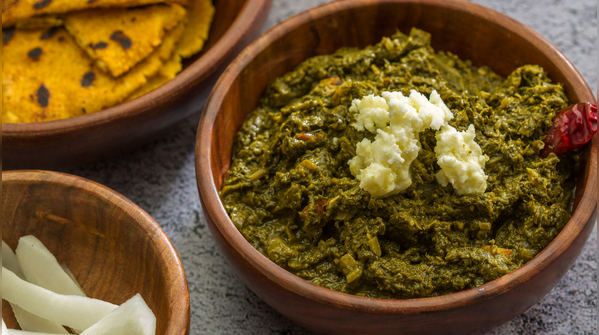
Sarson da saag
This winter classic is one of the most comforting dishes in Punjabi cooking. Made with mustard greens and other leafy vegetables slow-cooked into a thick, rustic mash, sarson da saag has a deep, slightly bitter flavour that pairs beautifully with makki di roti. In Amritsar, it is less a seasonal dish than a cultural moment.
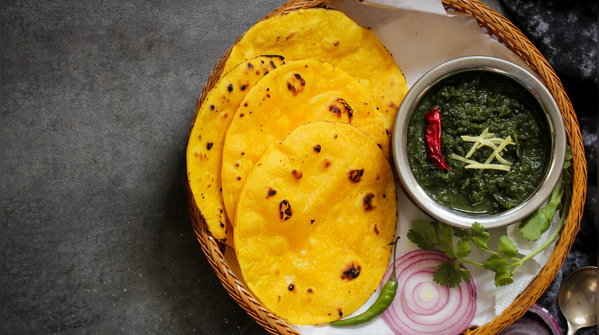
Makki di roti
This cornmeal flatbread is the natural companion to saag, but it deserves attention on its own. Slightly crumbly, warm, and earthy, makki di roti brings a home-style simplicity that balances the richness of the dish beside it. A little white butter melting over the top only makes it better.
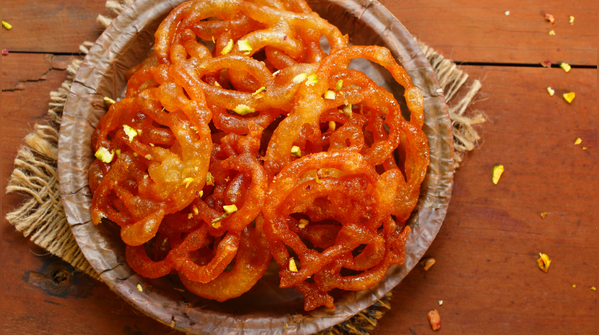
Jalebi
Amritsar knows how to end on a high note, and jalebi is proof. Spirals of batter are fried until crisp, then dipped in syrup so they emerge glossy, sticky, and gloriously sweet. Eaten hot, they offer that rare mix of crunch and syrupy softness that makes self-control feel entirely overrated.
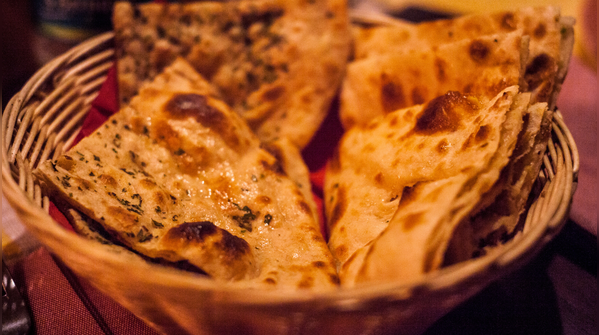
Naan and butter
Sometimes the simplest things leave the biggest impression. Fresh naan in Amritsar is often oversized, soft, and brushed with butter that melts instantly into the bread’s surface. Tearing into it while it is still warm is one of those small food pleasures that captures the city’s unapologetic love for richness.
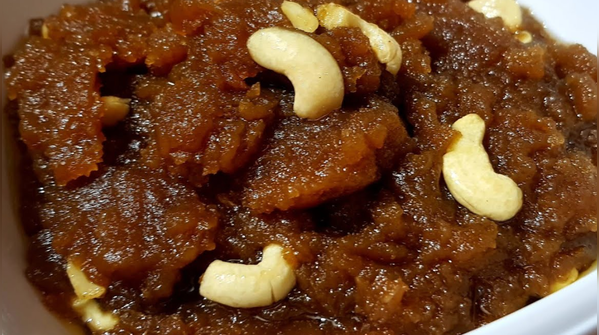
Gur ka halwa
For dessert lovers, gur ka halwa brings a deeper, more old-fashioned sweetness to the table. Made with jaggery, ghee, and flour or semolina, it has a warm, caramel-like flavour that feels rooted in tradition. It is the kind of sweet that tastes of winter evenings, family kitchens, and recipes passed down without ceremony.
Featured In Food

MORE FROM ETIMES
life & style