
5 tiny kitchen habits that may be increasing electricity bills quietly
5 tiny kitchen habits that may be increasing electricity bills quietly
The kitchen is usually where households notice waste in the most visible ways: half-eaten food, overfilled shelves, a dripping tap or a light left on by mistake. But some of the most expensive habits are harder to spot because they look harmless. They happen in the background, tucked into routines so ordinary that no one thinks twice about them. A kettle boiled too often, a fridge opened for too long, a half-used appliance left plugged in all day, each one seems small on its own. Together, they can quietly push electricity bills higher month after month. What makes kitchen energy waste so sneaky is that it rarely feels dramatic. There is no sudden spike or obvious mistake. Instead, the loss comes from repetition. A few extra minutes here, a little standby power there, and the numbers begin to add up. In homes where kitchens are busy from morning until night, these five habits can have a larger impact than many people realise.
Reboiling the kettle again and again
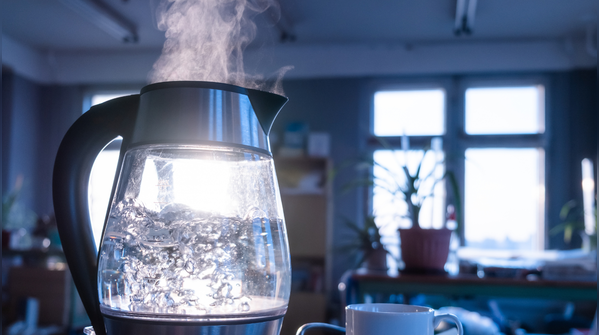
The electric kettle is one of the quickest and most convenient appliances in the kitchen, which is exactly why it is so easy to misuse. Many people fill it generously, boil more water than they need and then reboil the leftovers later. On a single day, that may not seem worth worrying about. But over weeks and months, repeated overfilling becomes wasteful.
Heating more water than necessary uses more electricity than a smaller, targeted boil. Reboiling water that has cooled also means the appliance is doing the same job twice. The habit is common because it feels efficient to make “extra” tea water or keep a kettle ready for later. In practice, it often does the opposite. Boiling only the amount needed is one of the simplest ways to trim a little waste from the kitchen without changing daily life much at all.
Leaving the fridge door open while deciding what to take out
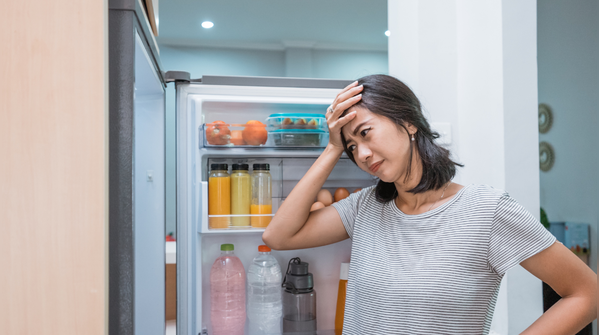
The refrigerator is designed to work constantly, but it works hardest when warm air keeps rushing in. One of the most common kitchen habits is standing in front of the open fridge, scanning shelves and deciding what to eat while the cold air spills out. It feels brief. It rarely is.
Every extra second the door stays open forces the appliance to pull temperatures back down again. That means more energy use, especially in hot weather or in homes where the fridge is opened frequently throughout the day. The same issue appears when someone leaves the door ajar while unpacking groceries or cleaning shelves. A fridge does not need panic-level care, but it does need discipline. Knowing what you want before opening it can save more energy than many people expect.
Keeping appliances plugged in when they are not in use
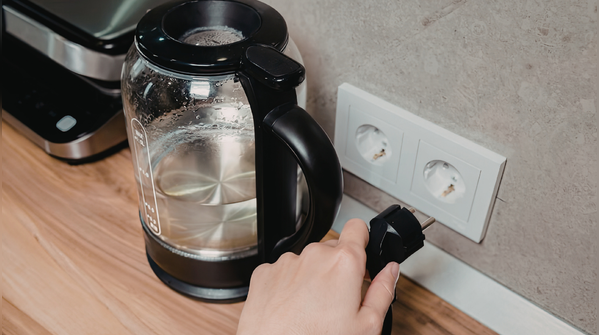
The kitchen is full of small machines that spend more time waiting than working. Mixer grinders, microwaves, sandwich makers, coffee machines, air fryers and toaster ovens often stay plugged in long after breakfast is over. Many of them draw a small amount of electricity even in standby mode. It is not a dramatic drain, which is why it is easy to ignore. Yet over time, that silent draw can become a steady source of unnecessary cost.
This habit is especially common in homes where convenience matters more than habit change. People plug things in once and leave them ready for the next use. The trouble is that “ready” often means “still consuming power.” Unplugging appliances when they are not being used, or switching off the socket where possible, is a small adjustment that can slowly make a difference.
Using the wrong-sized appliance for the job
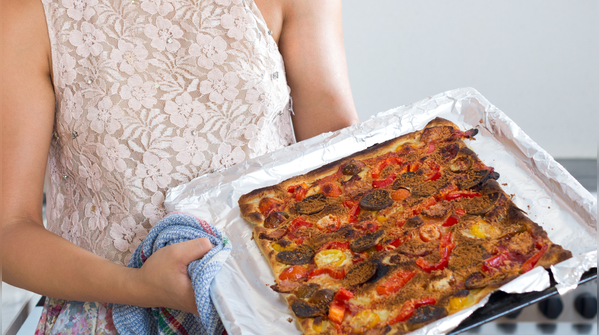
Not every cooking task needs the biggest machine in the kitchen. Yet many households reach instinctively for the oven, large mixer, electric cooktop or air fryer even when a smaller appliance would do the job more efficiently. Heating a full oven just to toast one sandwich or warm a small portion of food can waste a surprising amount of electricity. Larger appliances are built for scale, not for every tiny task.
The same applies to reheating. A microwave, stovetop pan or small toaster oven may use far less power than a full-sized oven for a quick job. The habit develops because bigger appliances feel more powerful and often more convenient. But convenience and efficiency are not always the same thing. Matching the appliance to the size of the task is one of the easiest ways to avoid hidden waste.
Ignoring residual heat and overcooking by habit
Many people cook with a kind of thermal overconfidence. They keep burners on a little longer than necessary, leave the oven running until the end of the timer and rarely take advantage of residual heat. But a lot of kitchen equipment continues cooking even after the power is reduced or switched off. Food often finishes perfectly well with a few minutes of carryover heat.
This matters because overcooking is not just about food quality. It also means the appliance is running longer than it needs to. In ovens, stovetops and some electric cookers, using the last few minutes of retained heat can lower electricity use without changing the result much at all. It takes a little practice, but once the habit is learned, it becomes second nature.
Featured In Food

