
6 idli varieties every food lover should try
6 idli varieties every food lover should try
Idli has a way of looking deceptively simple. A pale, soft, cloud-like cake on a plate does not announce itself loudly. Yet across South India, this modest dish carries generations of culinary memory, from temple kitchens to busy family breakfasts. Once you begin to explore it, idli reveals itself as one of South India’s most adaptable comfort foods, humble enough for breakfast, elegant enough for a special spread, and versatile enough to carry spice, vegetables, lentils and even leftovers with ease. Here are six idli varieties every food lover should try, along with a simple way to make each one at home.
Classic idli
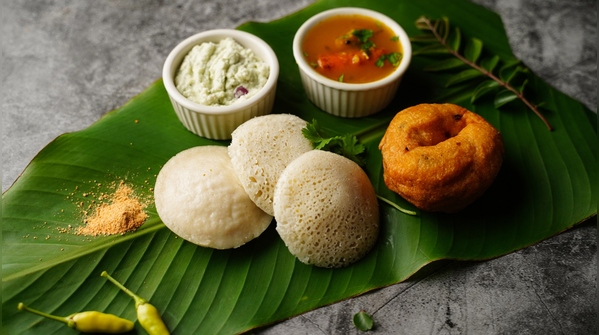
The original still earns its place at the top. Classic idlis are airy, mild and deeply satisfying, especially when the batter is fermented just right. To make them, soak rice and urad dal separately, grind them to a smooth batter, mix with salt and allow it to ferment overnight until slightly risen and fragrant. Grease idli moulds lightly, pour in the batter and steam for about 10 to 12 minutes until soft and springy. Serve hot with coconut chutney and sambar, because the beauty of a plain idli is how gracefully it carries the flavours around it.
Rava idli
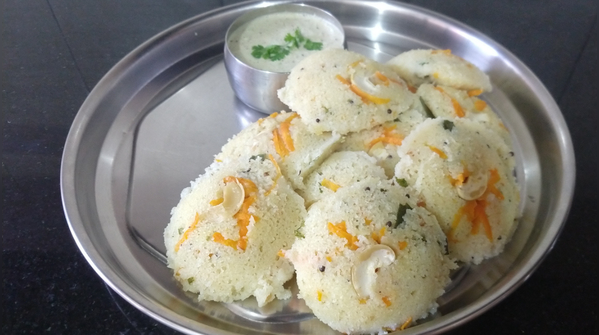
Rava idli came from ingenuity, and that is part of its charm. It is lighter, quicker and ideal for days when you do not have fermented batter ready. To make it, roast semolina lightly in a little ghee, then mix it with curd, chopped coriander, grated carrot, green chillies, curry leaves and enough water to make a thick batter. Add a pinch of fruit salt or baking soda just before steaming so the idlis rise well. Steam immediately in greased moulds, and you will get a grainy, fragrant, soft idli with a slightly nutty bite.
Kanchipuram idli
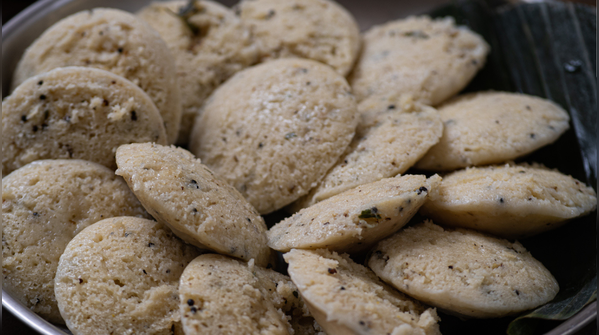
This is idli with ceremony. Kanchipuram idli is bolder, spiced and often steamed with black pepper, cumin, ginger and a hint of asafoetida, giving it a flavour that feels almost festive. To make it, prepare regular idli batter, then temper mustard seeds, cumin, pepper, curry leaves, ginger and dried red chillies in ghee, and fold that into the batter. Pour it into a greased dish or moulds and steam until firm. The result is not the softest idli on the table, but it may be the most memorable, especially with a dab of ghee and chutney.
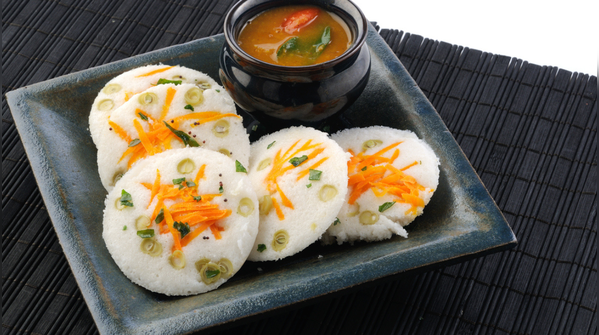
Vegetable idli
For families trying to make breakfast a little more nourishing, vegetable idli is the easiest kind of quiet upgrade. Finely grated carrot, beans, capsicum or even spinach can be folded into the batter, bringing both colour and texture. To make it, use either classic batter or rava batter, mix in finely chopped or grated vegetables, and season with a little pepper, cumin and coriander. Steam as usual. The vegetables should stay fresh-tasting and lightly sweet, so avoid overmixing or using pieces that are too large. It is a lovely way to make idli feel brighter and more complete.
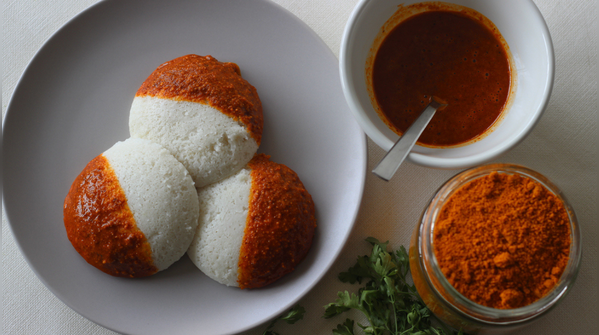
Podi idli
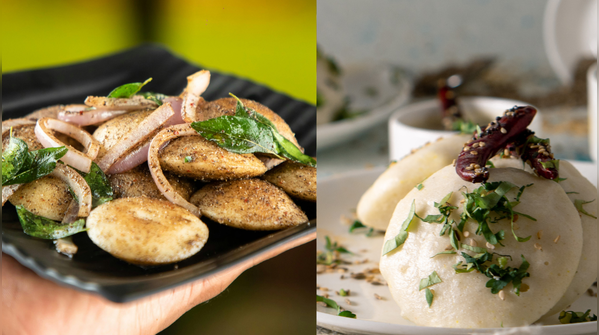
Podi idli is what happens when idli meets spice and decides not to be subtle. It is often made using leftover idlis, which are cut into pieces and tossed in ghee with idli podi, the coarse chutney powder made from roasted lentils, chillies and sesame seeds. To make it, steam idlis in the usual way, then cool them slightly and slice them into wedges or cubes. Heat ghee in a pan, add mustard seeds and curry leaves, then toss the idli pieces with podi until well coated. The outside becomes savoury and almost crisp, while the inside stays soft.
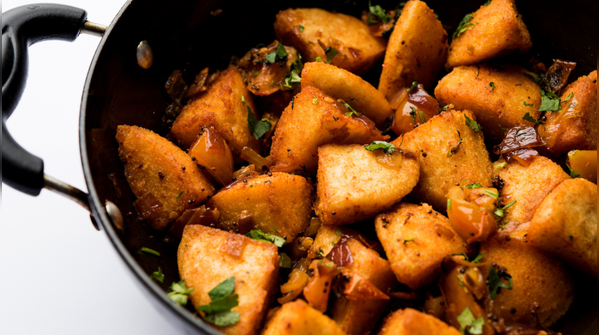
Fried idli
Fried idli is the dish that proves leftovers can become something more exciting than a second chance. It is especially popular in homes that refuse to waste a single idli from breakfast. To make it, take cooled idlis, cut them into cubes or strips and lightly pan-fry them in butter or oil until golden. Add onions, capsicum, curry leaves, turmeric and a little red chilli powder if you like heat. Finish with a squeeze of lemon and chopped coriander. The texture is the surprise here: crisp edges, soft centres and a satisfying savouriness that turns a modest leftover into a snack worth waiting for.
Featured In Food

MORE FROM ETIMES
life & style