
8 satvik foods to eat during Navratri for energy and balance

8 satvik foods to eat during Navratri for energy and balance
When the nine days of Navratri arrive, kitchens across India quietly shift rhythm. Spices grow milder, grains step aside, and meals begin to reflect the deeper intention of the festival, cleansing the body while sharpening the mind. Rooted in the principles of Satvik diet, the food eaten during this period is meant to be light, nourishing, and spiritually grounding. A satvik plate avoids onion, garlic, and heavy stimulants. Instead, it leans toward foods that are natural, seasonal, and easy to digest. The idea is simple: when the body feels lighter, the mind becomes calmer, making space for prayer, reflection, and discipline. Here are eight satvik foods that provide steady energy and balance during the nine days of fasting.
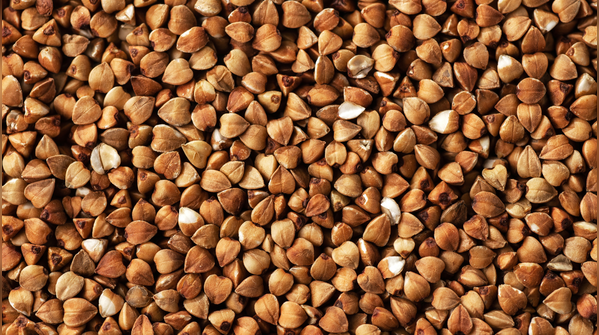
Buckwheat (kuttu)
Despite its name, buckwheat is not a wheat at all but a gluten-free seed that has long been used in fasting foods. Known in India as kuttu, it is rich in complex carbohydrates, fibre, and plant-based protein, making it an ideal ingredient for maintaining energy during long hours of fasting.
During Navratri, kuttu flour is commonly used to make crisp puris, soft rotis, or pakoras paired with yoghurt for flavour. Because it digests slowly, it keeps blood sugar levels stable and prevents sudden energy crashes, something many people struggle with while fasting.
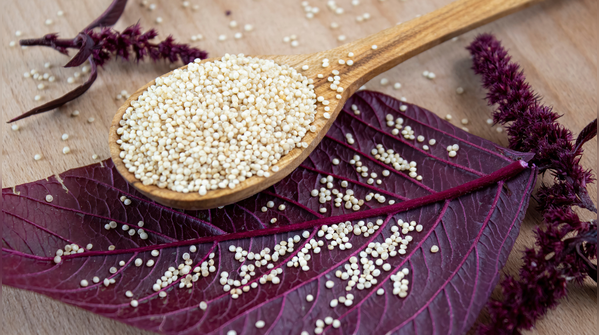
Amaranth (rajgira)
Tiny but nutritionally powerful, rajgira has been a fasting staple for centuries. This ancient grain is packed with protein, iron, calcium, and magnesium, nutrients that help sustain strength and prevent fatigue.
Rajgira flour can be turned into rotis, halwa, or crispy parathas, while puffed amaranth is often bound with jaggery to make laddoos or chikki. Its mild, nutty flavor pairs well with both sweet and savoury preparations.
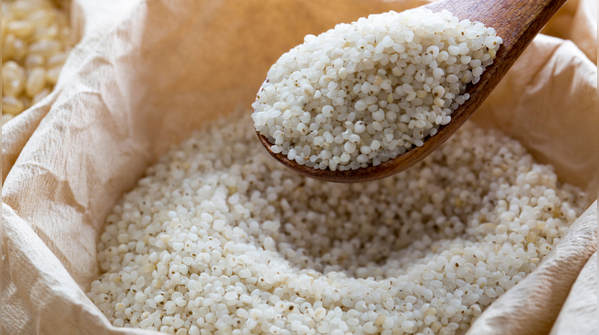
Barnyard millet (samak rice)
For those missing regular rice during fasting, samak rice offers a comforting alternative. Technically a millet, it cooks quickly and absorbs flavours beautifully.
A simple samak khichdi cooked with cumin, peanuts, and mild spices is one of the most popular Navratri meals. It is light on the stomach yet filling, making it perfect for both lunch and dinner during fasting days.
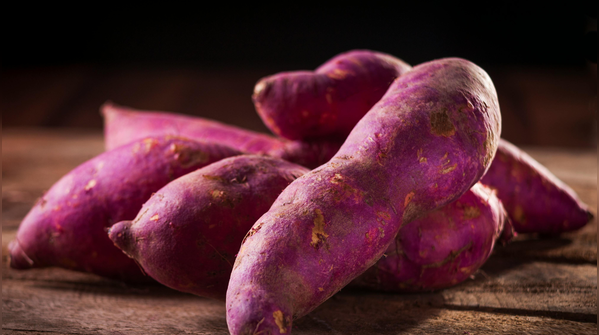
Sweet potatoes (shakarkandi)
Sweet potatoes are one of the most versatile satvik foods. Naturally sweet and rich in fibre, they provide slow-release energy that keeps hunger at bay.
They can be boiled and turned into a tangy chaat with lemon and rock salt, roasted over an open flame, or mashed into cutlets using fasting-friendly flour. Packed with vitamin A and antioxidants, they nourish the body while remaining gentle on digestion.
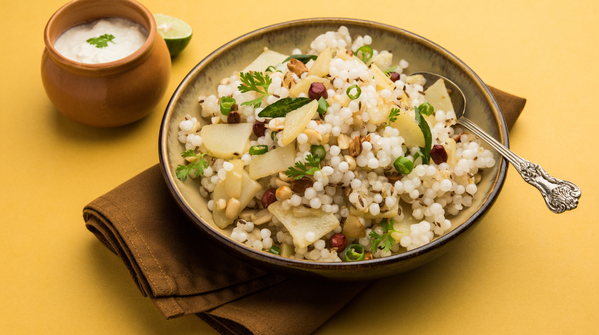
Sabudana (tapioca pearls)
Few foods are as strongly associated with fasting in India as sabudana. Made from tapioca starch, these small pearls become soft and translucent when soaked and cooked.
The beloved sabudana khichdi, tossed with peanuts, cumin, potatoes, and green chillies, is a Navratri classic. It delivers quick energy through carbohydrates while peanuts add protein and healthy fats with flavour, creating a surprisingly balanced meal.
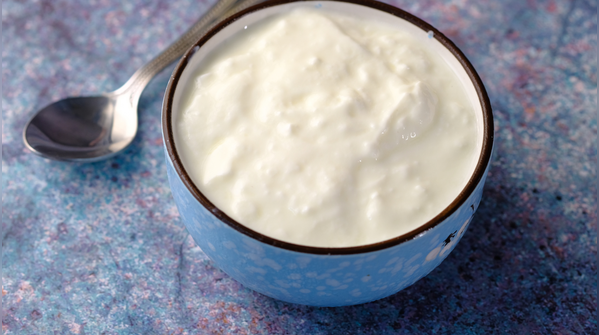
Yoghurt and dairy
Dairy plays an important role in satvik meals, particularly yoghurt, milk, and paneer. These foods provide protein, probiotics, and calcium, helping maintain strength during fasting.
A bowl of fresh dahi with roasted cumin or a glass of lightly sweet and savoury lassi can cool the body and support digestion. Paneer, meanwhile, can be sautéed with mild spices or steamed with herbs for a simple yet nourishing dish.
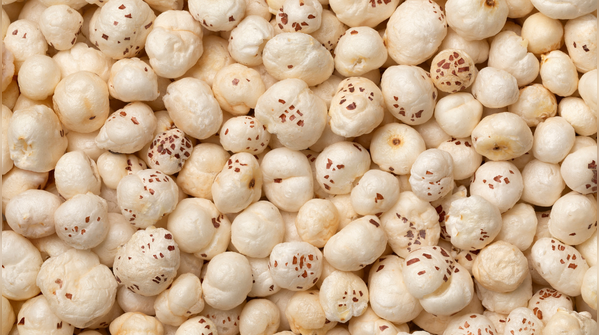
Makhana (fox nuts)
Makhana, also known as fox nuts or lotus seeds, has quietly earned the reputation of a superfood in recent years. Light, crunchy, and rich in protein and calcium, it makes for a perfect fasting snack.
Roasted in a little ghee with rock salt and black pepper, makhana becomes a satisfying, flavourful alternative to packaged snacks. It can also be simmered in milk to create a creamy dessert known as makhana kheer.
Featured In Food

