
8 winter vegetables with the highest amount of protein
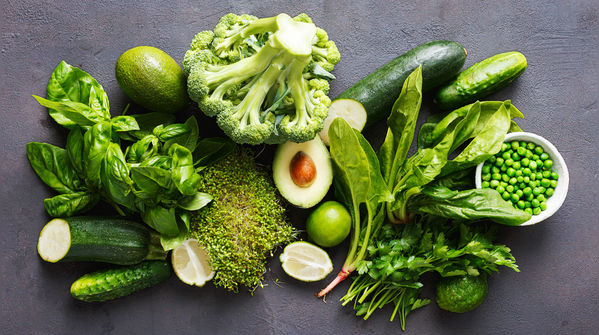
8 winter vegetables with the highest amount of protein
Protein is often discussed as if it belongs only to eggs, meat, or protein powders. Vegetables rarely enter the conversation. Yet in winter especially, when meals become warmer, slower, and more home-cooked, vegetables quietly contribute more protein than they’re given credit for.
For context, an average adult needs roughly 0.8 grams of protein per kilogram of body weight per day. That works out to about 45-55 grams daily for most women and 55-65 grams for most men, depending on size and activity level. While vegetables won’t meet that requirement alone, the right winter vegetables can meaningfully raise overall intake, especially when combined with dals, grains, or dairy. Here are eight winter vegetables that stand out for their protein content, along with how they fit naturally into cold-weather cooking.
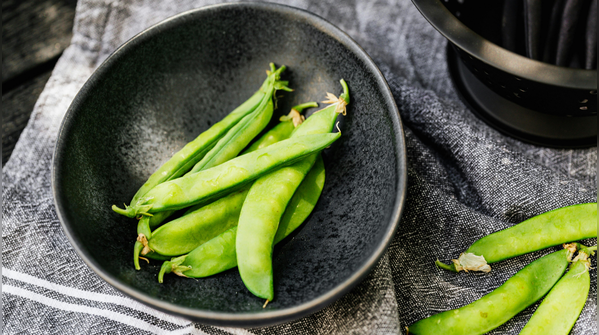
Green peas
Protein: 5.4 g per 100 g
Fresh winter peas are one of the most protein-dense vegetables available. Sweet, tender, and surprisingly filling, they blend easily into sabzis like methi, paneer, sarson, or even soups, poha, pulao, or parathas. Their protein comes with fibre and natural sugars, making them satisfying without heaviness. Also, frozen peas retain most of this protein, making them reliable all season.
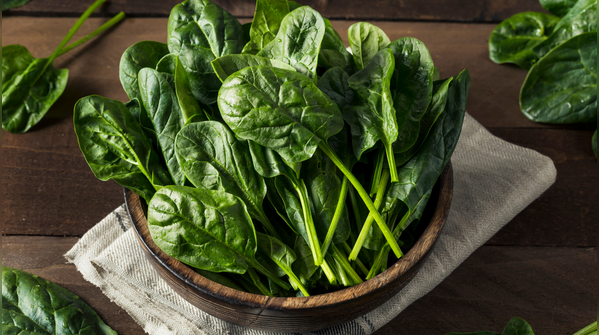
Spinach
Protein: 2.9 g per 100 g (raw)
Spinach looks delicate but punches above its weight nutritionally. Once cooked, its volume reduces, allowing you to consume more in one serving. Spinach works well in soups, palak-based gravies, stir-fries, and omelette-style preparations. Its protein contribution may seem modest, but repeated servings add up quickly.
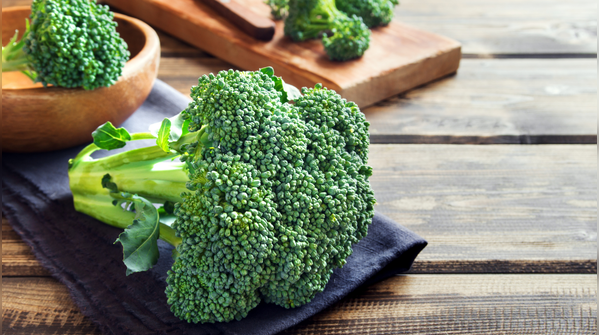
Broccoli
Protein: 2.8 g per 100 g
Broccoli is one of the few vegetables where protein makes up a noticeable percentage of calories. In winter, it shines roasted, steamed, or tossed into stir-fries. It pairs well with paneer, tofu, or lentils, increasing the overall protein density of a meal without changing its structure.
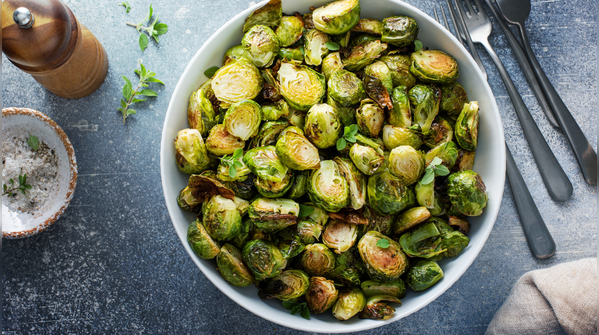
Brussels Sprouts
Protein: 3.4 g per 100 g
Often overlooked, Brussels sprouts are quietly protein-rich. Roasting them brings out a nutty flavour that works beautifully with winter spices, mustard, or garlic. They hold texture well, making them ideal for warm salads or sheet-pan meals that need substance.
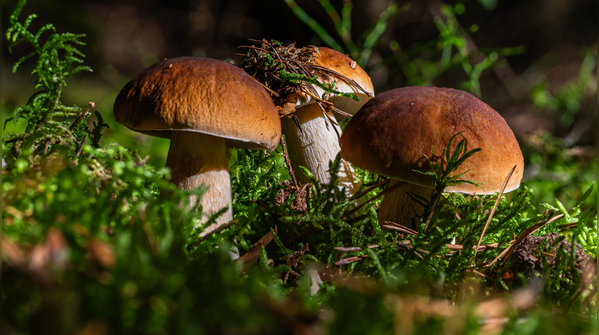
Mushrooms
Protein: 3.1 g per 100 g
Mushrooms don’t just mimic meat texture, they offer real protein too. Button, oyster, and shiitake varieties all contribute similar amounts. In winter, mushrooms add depth to soups, stir-fries, and gravies.Their umami quality makes protein-rich meals feel fuller without added heaviness.
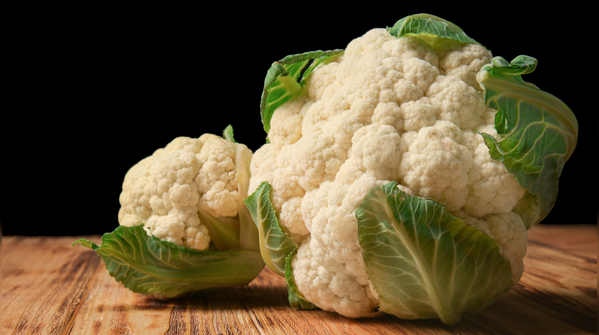
Cauliflower
Protein: 1.9 g per 100 g
Cauliflower may not top protein charts, but its versatility earns it a place here. Because it absorbs flavours well and can be eaten in large portions, its cumulative protein contribution becomes meaningful. Think roasted gobi, cauliflower soups, or grated into doughs and batters for winter snacks.
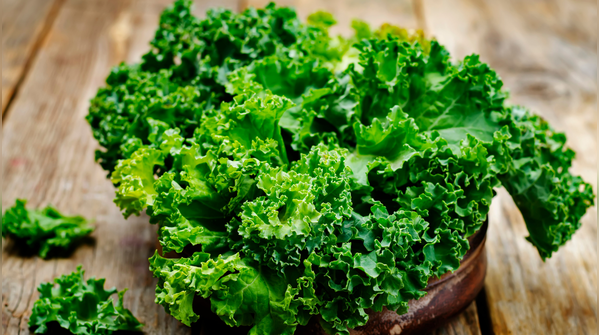
Kale
Protein: 4.3 g per 100 g (raw)
Kale is one of the highest-protein leafy greens. When lightly cooked, it becomes more digestible and easier to eat in larger amounts. Add it to soups, sauté it with garlic, or mix into dals for a winter-friendly boost of plant protein and minerals.
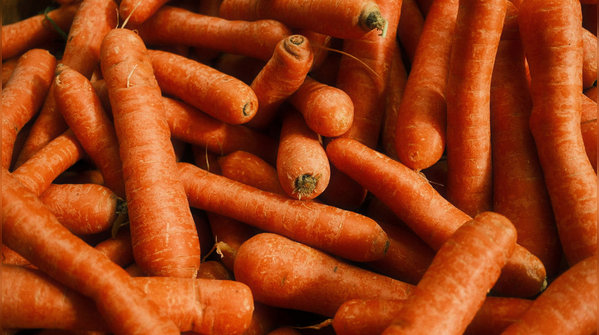
Carrots
Protein: 0.9 g per 100 g
Carrots aren’t protein stars, but winter carrots deserve mention because they’re eaten generously. From soups and sabzis to salads and halwa, carrots quietly contribute protein alongside fibre and antioxidants. Their sweetness balances heavier winter dishes, making meals easier to sustain.
Featured In Food

MORE FROM ETIMES
life & style