
9 Indian breads beyond roti and naan you should know about
9 Indian breads beyond roti and naan you should know about
For many diners, especially outside India and increasingly in fast-paced urban kitchens, Indian bread is often reduced to two familiar staples: roti and naan. They appear on restaurant menus everywhere, comforting in their familiarity yet quietly overshadowing a far richer tradition. In reality, India’s bread culture is vast, shaped by climate, local grains, migration and centuries of culinary adaptation. Every region developed its own way of turning flour into nourishment, whether through fermentation, slow roasting, hand-patting, or cooking over open flames. Some breads were designed to endure harsh weather, others to accompany festive meals, and many emerged simply from what the land could provide. Look closer, and Indian breads become more than side dishes; they become edible histories of resilience, resourcefulness, and regional identity. Here are nine Indian breads that deserve far more recognition.
Bhakri
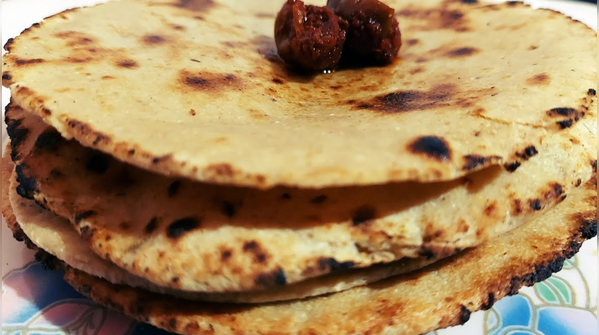
Rustic, hearty and deeply nourishing, bhakri is a staple across Maharashtra, Gujarat and parts of Rajasthan. Traditionally made using jowar, bajra or rice flour, this thick flatbread reflects regions where wheat struggled to grow but millets thrived.
Millets, naturally resilient crops, require less water and withstand harsh climates, which made them essential to agrarian communities long before they were rediscovered as modern superfoods. Their nutritional richness, high fibre, minerals, and slow-release energy adds to bhakri’s enduring appeal.
Unlike soft rotis, bhakri has a slightly coarse texture and an earthy flavour that pairs beautifully with spicy curries, garlic chutneys or simple yoghurt. It is typically patted by hand rather than rolled, giving it an uneven, handmade character that feels honest and grounding, food shaped by necessity rather than refinement.
Appam
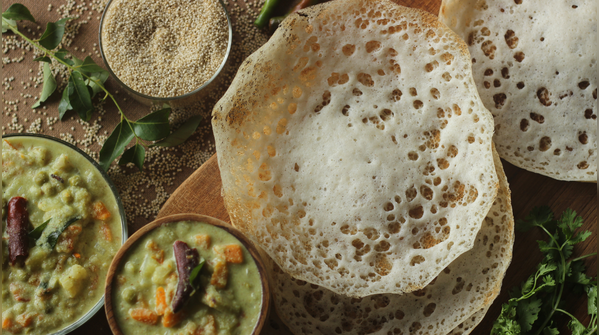
Soft at the centre and delicately crisp along the edges, appam is Kerala’s answer to fermented comfort food. Made from a batter of rice and coconut, it is cooked in a curved pan that allows the edges to lace outward while the middle remains pillowy.
The fermentation process not only creates its signature airy structure but also enhances digestibility, allowing natural flavours to deepen overnight. As the batter rests, subtle sour notes develop, giving appam its characteristic complexity while ensuring the texture stays light, spongy, and almost cloud-like when freshly cooked.
Appam’s gentle sweetness balances fiery stews, especially vegetable or coconut-based curries. Its airy texture comes from fermentation, a reminder of how coastal cuisines learned to harness humidity long before modern baking science existed.
Thepla
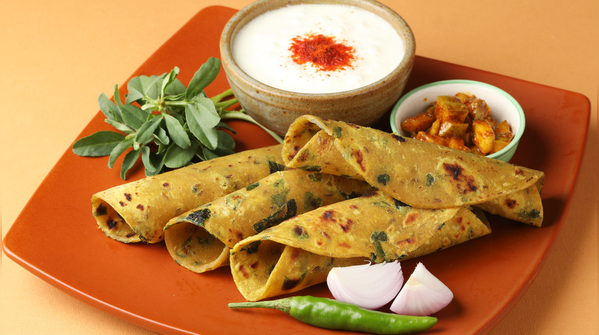
Often associated with Gujarati travel culture, thepla is less a bread and more a companion for journeys. Made with whole wheat flour, fenugreek leaves and spices, it stays fresh for days, a practical innovation from communities accustomed to long trade routes and migration.
Its flavour is layered yet subtle: slightly bitter from methi, warm from spices and comforting enough to eat on its own with pickle or chai. Thepla embodies portability, food designed for movement without sacrificing taste. It is best served with pickle.
Kulcha
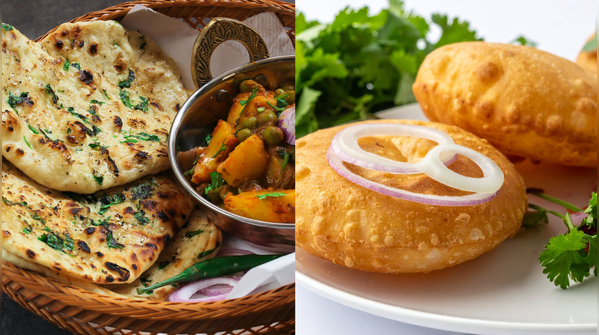
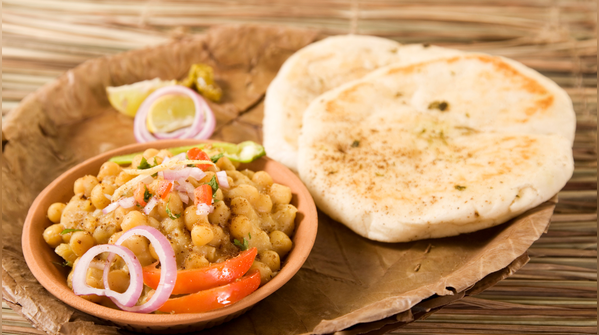
While naan often dominates restaurant menus, kulcha quietly holds its own in North Indian kitchens, especially in Punjab and Delhi. Traditionally leavened and cooked in a tandoor, kulcha is softer and slightly tangier than naan, thanks to fermentation.
Stuffed versions, filled with potatoes, paneer or onions, transform it into a complete meal rather than a side. Paired with chole, kulcha becomes indulgent street food that balances richness with comforting familiarity.
Akki roti
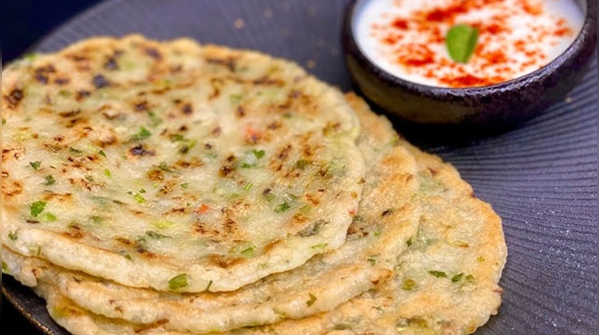
From Karnataka comes akki roti, a rice-based flatbread that showcases South India’s ingenuity with non-wheat grains. Mixed with onions, green chillies, curry leaves and sometimes grated vegetables, the dough is flattened directly onto a pan.
Because the dough lacks gluten, it is shaped gently by hand rather than rolled, giving each roti a rustic, uneven edge. Small holes are often pressed into the surface to allow steam to escape and oil to spread evenly, helping the bread cook through while developing a delicate crispness.
The result is lightly crisp, aromatic and deeply satisfying. Unlike many breads that play a supporting role, akki roti carries flavour within itself, often needing nothing more than coconut chutney to feel complete.
Makki di roti
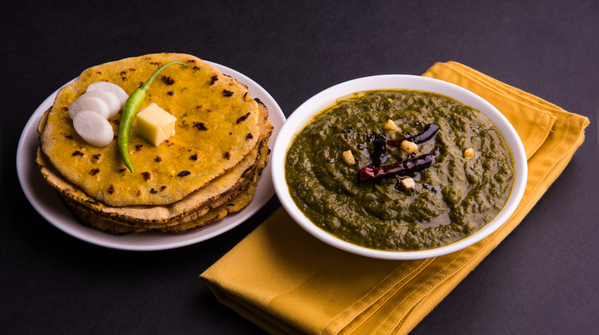
Synonymous with Punjabi winters, makki di roti is made from maize flour and traditionally served with sarson da saag. Its slightly crumbly texture demands skill to shape, often requiring gentle hand-patting instead of rolling.
Cooked slowly on an iron tawa and often finished over an open flame, the roti develops a smoky aroma that enhances its rustic appeal. A generous spread of homemade white butter or ghee is typically added while hot, allowing it to melt into the surface and enrich every bite.
The bread’s sweetness complements the sharp, mustardy greens it accompanies. Together, they form one of India’s most iconic seasonal meals, proof that some foods are inseparable from climate and harvest cycles.
Luchi
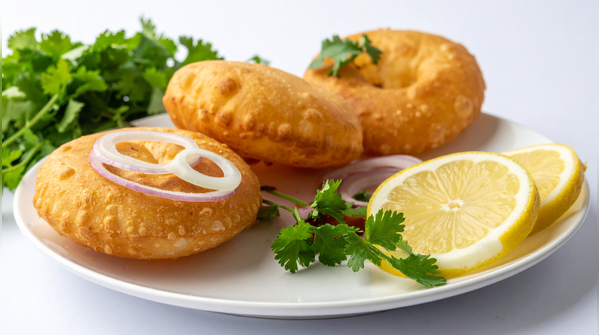
In Bengal, luchi elevates the idea of fried bread into something almost celebratory. Made from refined flour and deep-fried until it puffs into soft, white balloons, it is lighter and more delicate than puri.
Unlike many everyday staples, its preparation carries a quiet sense of occasion. The dough is kneaded carefully, rolled smaller and thinner than puri, and fried patiently so it rises evenly. Watching luchis puff in hot oil is itself a familiar kitchen ritual, often signalling comfort, togetherness, and anticipation.
Luchi is rarely everyday food; it belongs to festivals, lazy Sunday breakfasts and special gatherings, often paired with aloo dum or mildly spiced gravies. Its appeal lies as much in nostalgia as in flavour.
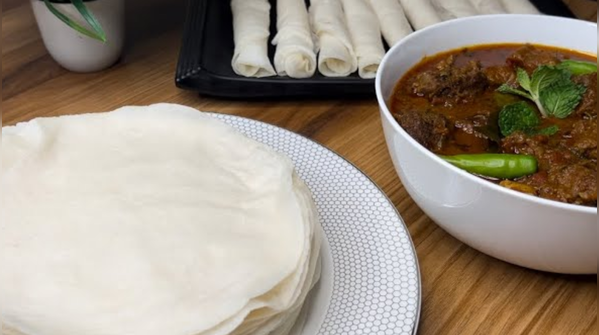
Pathiri
A lesser-known gem from Kerala’s Malabar region, pathiri is a thin rice flatbread closely associated with Moplah cuisine. Soft, almost translucent and incredibly light, it is typically served with rich meat or coconut-based curries.
Traditionally made by kneading finely ground rice flour with hot water, the dough is rolled into delicate discs and cooked briefly on a hot griddle without browning. The technique requires gentle handling and precision, reflecting the understated craftsmanship that defines many coastal Malabar culinary traditions passed through generations.
Because it contains no wheat, pathiri feels clean and subtle on the palate, allowing bold curries to shine. Its simplicity demonstrates how minimal ingredients can produce remarkable elegance.
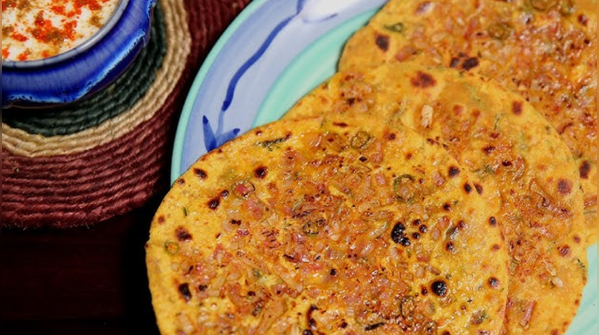
Missi roti
Earthy and protein-rich, missi roti combines whole wheat flour with gram flour (besan), along with spices and herbs. Popular in Rajasthan and Punjab, it carries a nutty flavour and a satisfying density that makes it more filling than regular roti.
The dough is usually kneaded firm to help it hold shape, as besan lacks gluten. Resting it briefly allows the flours to hydrate properly, improving texture and ensuring the roti cooks evenly without cracking or becoming dry.
The addition of ingredients like ajwain, chopped onions, green chillies, or fresh coriander enhances both aroma and digestion, giving the bread a rustic character. Traditionally cooked on iron tawas over open flames, it develops subtle smoky notes that deepen its flavour and make each bite distinctly hearty and comforting.
Often topped with a generous smear of butter or ghee, missi roti pairs beautifully with robust dals and pickles. It reflects agrarian cooking, practical, nourishing and designed to sustain long working days.
Featured In Food

MORE FROM ETIMES
life & style