
Foods to eat and avoid in Sehri
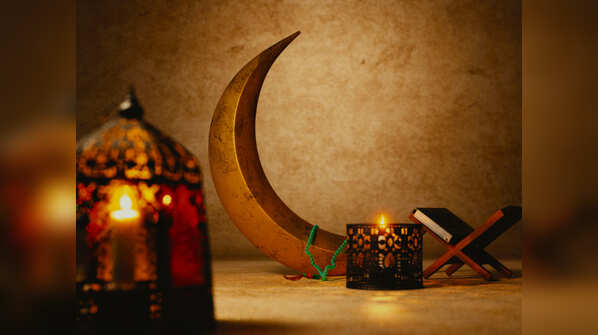
What is Ramzan and why is it celebrated?
The holy month of Ramadan or Ramzan is here and like always, it has brought a feeling of peace and festivity with itself. It is considered the ninth month according to Islamic calendars in which the Holy Quran was revealed for the very first time. People of Islamic faith observe fasts during this whole month and this time is dedicated to realisation of the self and the soul. It is also important for people to reconnect and strengthen their relationship with their faith. Fasting is one of the practices that are meant to teach self-control and there are certain rules that one has to follow. The fasts are called Rozas and start with Sehri in the morning before sunrise and Iftar by the end of the day or once the sun sets.
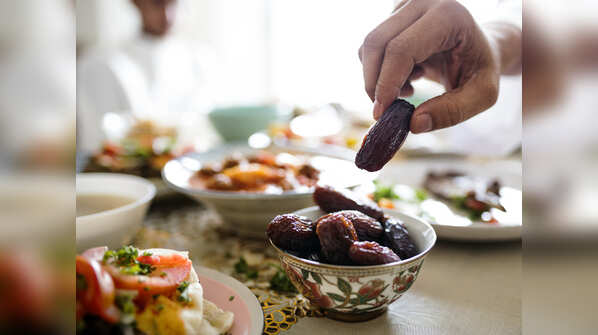
The idea behind Sehri
The whole idea behind Sehri is to have a meal that is nutritious and fulfilling enough to get you by the day and give you least hunger pangs until it is Iftar time. That is why it is important to understand what to eat and choose wisely between the options. Fasting for a month can be extremely beneficial for the body as it detoxifies intensely. But sometimes, people tend to indulge in foods that are high in calories to cater to the neverending cravings. As at this time, cravings also tend to intensify. Timings for Sehri were set for before sunrise because people were meant to go about their businesses afterwards. But with changing times and lifestyles, people now attend Sehri in the morning and then go back to sleep. At this point, having a meal that is difficult to digest might result in ill health and can make you uncomfortable for the rest of the day. So, to avoid mistakes like these, here is a list of foods that you should and should not have for Sehri:
What to eat:
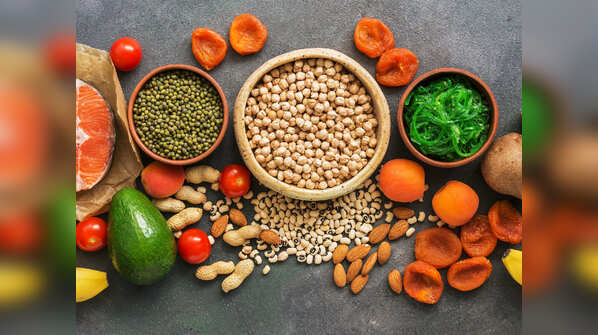
Fruits and vegetables rich in potassium
Eating fruits that are rich in potassium can help you stay full for long periods and can also provide you with the strength that wouldn’t let you feel low or weak during the day. It increases your pain endurance and also minimises cramps and increases electrolyte balance in the body. Some potassium-rich foods are bananas, spinach, broccoli, cantaloupes, peas, mushrooms, etc.
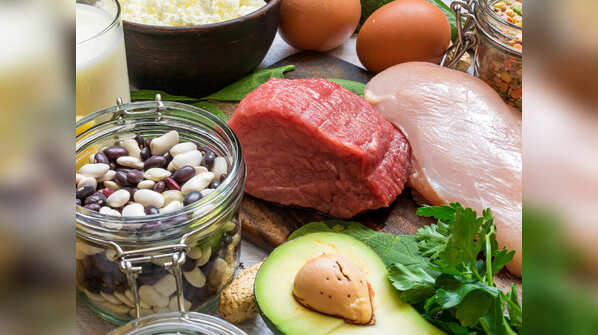
Fruits and vegetables rich in protein
Protein is a micronutrient that can be digested by the body easily and is also useful in providing strength. It is also known to strengthen immunity. You can include eggs, chicken, paneer, nuts, nut-butter, legumes etc. in your diet.
Fruits and vegetables with high fibre content
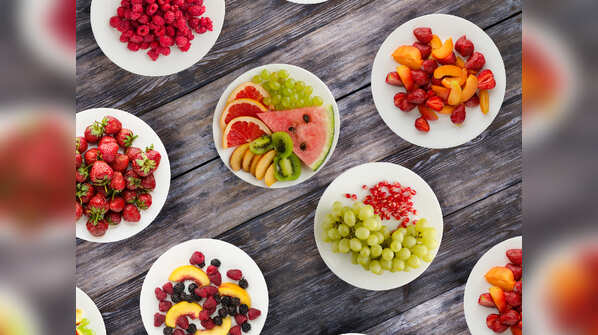
Long hours of staying empty stomach and then indulging in high-calorie meals might mess up your digestive system a little bit, especially towards the beginning of Rozas. At this point, including foods that are rich in fibre will not only help you in keeping your digestive system healthy but will also keep your body cool for the whole day. You can have peaches, apples, broccoli, kidney beans, chickpeas, quinoa, oats, etc. to add fibre to your diet.
What not to eat:
Caffeinated or Carbonated drinks
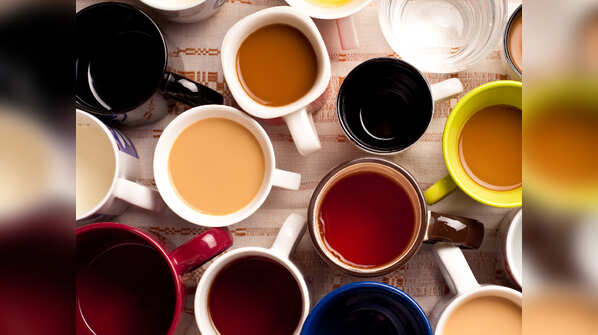
Having carbonated drinks can increase the risk of obesity and can also trigger acidity in your body, especially when you wouldn’t have time to digest it. Keeping in mind that these fasts are to be completed without water, caffeine is something that doesn’t help in hydration and keeps you longing for water all day long. It can also trigger insomnia. So, you must avoid cold drinks, tea and coffee as much as possible.
Spicy, fried foods
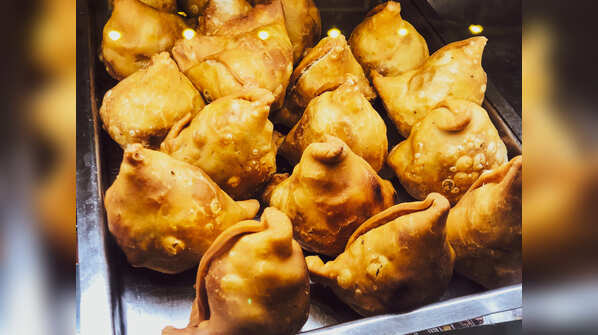
Apart from the obvious reasons like acidity, spicy and fried food doesn’t give you any essential nutrients and it is plain calories that you are indulging in. So, samosas, bread rolls and even sweet and fried dishes like Gulab Jamun are off the list.
Food that is high in sodium
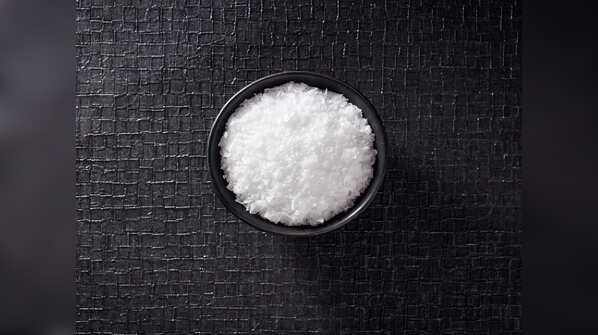
For one simple reason and that is sodium makes you thirsty while still holding onto water in your body and causes water retention. So, avoid nuts and chips with all other foods that are high in sodium.
Featured In Food

