
Kitchen Hacks: 6 common pressure cooker mistakes to avoid and dos and don'ts to follow
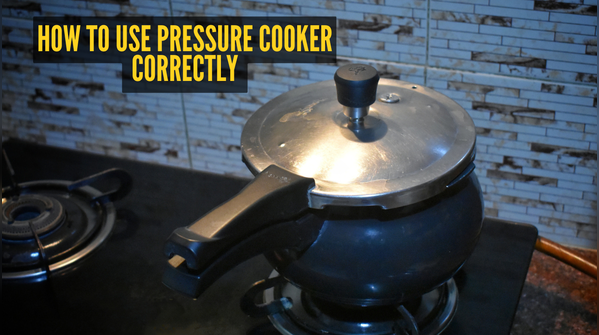
The right way to use pressure cooker at home
When it comes to comfort cooking, the pressure cooker is one of the quickest and most efficient ways to prepare dals, rice, vegetables, and meats. It not only reduces the cooking time but also makes it easier to make one-pot meals, where you simply add all the ingredients in one go and pressure cook them. But, using a cooker comes with some guidelines that one should always follow for safety and for the best results. Here we have listed common pressure cooker mistakes one should avoid and the dos and don'ts to follow while using a pressure cooker.
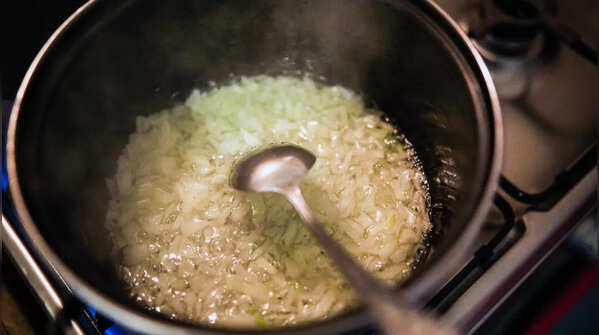
Overcrowding the cooker
It is important to understand that a cooker works on the principle of creating pressure and heat and a tightly packed cooker will only result in some ingredients staying undercooked while others turn mushy. So, when you are cooking in a pressure cooker, never fill it completely. Always keep the cooker at half capacity and this will help you get the best results.
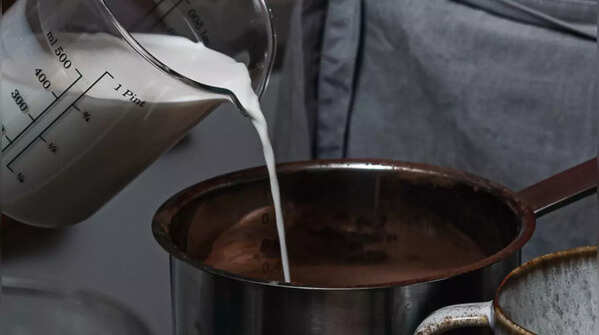
Adding dairy too soon
When cooking in a cooker, adding dairy items at an early stage can lead to curdling. According to experts, high pressure and heat disturb the proteins in dairy, making your gravy grainy instead of smooth. To avoid this, always add dairy items once the pressure cooking is completed. This will help preserve the richness of the dish.
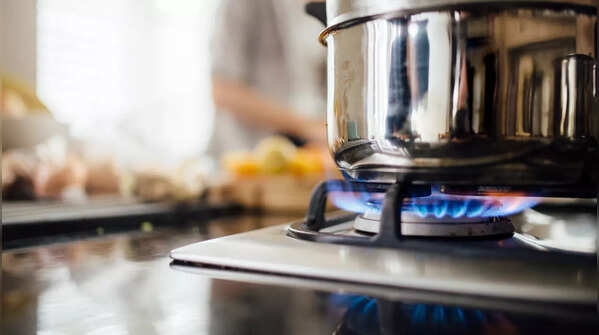
Cooking on high flame
While cooking in a pressure cooker is said to be faster than any other utensil, that doesn't mean you should cook the food on a high flame. A high flame creates pressure faster without even cooking the dish and can also lead to burning the food at the bottom of the cooker. So, make sure that you cook food on a low-medium flame when using a pressure cooker.
Not using enough liquid
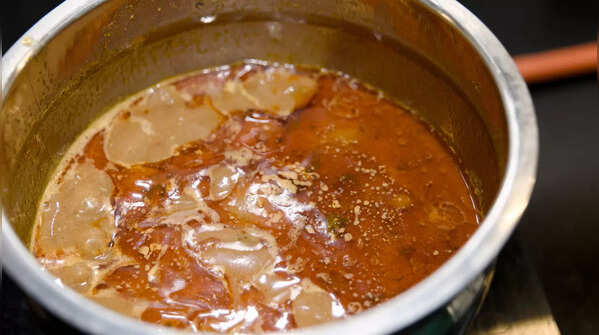
According to experts, a cooker works by building steam, and if there's not enough liquid, it will never work right. All it will result in is the burning of food and damage to the cooker. The rule of thumb with liquid is to always keep more in quantity in ratio to the key ingredient. For 1 cup of pulse, use 1.5 cups of water and for 1 cup of rice, use 1.5 cups of water and so on.
Releasing pressure incorrectly
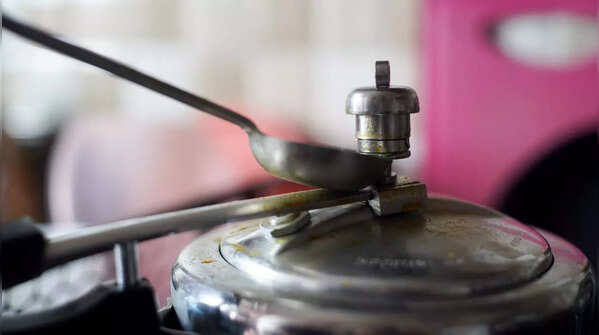
Did you know that incorrect releasing of pressure can actually affect the taste and texture of the dish? Yes, it is always suggested to let the pressure release naturally and forced releasing of pressure might destroy the dish.
Poor cleaning and mainteance
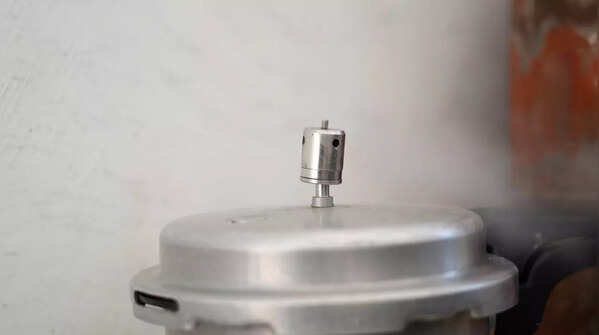
Blocked vents and dirty safety valves are major safety risks associated with regular use of a pressure cooker. It is suggested to clean the vent pipe, safety valve, and lid thoroughly after every use with the help of warm water and dish liquid.
Dos
When it comes to pressure cooker cooking, every food requires a different amount o time to cook. For instance, tough meat like pork shoulder needs more time compared to quicker-cooking cuts like chicken breasts. When it comes to vegetables, hard veggies like potato and carrot take longer to cook than bell pepper or spinach. Hard vegetables usually need about 5-10 minutes, while softer ones may only need 1-3 minutes. And with grains and legumes, foods like beans will take 20-40 minutes to cook while rice typically takes only 5-7 minutes. Another thing that can save a lot of time while cooking in a pressure cooker is, the practice of soaking. Soaking veggies and legumes helps reduce the cooking time.
Don'ts
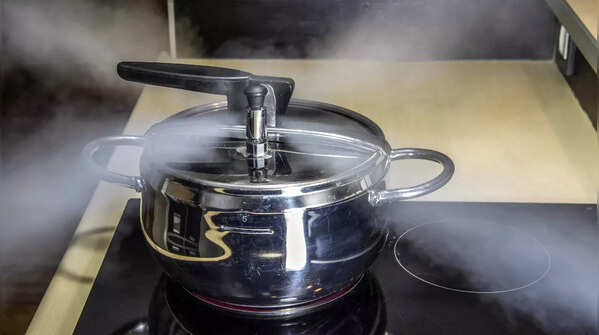
The pressure cooker is a very science-based tool, and hence never try to open the pressure cooker lid before the pressure is completely released. The forced practice can lead to serious burns due to hot steam. Also, forced release of pressure can lead to unevenly cooked food or messes, so follow your recipe's instructions for the best results. Some people start by cooking on high heat to build up pressure quickly, then lower the heat to maintain a steady pressure. Using high heat throughout can cause food to cook too fast, leading to uneven results and potential burning.
Images Courtesy: istock
Featured In Food

MORE FROM ETIMES
life & style