
LPG Shortage: 5 step complete guide on how to make perfectly puffed roti on an induction
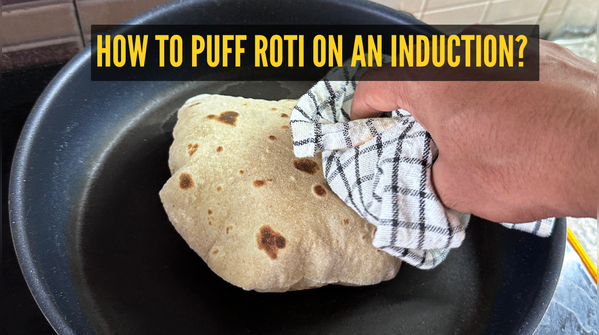
Tips to make roti on an induction
The LPG crisis is slowly moving from commercial kitchens to domestic households, pushing people to invest in alternatives like ovens, induction cooktops, rice cookers, and PNG connections. If you are new to induction cooking, it might take time to get used to it. Foremost thing is to invest in induction-friendly cookware and tawas. If you are trying to make rotis on an induction cooktop, getting them to puff is also a challenge. Keeping this in mind, we have compiled a complete guide on how to make perfectly puffed roti on an induction. Take a look.
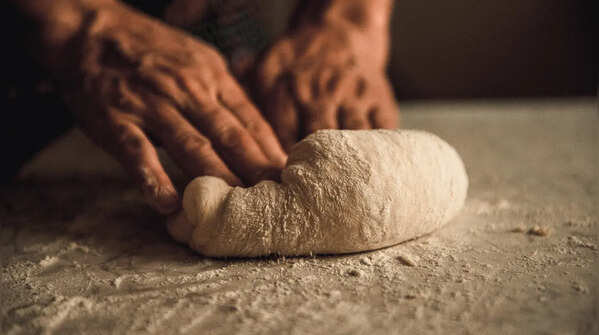
Step 1: Start with the right dough
The foundation of good roti lies in its dough. It is suggested to use good-quality flour and gradually add water to knead the perfect dough. Also, knead the dough for at least 8-10 minutes to develop gluten, which is essential for puffing. Once done, cover the dough and let it rest for 15–30 minutes. Adding a teaspoon of oil or ghee while kneading can improve softness, but avoid overdoing it.
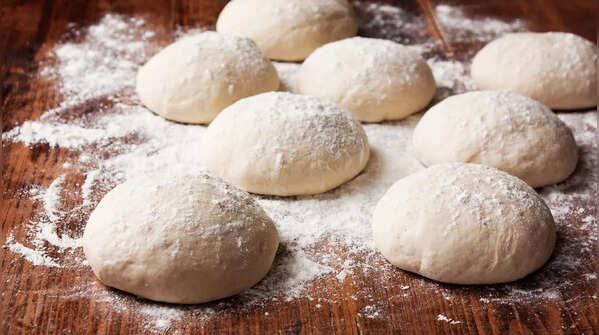
Step 2: Divide and roll evenly
Next, make small, smooth dough balls without cracks. Flatten them slightly and dust lightly with dry flour. Roll each ball into an even circle. Remember, uneven rolling is one of the most common reasons rotis don’t puff.
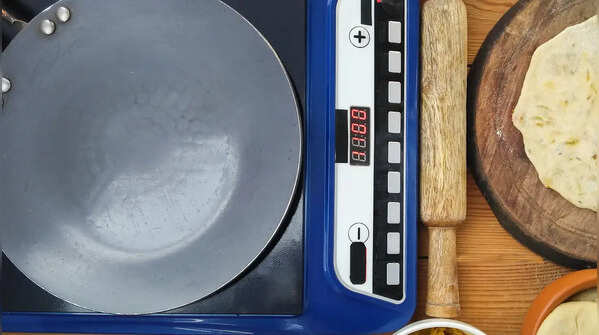
Step 3: Preheat the tawa correctly
When cooking on an induction cooktop, temperature control is very important. Place the tawa on the induction top and preheat it on medium heat.
Step 4: Cook the rotis in stages
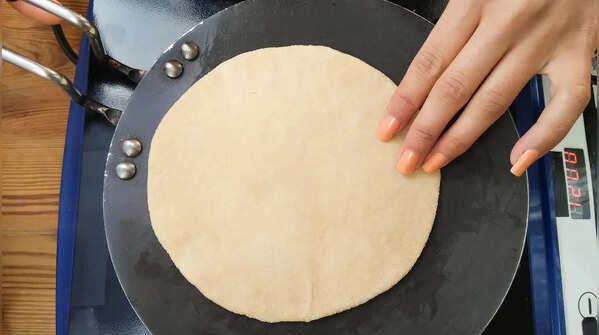
Place the rolled roti on the tawa, and once you see bubbles on it, flip it. Now cook the second side until you see light brown spots.
Step 5: Time to puff
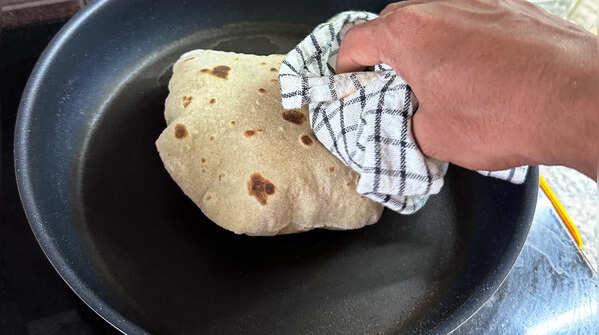
Gently press the edges and centre of the roti with a cloth or a spatula. According to experts, this step helps trap steam inside and makes roti puff.
Extra tips
Control heat: With induction, heat control is crucial. Start at medium heat and adjust gradually.
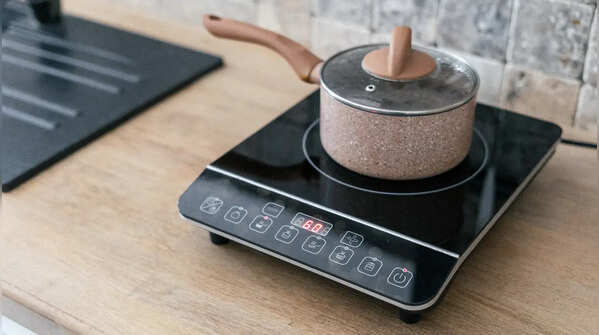
Use the right tawa: When making roti on an induction cooktop, it is important to invest in an induction-friendly tawa.
Images Courtesy: istock
Featured In Food

MORE FROM ETIMES
life & style