
PM Narendra Modi praises 3 desi Indian cheese varieties and asks how many have you tried
What makes Indian cheese varieties so popular
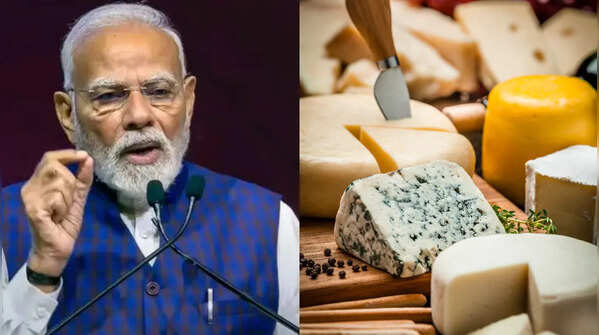
Recently, when four Indian cheese varieties made the nation proud at Mundial do Queijo do Brasil 2026, the Prime Minister praised the win and congratulated the brands on his official X account. Later, he also posted a reel on Instagram and talked about how Indian cheese varieties are marking their presence in the global market. In his official Instagram reel, he said, "Two brands of Indian Cheese have won prestigious awards in an international Cheese competition held in Brazil. This achievement was also widely discussed on social media. Many people told me that the diversity of Cheese in India should also be talked about." The cheese and dairy competition, hosted in São Paulo, Brazil, featured entries from more than 30 nations. Indian handcrafted dairy products were assessed by a panel of 350 judges. In the video, he highlighted other cheese variations of India. Scroll down to read the details.
Kalari Cheese
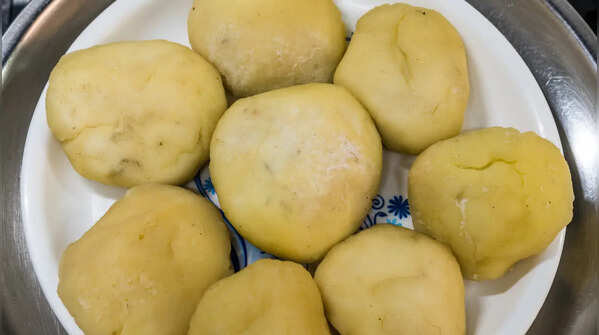
It is a type of stretchy cheese, also known as “Maish Krej,” loved for its unique texture and taste. According to PM Modi's speech, it is also called Mozzarella of Jammu and Kashmir and is traditionally made by the Gujjar and Bakerwal communities of Jammu and Kashmir. It is believed that Kalari cheese originated in the Ramnagar area of Udhampur district in Jammu, and others claim that the area of origin may have been in Ramnagar, Pancheri, Chenani, Rajouri, or Poonch. According to historians, Kalari is commonly served hot with bread or kulcha, sometimes sprinkled with spices or chutneys for added flavor. It is especially popular as a street food snack and is loved for its comforting, indulgent quality. What makes Kalari unique is the way it is cooked: typically shallow-fried until it develops a crisp, golden-brown exterior while becoming soft and stretchy on the inside. If we talk about making this cheese, the process begins by boiling cow or buffalo milk, which is allowed to cool slightly and then a souring agent is added to curdle the milk. As the milk separates, solid curds form, which are then collected and drained of excess liquid using a cloth. This mixture is then shaped into discs and left to air-dry for a day or two; this is how it gets its firm texture and slightly chewy consistency.
Chhurpi Cheese
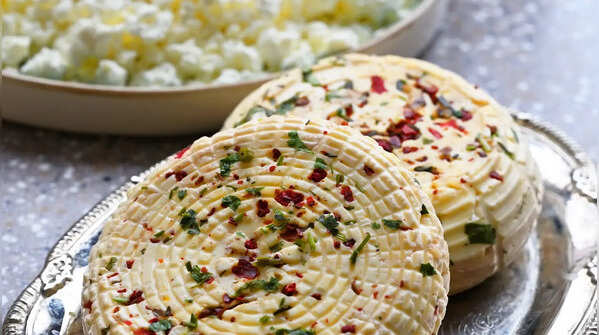
This is a traditional Himalayan cheese made in regions like Sikkim, Arunachal Pradesh, and neighboring areas of Nepal and Bhutan. Traditionally, it comes in two forms-soft and hard chhurpi. Former is fresh and slightly tangy, often used in curries or eaten as a side, while the latter is very dry and chewy, and is mostly consumed as a snack. It is made with cow or yak milk, which is boiled, cooled slightly, and then a natural souring agent is added to curdle it. For soft chhurpi, the drained curds are pressed lightly and used fresh and for hard one, the curds are pressed more firmly into blocks and then cut into smaller pieces.
Topli Nu Paneer
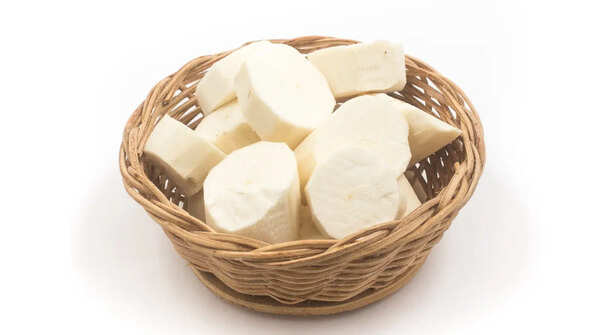
It is a traditional cheese from Gujarat and Maharashtra and is associated with the Parsi community. The name topli means basket and that's exactly how this paneer gets its identity. According to experts, instead of being pressed into flat blocks, the curdled milk is shaped and drained in small basket-like molds. Also known as Surti Paneer, it is known for its velvety texture and is mostly served at Parsi weddings. The process for this cheese begins by boiling fresh milk and curdling it using a souring agent like lemon juice or vinegar. As the solids separate, the soft curds are transferred into small woven baskets (toplis), which allow excess whey to drain naturally while imprinting a delicate basket pattern on the cheese.
Featured In Food

MORE FROM ETIMES
life & style