
Top 6 Indian root veggies that support liver health naturally

Top 6 Indian root veggies that support liver health naturally
The liver does some of the hardest work in the body. It filters blood, helps break down fats, processes nutrients and clears out waste every single day without much fanfare. That is one reason food matters so much. While no vegetable can magically “cleanse” the liver on its own, a diet rich in root vegetables can support digestion, provide antioxidants, and give the body the nutrients it needs to keep this vital organ working smoothly. Indian kitchens already have a quiet advantage here. Many root vegetables used in everyday cooking are packed with fibre, plant compounds and minerals that can help reduce the burden on the liver by supporting better metabolism and digestion. They are humble, affordable and deeply familiar, which makes them easier to eat regularly than flashy superfoods. Here are six Indian root vegetables worth bringing back to the plate, along with simple recipe ideas for each.
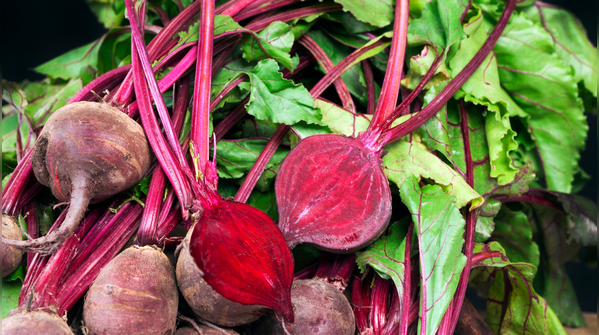
Beetroot
Beetroot is one of the most talked-about vegetables when it comes to liver support, and for good reason. It contains betalains, the pigments that give it that deep ruby colour, along with antioxidants and fibre. These compounds are often linked with helping the body manage oxidative stress, which matters because the liver is constantly dealing with toxins, processed foods and metabolic byproducts. Beetroot also supports bile flow, which plays a role in digestion and fat breakdown. That makes it a smart choice for people who want to eat in a way that feels lighter and more nourishing.
Recipe idea
Make a simple beetroot stir-fry with mustard seeds, curry leaves, grated coconut and a squeeze of lemon. Or roast beetroot wedges with a little ghee, cumin and black pepper for a warm side dish.
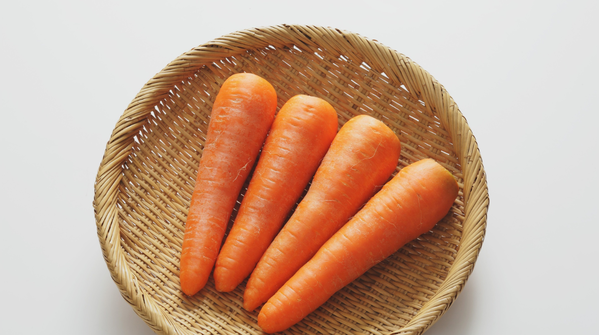
Carrot
Carrots are everyday food, but they deserve more credit than they get. Rich in beta-carotene, which the body converts into vitamin A, carrots support overall cellular health. Their fibre content also helps digestion move more steadily, which matters because sluggish digestion can make the body feel heavy and taxed. In Indian cooking, carrots are especially easy to use in seasonal sabzis, soups and salads. They work well raw, lightly cooked or slow-simmered.
Recipe idea
Try a carrot and moong dal soup with ginger, garlic and a pinch of turmeric. It is light, satisfying and easy on the stomach. For a snack, grated carrot with roasted peanuts, coriander and lemon makes a quick koshimbir-style salad.
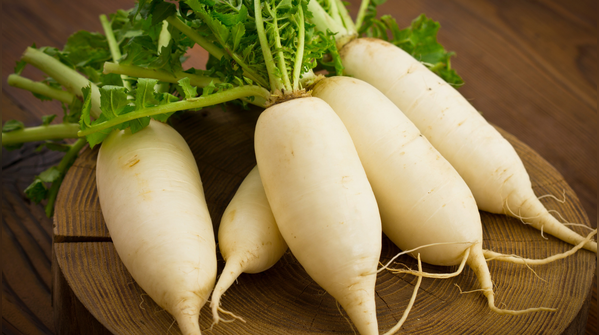
Radish
Radish, or mooli, has long been used in Indian meals for its sharp, cleansing taste and digestive value. It is rich in water and fibre, which can support gut movement and help the body eliminate waste more efficiently. Some people also find radish helpful when they feel bloated or heavy after meals. The leaves are just as valuable as the root. They are rich in nutrients and can be cooked into saag, parathas or stir-fries instead of being thrown away.
Recipe idea
Make mooli sabzi with ajwain, green chilli and a little mustard oil for a strong, rustic dish. Another option is mooli paratha with curd on the side, especially in winter when radish is at its best.
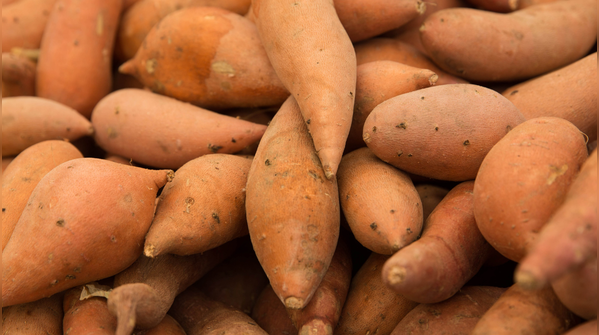
Sweet potato
Sweet potato is often treated like a comfort food, but it is also a smart nutritional choice. It is rich in fibre, potassium and antioxidants, all of which support metabolic health. Since the liver plays a central role in processing carbohydrates and fats, foods that help keep blood sugar steadier can indirectly support liver function too. Sweet potato has a naturally grounding quality. It fills you up without feeling heavy, and it is easy to pair with Indian spices.
Recipe idea
Roast sweet potato cubes with cumin, red chilli powder and a little chaat masala, then finish with lemon juice and coriander. For a more filling meal, mash it into a bowl with curd, roasted sesame and pomegranate seeds.
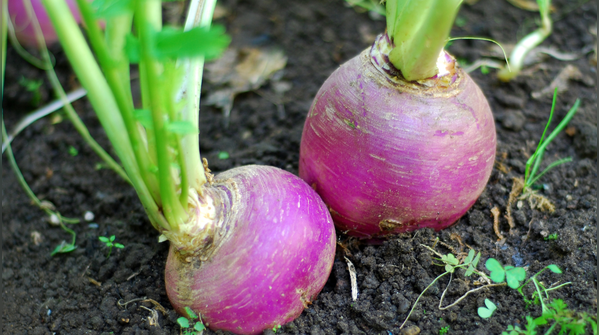
Turnip
Turnip is not as popular as it once was, but it should be. It is low in calories, high in fibre and gentle on digestion. Turnip also contains glucosinolates, plant compounds found in cruciferous vegetables that are often studied for their potential role in supporting the body’s natural detox pathways. In winter, turnip can be one of the most comforting vegetables to cook with. It absorbs spices beautifully and softens into a mild, slightly sweet dish.
Recipe idea
Cook turnip with peas, ginger, tomatoes and a touch of garam masala for a simple sabzi. It also works well in a mixed vegetable curry with carrots and cauliflower.
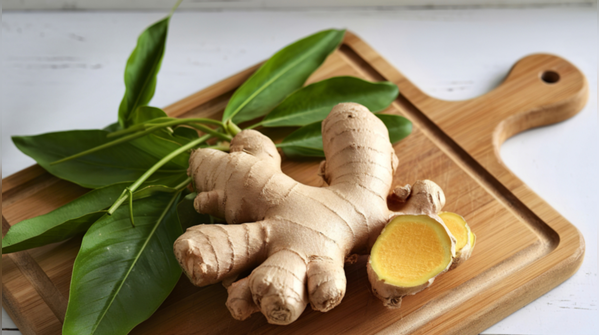
Ginger root
Strictly speaking, ginger is more of a spice root than a vegetable, but in Indian cooking it functions like both. It has long been used to support digestion, reduce nausea and warm the system. Better digestion means less strain on the liver, especially when meals are rich or irregular. Ginger’s sharp, stimulating quality can make food feel easier to process, which is one reason it appears so often in Indian home remedies and everyday cooking.
Recipe idea
Make a ginger-turmeric kadha with black pepper, tulsi and a little jaggery for a comforting drink. Or add finely chopped ginger to dal, vegetable curries and chutneys for a fresher, livelier flavour.
Featured In Food

