
What is Korean Temple Cuisine, and how to increase longevity with it
Why Korean Temple Cuisine is a must for longevity
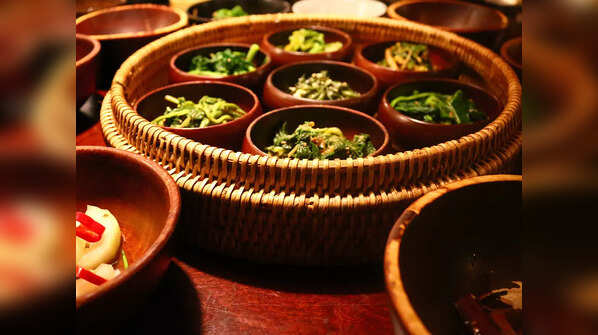
Korean Temple Cuisine, also known as ‘Sunsik’, is a unique culinary tradition rooted in Buddhist principles and practices. It is primarily served in Buddhist temples in South Korea, emphasizing the use of plant-based ingredients and mindful eating. The philosophy behind ‘Korean Temple Cuisine’ goes beyond nourishing the body; it aims to cultivate a sense of balance, harmony, and mindfulness through food. It also plays an important role in longevity of Koreans and in keeping them healthy throughout their life. Here are some of the key principles of Korean Temple Cuisine that differentiate it from the rest of the cuisines. (Images courtesy: iStock)
Plant-based Ingredients
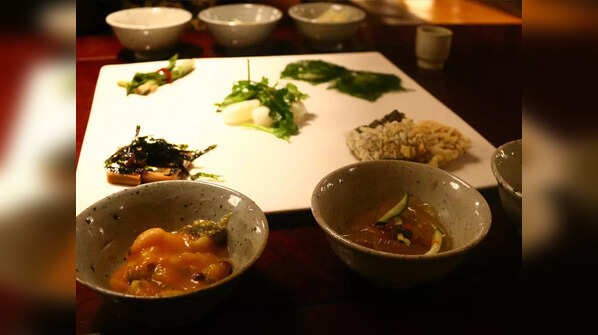
Temple Cuisine primarily focuses on using seasonal vegetables, grains, legumes, wild herbs, and mushrooms as the main ingredients. It avoids meat, fish, garlic, onions, and other pungent ingredients to maintain purity and simplicity in the dishes.
Five colours and five flavours
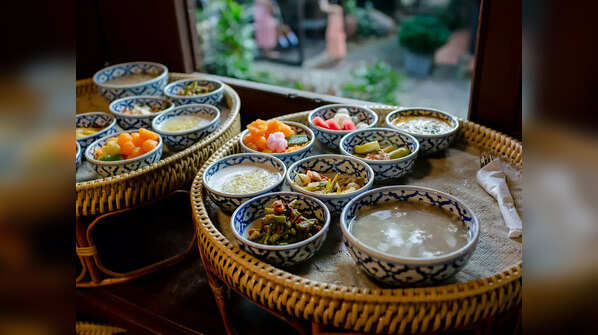
Korean Temple Cuisine aims to achieve balance and nutrition through incorporating a variety of colours and flavours. The five colours (green, yellow, white, red, and black) represent the five elements, and the five flavours (bitter, sweet, sour, salty, and spicy) signify the five tastes. By incorporating a diverse range of ingredients, the cuisine ensures a balanced and wholesome meal.
Mindful preparation and consumption
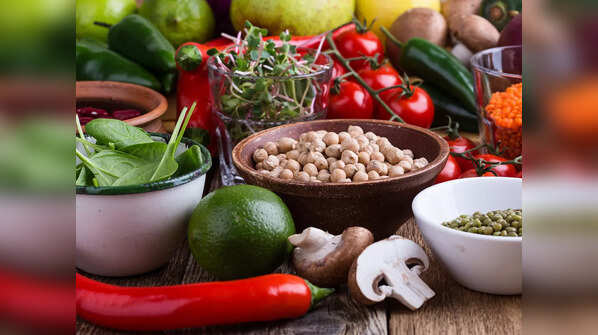
Preparing and consuming food mindfully is an integral part of Korean Temple Cuisine. The chefs engage in a focused and meditative approach while cooking, with gratitude and reverence for the ingredients. Similarly, diners are encouraged to eat slowly, savouring each bite, and appreciating the flavours and textures.
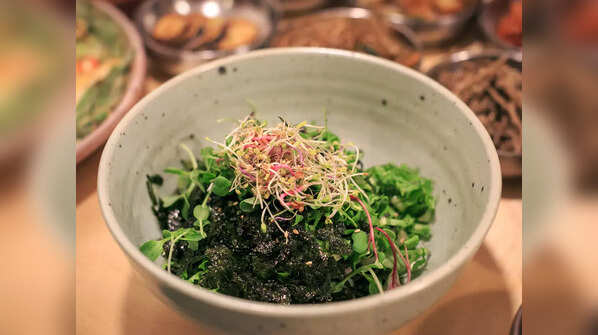
Healing and detoxification
Temple Cuisine is believed to have healing properties and promotes detoxification of the body. The emphasis on fresh, seasonal, and unprocessed ingredients contributes to overall well-being and longevity.

Tips to increase longevity
If you also want to increase longevity using this Korean Temple Cuisine, here are a few tips that you can utilise in your lifestyle.

Incorporate plant-based foods
Increase your intake of fresh vegetables, whole grains, legumes, and mushrooms. These nutrient-dense ingredients provide essential vitamins, minerals, and antioxidants that support overall health.

Practice mindful eating
Slow down your eating pace, chew your food thoroughly, and savour the flavours. By being present and mindful during meals, you cultivate a deeper connection with your food and enhance the digestive process.
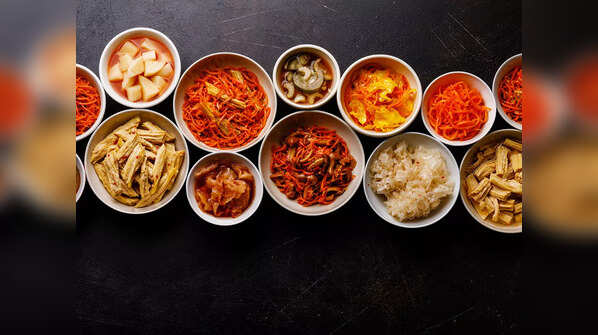
germend
Korean Temple Cuisine often includes fermented foods like kimchi, soybean paste, and fermented tea. These probiotic-rich foods contribute to a healthy gut microbiome, which is linked to improved immune function and longevity.

Reduce processed foods
Minimize your consumption of processed and refined foods, as they are typically high in unhealthy fats, sugars, and additives. Instead, focus on whole, natural foods for optimal nutrition.

Balance and moderation
Korean Temple Cuisine emphasizes balance in ingredients, colours, and flavours. Strive for a well-rounded diet that includes a variety of plant-based foods while practising portion control.

Hydration and herbal teas
Stay adequately hydrated by drinking plenty of water throughout the day. Additionally, incorporating herbal teas, such as Korean traditional teas like omija or jujube tea, can provide additional health benefits.
Featured In Food

