
Why Kumar Vishwas doesn’t keep these 2 things in his kitchen and shares his Aloo Tamatar Sabzi recipe

Why you should also avoid these two items in your kitchen
Poet and politician Kumar Vishwas is known for his craft of playing with words. But he is also a master of aesthetics, flavors, and healthy living. In a recent video interview with Curly Tales, he gave a glimpse of his eclectic home in Noida, where he also toured his modern kitchen, which adheres to ancient cooking and eating philosophies. While discussing his food choices and explaining how Indian men learn cooking through the lens of middle-class society, he stressed the rules of his home kitchen. One can find copper, bronze, brass, wood, and silver utensils and cookware, but two things are strictly prohibited in his home kitchen. Scroll down to find out the details.
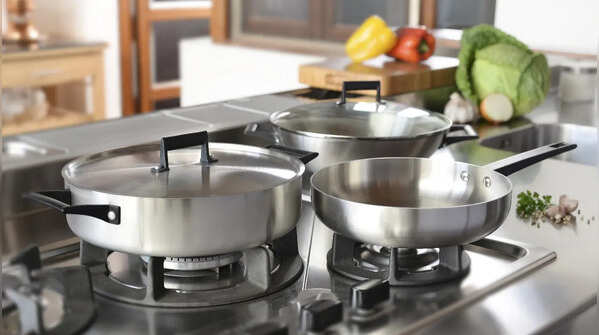
What are the two things missing from his kitchen?
In the video, he mentions that aluminum and plastic are two items not allowed in his home kitchen. He says that the West has promoted these two items heavily, which have caused more damage than good, so they are strictly prohibited in his kitchen. Even for chopping vegetables, he uses a wooden chopping board, which he highlights in the video. Also, when it comes to cooking, only mustard oil and ghee are used in his home kitchen.
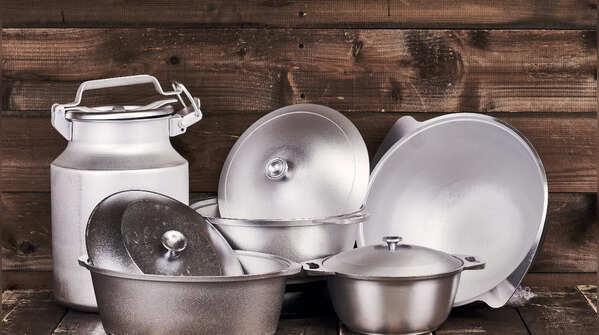
Why to avoid aluminum cookware
According to experts, aluminum cookware may react with acidic foods like tomatoes, lemon, or tamarind, causing small amounts of aluminum to leach into meals. It is said that excessive exposure to aluminum can lead to health concerns such as neurological issues and weakened bone health. Also, scratched aluminum utensils can increase this risk further, which is why many people now prefer stainless steel, cast iron, or clay cookware for daily cooking. According to a study titled "Effect of the duration of use of aluminum cookware on its metal leachability and cytogenotoxicity in Allium cepa assay," it has been found that water boiled in aluminum pots contains substances with the potential to be cytotoxic and cause mutations in somatic cells of A. cepa.
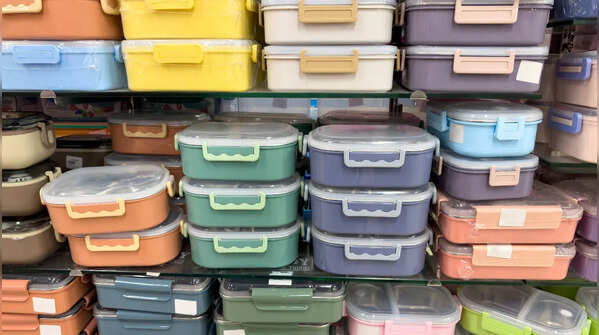
Why to avoid plastic cookware and storage boxes in the kitchen
Plastic items like tiffin boxes and serving bowls, when exposed to heat via microwave and oven, can release harmful chemicals like BPA and phthalates into food and drinks. Heated plastic containers, bottles, and spatulas may affect hormone balance and have been associated with health concerns, including fertility issues, metabolic disorders, and long-term toxicity risks, state experts. Furthermore, low-quality plastic may break down over time, mixing microplastics into food, making glass, steel, or wooden kitchenware safer alternatives for regular use.
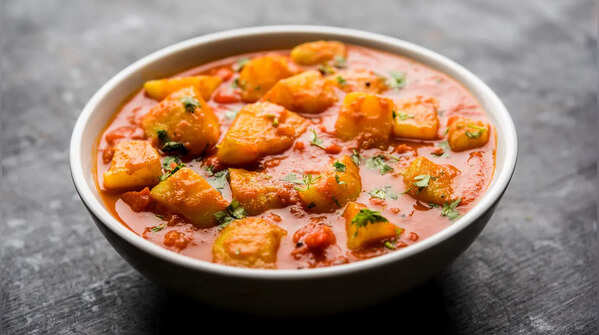
Kumar Vishwas's Aloo Tamatar ki Sabzi
In the video, he also shares his Aloo Tamatar ki Sabzi, where he uses a secret ingredient to enhance the taste of the sabzi. While cooking the sabzi for the host, he reveals that to add an extra kick to his recipe, he adds red chili sauce, which he learned to add while working in Rajasthan. Apart from this, his recipe uses regular ingredients like mustard oil, green chili, cumin seeds, potatoes, tomatoes, onion, coriander powder, garam masala, turmeric, salt and water.
Featured In Food

MORE FROM ETIMES
life & style