
Why Sadhguru recommends Date and Walnut Smoothie for kids' breakfast
Benefits of Date and Walnut Smoothie
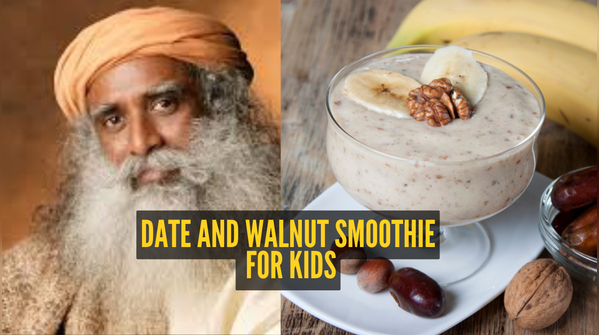
A healthy and balanced meal for kids is every parent's daily stress. From running around the school to fun activities at home in the evening, kids indulge in a lot of high-energy stuff daily and it is important to take extra care of their daily diet and nutrient intake. If you are also a parent struggling with this daily, here's a solution. Sadhguru shared a smart smoothie for kids that can be added to their daily breakfast. According to his post on the Isha Foundation website, it's the Date and Walnut smoothie that can help in the long run. The post reads, "Want to shake up your kids' breakfast? This date smoothie is quick to make, energy-packed and healthy. Perfect for your kids before you send them off to school." Scroll down to read the recipe and its benefits.

How to make Date and Walnut Smoothie
Ingredients: 50 gms seedless dates, 1 banana, 1 cup coconut milk, 1/4 cup walnuts, and a pinch of salt.
Method: Blend the banana slices, seedless dates and salt in a blender jar. Add the coconut milk and blend again. Next, add the walnuts and blend until smooth. Serve with chopped nuts on top.

What does Sadhguru say?
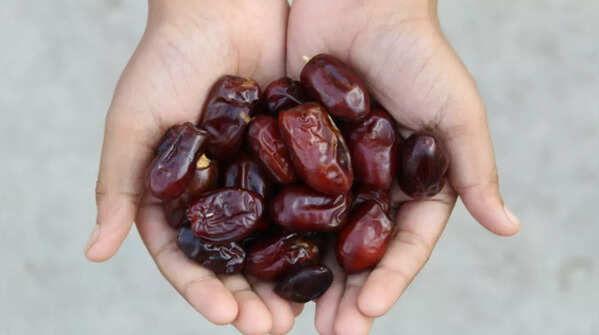
According to his post, dates, the fruits derived from the date palm tree, are a wonderful source of ready-made energy owing to their high carbohydrate and sugar content. Nutritionally, they are packed with both fat-soluble and water-soluble vitamins and also contain many minerals and salts like iron, magnesium, manganese, zinc, copper, selenium, potassium, sodium and calcium. They are an easily digestible source of fiber and prevent constipation. The vitamin content, especially the niacin or nicotinic acid fraction in it, boosts the immunity of the intestines by increasing the population of protective and friendly gut bacteria and enhances their activity, thus improving the intestines' resistance against many gut-related diseases. Research also shows that regular intake of dates has a protective action on the heart and may help prevent many abdominal cancers.
Benefits of dates
They are packed with essential vitamins and minerals including potassium, magnesium, vitamin B6, and fiber, which contribute to overall health and well-being. It is said that they are rich in antioxidants that help protect cells from damage caused by free radicals. The rich amount of fiber acts as a natural laxative, aiding digestion and helping prevent constipation. They are also said to keep you full for longer and improve bowel movement. The rich amount of carbohydrates and natural sugars like glucose, fructose, and sucrose makes them perfect for quick and sustained energy.
Benefits of walnut
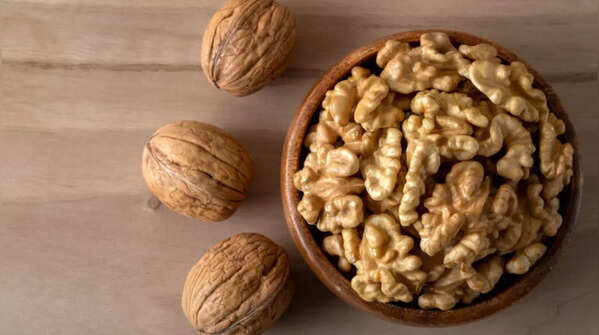
Resembling the human brain, walnuts are one of the best plant-based sources of omega-3 fatty acids, particularly alpha-linolenic acid (ALA), which plays a vital role in heart and brain health. According to experts, regular consumption of walnuts helps reduce inflammation, supports healthy cholesterol levels, and may lower the risk of cardiovascular disease. A study states that walnuts are also rich in magnesium and manganese, which help control blood pressure.
Benefits of coconut milk
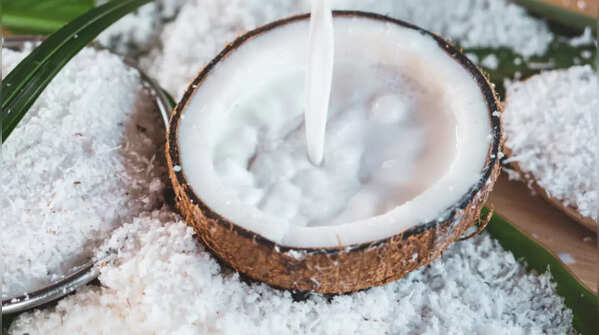
Coconut milk is proven to be rich in electrolytes like potassium and magnesium. According to experts, the medium-chain triglycerides (MCTs) in coconut milk help retain moisture in the body and skin. Also, coconut milk provides a slower, more nourishing form of hydration thanks to its nutrient density. Ayurveda considers it a coolant, which helps balance excess body heat (Pitta dosha) and the anti-inflammatory fats (especially lauric acid) help soothe internal irritation and heat-induced discomfort. It is also good for gut health.

Benefits of banana
They are a rich source of potassium and also help maintain heart health, regulate blood pressure, and support muscle function. As per Sadhguru, the natural sugars and carbohydrates found in bananas provide an instant energy boost, making them ideal for kids' breakfast. Also, their vitamin B6 content supports brain health and helps in mood regulation by promoting serotonin production. They are also proven to be rich in antioxidants, which protect cells from oxidative stress and keep the body hydrated. According to a study titled Antioxidant and anti-atherosclerotic potential of Banana, they are a rich source of carbohydrates, dietary fiber, proteins, polyunsaturated fatty acids, potassium, carotenoids, flavonoids, and vitamin C and E.
Images Courtesy: istock
Featured In Food

MORE FROM ETIMES
life & style