
Why this food is called 'poor man's protein' and 9 ways to consume it in summer months
What makes Sattu a rich source of protein and ways to consume it
For generations, farmers and daily wage workers in rural areas used to pack a mixture of roasted gram or sattu along with onion, green chiles, mustard oil and mirch ka achar in a dabba, add water to it and consume it as a meal in the field. That is how it became 'poor man's protein,' as it is a rich source of plant-based protein and is also loaded with fiber, iron, and essential minerals. Back in time, it used to be cheaper than expensive protein sources like meat, eggs, or protein supplements, and didn't require any extra cooking. In some places labourers also used to consume it as a summer drink by mixing water, salt, lemon juice, and onion during summer months as it helps prevent heatstroke too. The term “poor man’s protein” reflects its affordability rather than its nutritional value, as sattu is highly nutritious and even recommended by health experts today. In fact, it has now gained popularity in urban diets as a healthy, natural, and sustainable protein option. Celebrities like Ayushmann Khurana and Shilpa Shetty have mentioned 'Sattu' as their favourite protein drink too. Here we have listed nine ways of consuming sattu during summer months.

Sattu Sharbat
For this, add 4 tbsp sattu in a glass, 1/4 cup of plain/masala buttermilk, salt and black pepper to taste, ½ tsp chaat masala, 1 tsp lemon juice and 1 tsp chopped coriander leaves. Stir well and drink.

Sattu Paratha
Make a stuffing of 100 gms sattu, 2 tsp oil, 1 onion,3-4 garlic cloves, cumin seeds, salt and pepper. Also, knead a soft dough using multi-grain flour or wheat flour. Shape small balls, stuff them with 1 ½ tsp sattu stuffing and roll parathas using a rolling pin. Cook parathas on a tawa using mustard oil or ghee. Serve hot with curd and pickle.
Sattu and Milk Porridge
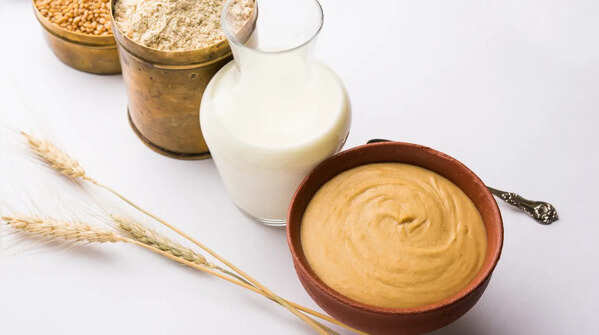
In a deep bowl, add 6-8 tbsp sattu, 1 cup milk, powdered jaggery and mix well. You can also add soaked almonds, raisins and walnuts too. Mix well and your healthy breakfast is ready.
Sattu Bharta
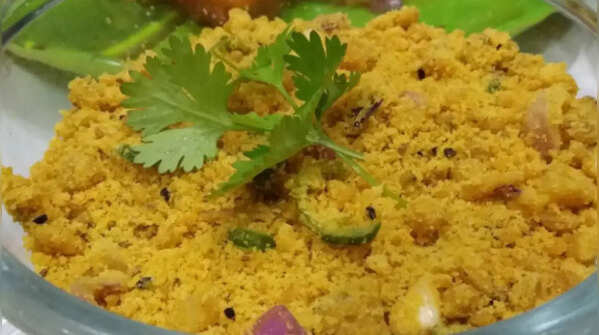
This tastes well with dal and rice as a side dish. All you need to do is, take ½ cup sattu, add 1 chopped onion, 1 finely chopped green chili, 3-4 chopped garlic cloves, 2 tbsp lemon juice, salt and pepper to taste. Add a tempering of mustard oil, cumin seeds and black mustard seeds. Mix all the ingredients to form a binding consistency. Serve with steamed rice, dal and pickle.
Sattu Cheela
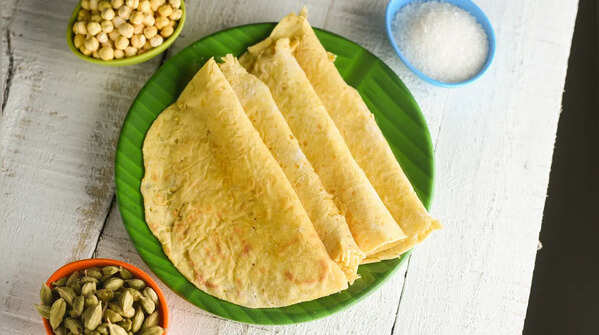
Take a deep mixing bowl, add 6 tbsp sattu, 4 tsp besan, 1 tsp turmeric powder, salt and pepper to taste, 1 chopped onion, 3-4 garlic cloves, 1 tsp lemon juice, 2 tbsp curd and make a batter using water or buttermilk for cheela. Use a ladle to shape cheela on a non-stick pan, apply oil and cook both sides until golden brown in colour. Serve hot with green chutney or ketchup.
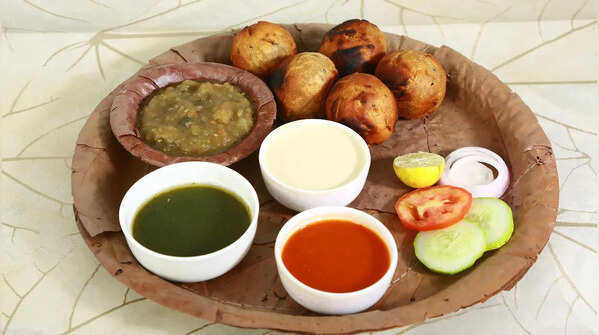
Litti
This is the most famous sattu dish. To make it at home, you need to mix 1 cup sattu, salt, black pepper, 2 green chilies, 1 onion, 4-6 garlic cloves, 1 inch grated ginger, pickle oil, and some lemon juice. Also, knead a dough of wheat flour and then make small balls of the dough. Fill the balls with 1 tbsp of sattu stuffing and then grill them on coal or gas stove using a griller. Serve hot with baigan bharta and a dollop of ghee.
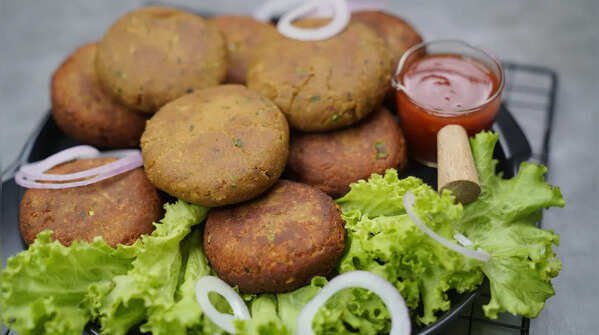
Sattu Kebab
To make melt-in-the-mouth kebabs, soak 1 cup of dhuli moong for 2 hours. Then, blend it coarsely with ¼ soya chunks, 4-6 garlic cloves, 1 inch ginger, and coriander leaves. Put it in a mixing bowl and add 4 tbsp sattu along with ½ tsp coriander powder, ½ tsp garam masala, salt, pepper, and a pinch of turmeric powder. Shape the mixture into kebabs and shallow fry till they are golden brown in colour. Serve hot.
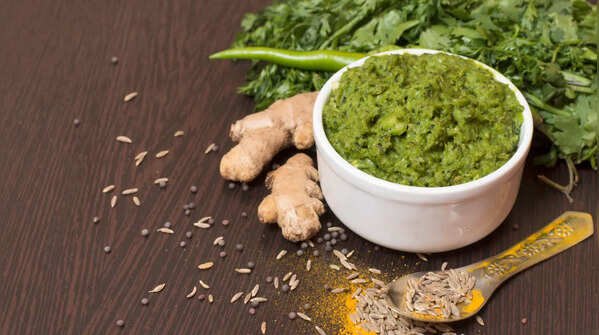
Sattu and Coriander Chutney
Take 50 gms coriander leaves, wash and remove the stem. Add them to a blender jar along with 4-6 garlic cloves, 2 tbsp sattu, 1 inch ginger, salt, 2 green chilies, 1 tbsp lemon juice, and 2 tbsp curd. Blend them together and your interesting chutney is ready.
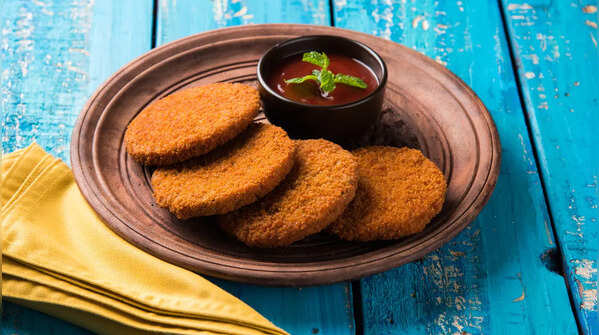
Sattu Cutlets
To make this healthy snack, combine sattu with mashed sweet potato, boiled corn or chopped onion, carrot, and peas. Shape the mixture into cutlets, and shallow fry with a coating of breadcrumbs. It makes for a crunchy outside, soft inside delight that can be enjoyed with coriander chutney.
Images Courtesy: istock
Featured In Food

