
- News
- lifestyle
- health-fitness
- Don't eat meat, yet want to increase B12 levels naturally? Here are 5 Indian vegetarian foods that help
Don't eat meat, yet want to increase B12 levels naturally? Here are 5 Indian vegetarian foods that help

Don't eat meat, yet want to increase B12 levels naturally? Here are 5 Indian vegetarian foods that help
Vitamin B12 deficiency is a widespread health issue affecting millions of Indian vegetarians because their diet heavily consists of plants, yet their body needs animal-derived B12 sources. The body requires this vital nutrient to maintain nerve function, produce red blood cells and generate energy, but vegetarians often fail to obtain enough. However, apart from supplements, a couple of vegetarian Indian foods can help in improving your B12 levels. Take a look...
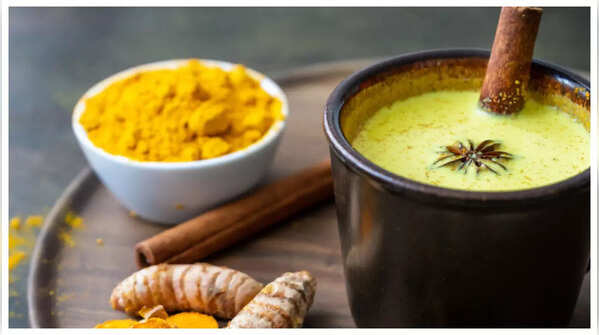
Milk
A standard glass of cow's milk contains 1.1 micrograms of vitamin B12, which fulfills 45% of the needed 2.4 micrograms for daily adult vitamin B12 intake. Milk serves as the foundation for Indian household beverages which include chai, milkshakes and warm glasses that families can consume every day, thus providing an easy method to increase their milk consumption. Research shows that B12 in milk exists in a form which the body can easily absorb at high rates, regardless of age or stomach acid levels. The spice combination with turmeric (haldi), will provide additional anti-inflammatory properties, while you can also use it to make your breakfast porridge. Milk is especially beneficial for children and pregnant women, because it enables their development through natural means without requiring additional supplements.
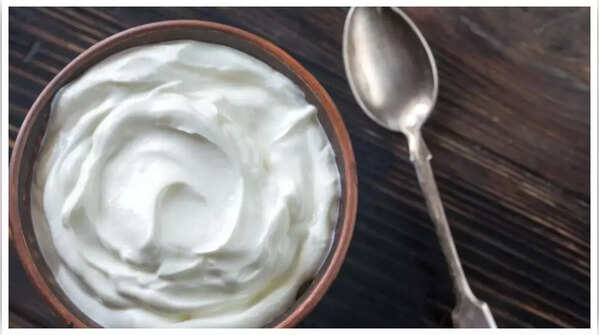
Yogurt
One serving of plain low-fat yogurt contains 0.6-1.0 micrograms of B12, and the live cultures in the product help with better gut health which improves B12 absorption. Every Indian meal includes dahi which serves as a digestive aid, that also helps combat B12 deficiency symptoms which manifest as mouth ulcers and constipation. The fermentation process leads to a minimal increase in B12 content because bacteria create small amounts of this nutrient during the process, which results in better B12 content in homemade curd than in store-bought curd. Studies link regular yogurt intake to higher serum B12 levels in South Indian vegetarians. The supplement contains probiotics which help decrease body inflammation that results from B12 deficiency, and causes nerve tingling symptoms. The iron-B12 combination in menstruation provides women with a protective mechanism against anemia.
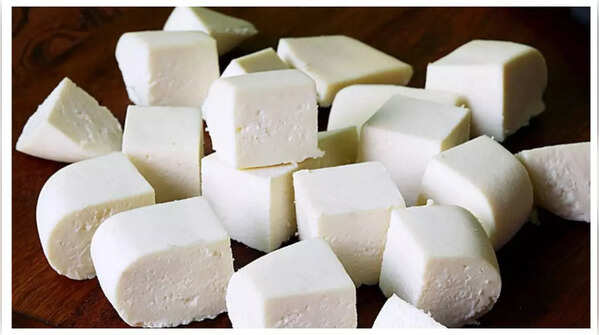
Paneer
The B12 content in 100 grams of homemade paneer made from fresh ingredients, amounts to 0.7-0.8 micrograms, which fulfills one-third of your daily needs, and contains 18-20 grams of protein. The product serves lacto-vegetarians, who need to address both B12 deficiencies and muscle strength requirements. Research indicates that paneer's curdled texture maintains B12 levels during cooking processes, which other processed cheeses do not achieve. Opt for low-fat versions to balance calories, and include it 3-4 times weekly. The Indian population benefits from paneer because it solves the dual problem of protein deficiency and B12 deficiency which exists in this country. The bone-strengthening properties of calcium in this food help protect against osteoporosis, which occurs when people depend on dairy products for their nutrition. Grill or steam to retain nutrients fully.

Fortified Cereals (sugar-free)
The B12 vitamins found in breakfast cereals contain 1.0-2.5 micrograms of this nutrient per serving. Research shows that food fortification provides people with B12 that matches the amount which can be found in animal products. The manufacturing process of processed foods keeps its ingredients at stable levels throughout its complete production cycle. The selected option provides suitable results for individuals who select their meals carefully, and for senior citizens who have difficulty processing dairy substances. In deficiency-prone India, fortified grains cut anemia rates by 15-20% in trials. Select low-sugar varieties to avoid blood sugar spikes.
Disclaimer: This article is informational only and not a substitute for medical advice
Featured In lifestyle

