
- News
- lifestyle
- health-fitness
- fitness
- 6 best indoor exercises for people who are planning to build muscle strength
6 best indoor exercises for people who are planning to build muscle strength

How to build muscle strength at home
Building muscle strength does not need a gym card or heavy machines. A quiet room, steady effort, and the right moves can go a long way. Indoor exercises work well because they allow control, focus, and safe progress. When done with care, these movements train muscles, joints, and balance together. Here are 6 indoor exercises that support real strength gains, not shortcuts.

Slow squats with pause
Squats are common, but slowing them down changes everything. Lower the body for four seconds, pause for two seconds at the bottom, then stand up. This pause forces muscles to work harder without adding weights. Thighs, hips, and glutes stay under tension longer, which helps strength grow. A chair behind the body can guide depth and improve safety.

Push-ups with hand release
Instead of rushing push-ups, release the hands briefly on the floor at the bottom. This removes momentum and makes each rep honest. Chest, shoulders, arms, and core activate together. Knees can stay on the floor at first, then progress to full push-ups. This small change builds upper-body strength faster than quick reps.
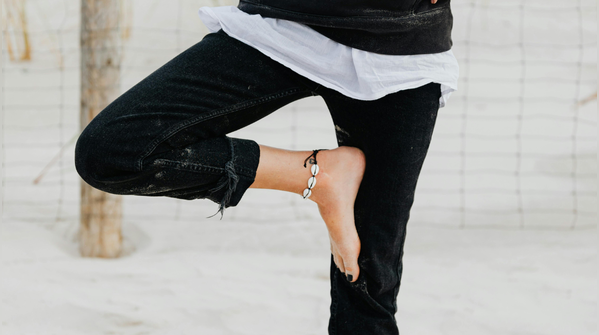
Wall-supported single-leg stands
Strength is not only about big muscles. Balance and joint control matter too. Standing on one leg with light wall support challenges calves, hips, and core muscles. Holding the position for 20 to 40 seconds builds stability strength. Over time, less wall support is needed, and strength improves quietly but clearly.

Glute bridges with hold
Glute bridges train the backside, which generally stays weak from long sitting hours. Lying on the floor with knees bent, lift the hips and hold the top position for five seconds. This hold wakes up glutes and lower back muscles. Strong glutes protect the spine and support daily movements like walking and lifting.

Floor plank with shoulder taps
Planks are common, but adding slow shoulder taps raises the challenge. From a plank position, tap one shoulder at a time without rocking the hips. This trains deep core muscles and shoulder strength together. Fewer controlled reps work better than many rushed ones. Strength here improves posture and reduces injury risk.
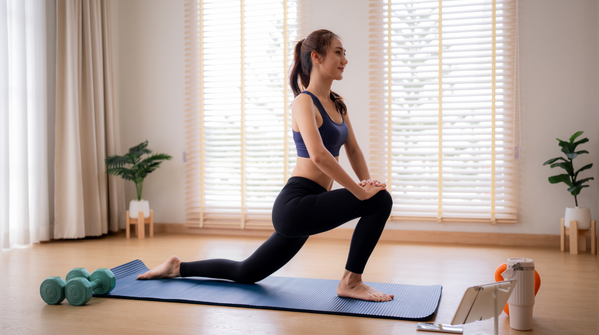
Controlled lunges in place
Forward lunges done slowly build leg strength and coordination. Stepping forward and returning to the same spot avoids unnecessary strain. Keeping the chest upright and movement controlled targets quads, hamstrings, and glutes evenly. This exercise also trains balance, which supports long-term strength development.

Disclaimer
This article is for general information only. It does not replace medical or fitness advice. People with injuries, pain, or health conditions should consult a qualified professional before starting any exercise routine.
Featured In lifestyle

