
- News
- lifestyle
- health-fitness
- health-news
- 20 New Year's resolutions worth making for 2026
20 New Year's resolutions worth making for 2026
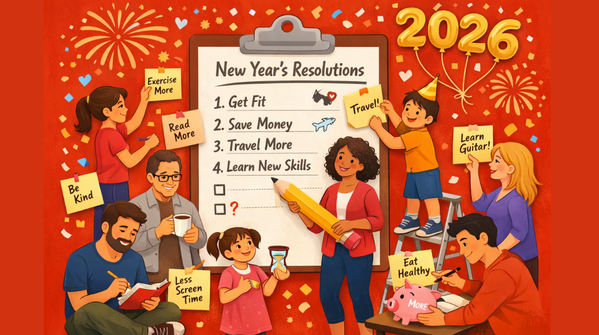
Let’s make 2026 resolutions healthier and sustainable
Here’s the thing about New Year’s resolutions: most of them sound good on January 1 and feel exhausting by February. So let’s do this differently. Less pressure. More honesty. Resolutions that actually fit real life in 2026, not some fantasy version of you who wakes up at 5 a.m. smiling.

Stop pretending you’ll “fix everything” this year
You don’t need a total reset. You don’t need to rebuild your entire personality by February. That kind of pressure kills motivation fast. Life doesn’t work in clean chapters anyway. Some things will improve. Others won’t. That’s normal. Aim for progress, not a dramatic transformation.

Take sleep seriously, even when it’s inconvenient
Sleep isn’t a reward you earn after doing enough. It’s the foundation. More rest means better moods, clearer thinking, and fewer days where everything feels ten times harder. And yeah, it might mean logging off earlier than you want. But feeling human the next day is worth it.

Drink more water without turning it into a whole thing
No tracking every sip. No guilt when you forget. Just make it easier to drink water than not. Keep a bottle nearby. Take a sip when you think about it. Small habits beat dramatic plans every time.

Move your body in ways that don’t feel like punishment
If your idea of exercise makes you miserable, it won’t last. Walking counts. Stretching counts. Doing something for ten minutes still counts. You don’t need to suffer to be healthy. You just need to move more than you did yesterday.

Spend less time fighting people online
Arguing with strangers rarely changes anything. It mostly just raises your stress. You don’t owe the internet your energy. Sometimes the healthiest move is closing the app and going back to your own life.

Say “no” without a long explanation
You don’t need a detailed reason for every boundary. “I can’t do that” is enough. The discomfort you feel at first is temporary. The relief that comes after is not.

Handle money with less drama
This doesn’t mean extreme budgeting or cutting out everything fun. It means paying attention. Knowing where your money goes. Making choices that won’t stress you out later. Future-you deserves fewer financial headaches.
Finish fewer things, but finish them properly
Starting is easy. Finishing is where things get messy. Pick projects that actually matter to you and see them through. And if something no longer fits, let it go on purpose instead of dragging it along out of guilt.

Stop waiting to feel confident before starting
Confidence usually comes after action, not before. Most people begin unsure and figure things out as they go. Waiting for certainty just keeps you stuck. Start awkwardly. Adjust later.

Keep your space manageable, not perfect
You don’t need a spotless home. You need a space that doesn’t stress you out. Clean a little at a time. Reset areas you use often. It’s easier to maintain than to fix everything in one exhausting day.

Read for enjoyment, not productivity
You don’t need to read what everyone else is reading. If a book doesn’t hold your attention, move on. Reading should feel like a break from life, not another task you’re failing at.

Pay attention to what your body is telling you
That constant tiredness isn’t random. Neither is the tension or the headaches. Check in with yourself before burnout forces you to stop. Rest is allowed. Slowing down doesn’t mean you’re lazy.

Spend less time with people who leave you drained
This one’s uncomfortable, but necessary. Notice how you feel after certain interactions. If someone consistently exhausts you, it’s okay to create distance. Protecting your energy isn’t selfish. It’s practical.
Plan things you actually look forward to
Don’t wait for joy to happen by accident. Put something good on the calendar. A trip, a dinner, a quiet day off. Having something to look forward to can change how you move through your weeks.

Let go of one grudge you’ve been carrying
Holding onto resentment takes work. It keeps old moments alive long after they’re over. Letting go doesn’t mean pretending nothing happened. It means choosing peace over replaying the same hurt again and again.

Change how you talk to yourself
Pay attention to that inner voice. If it’s harsh, dismissive, or constantly critical, that matters. You don’t need constant positivity. Just fairness. Speak to yourself like someone worth supporting.

Learn one skill that actually helps your life
You don’t need to do everything at once. Pick something useful and stick with it. Slow learning is still learning. Progress doesn’t have to be impressive to be real.

Be more present when you’re with people
Put the phone down a little more often. Listen fully. Notice moments instead of recording them. Those small connections are what people remember, not how quickly you replied to a notification.

Ask for help before things fall apart
You don’t have to handle everything alone. Asking for help isn’t weakness. It’s awareness. Whether it’s advice, support, or just someone to listen, reaching out sooner makes a difference.
Featured In lifestyle

