
- News
- lifestyle
- health-fitness
- health-news
- Colon cancer is rising among young adults: What lifestyle changes can lower your risk?
Colon cancer is rising among young adults: What lifestyle changes can lower your risk?
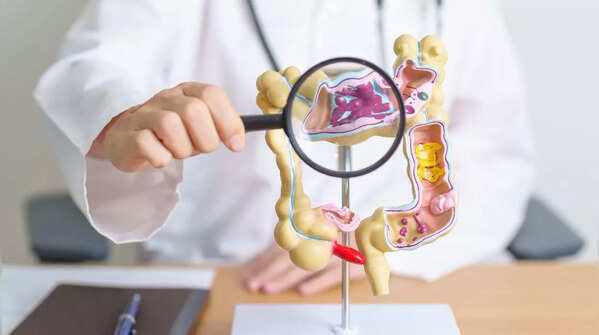
What lifestyle changes can lower your risk?
Colon cancer is no longer just an older person’s disease. In recent years, doctors have been sounding the alarm as more young adults under 50 are being diagnosed with colorectal cancer, a trend that has surprised both patients and experts. Projections suggest that if the current pace continues, this cancer could become the leading cause of cancer-related deaths in young adults worldwide by 2030.
For decades, colorectal cancer was considered an age-related illness, largely kept in check among older populations thanks to better screening programs and lifestyle awareness. But now, high-income nations like the United States, Australia, and parts of Europe are reporting rising numbers in younger groups. Similar patterns are also emerging in Asia and Latin America, pointing to a global problem.
The shift has researchers looking closely at modern lifestyles, sedentary routines, processed diets, alcohol, and smoking, all factors that may be raising risks earlier in life.
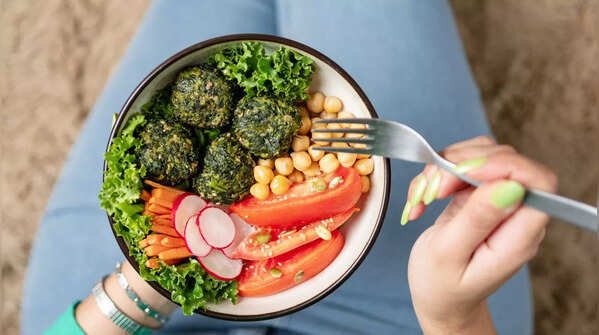
Eat more fiber and plant-based foods
A diet rich in fruits, vegetables, legumes, and whole grains does more than just keep digestion smooth—it protects the colon. Fiber feeds healthy gut bacteria, helps prevent inflammation, and keeps waste moving efficiently through the intestines. Diets high in fiber are linked to a lower risk of colorectal cancer.

Cut back on red and processed meats
While an occasional steak isn’t dangerous, making red and processed meats a daily staple can increase the risk of colon cancer. The World Health Organization classifies processed meats such as bacon, sausages, and hot dogs as carcinogenic, and regular consumption of red meat has also been tied to higher risk. Cooking methods matter too, charred and fried meats may release harmful compounds.

Limit alcohol and avoid smoking
Drinking and smoking remain two of the most preventable causes of colorectal cancer. Alcohol can irritate and inflame the lining of the digestive tract, while smoking introduces harmful chemicals that damage cells and DNA. A review by the National Cancer Institute confirmed that both behaviors are associated with higher colorectal cancer incidence. Experts recommend keeping alcohol intake within safe limits, up to one drink per day for women and two for men—and avoiding smoking altogether.

Support gut health through diet
Emerging research highlights the importance of the gut microbiome, the trillions of bacteria living in our intestines, in protecting against cancer. Foods like yogurt, kefir, walnuts, and cruciferous vegetables provide beneficial bacteria and compounds that support colon health. A study suggests that a diverse, plant-based diet helps cultivate a healthy microbiome that may lower colorectal cancer risk.
Featured In lifestyle

