
- News
- lifestyle
- health-fitness
- health-news
- Daily protein requirement: How much protein is too much protein?
Daily protein requirement: How much protein is too much protein?
What are the risks of consuming a higher dosage of protein?
Protein, which is frequently referred to as the "building block of life," is essential for sustaining biological processes. However, experts continue to disagree on what constitutes an ideal protein intake. While some promote consuming more protein, others caution against the possible health risks of doing so. Here is all you need to know about how much protein is too much in this article.
How important is protein?
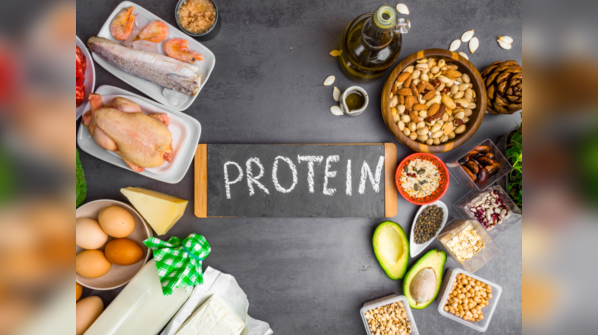
Protein is vital for growth, development, and tissue repair, serving as one of the three macronutrients alongside carbohydrates and fat. While recommended daily allowances exist, the ideal amount of protein varies based on factors such as weight, activity level, and overall health. Common recommendations hover around 0.8 grams per kilogram of body weight, with active individuals potentially requiring more to support muscle mass, as per Harvard Health.
Read also: 7 simple and positive things to try out this week
The debate on protein consumption
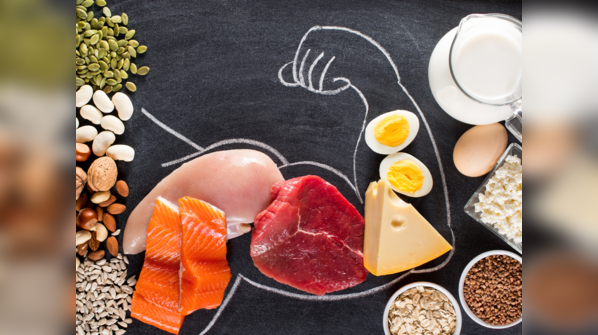
There are differing views on protein intake, with some advocating for levels double the standard recommendations. However, others argue that the average diet already contains excessive protein.
What are the risks of excessive protein intake?
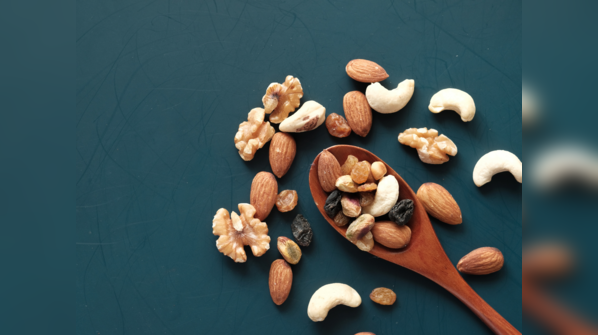
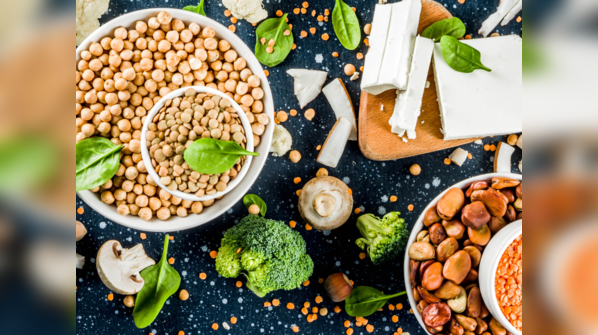
While protein is essential, consuming it in excess can pose health risks. High-protein diets, particularly those rich in red meat and saturated fats, have been linked to conditions such as kidney stones, heart disease, and colon cancer. However, plant-based protein sources may not carry the same risks, emphasising the importance of dietary choices.
What is the limit of protein intake?
Establishing a definitive limit for protein intake proves challenging due to ongoing research and differing expert opinions. While guidelines suggest aiming for no more than 2 grams per kilogram of body weight, specific thresholds may vary. Current recommendations advise against exceeding 35% of daily calories from protein, with potential consequences including dehydration, fatigue, and digestive issues.
Read also: 5 supplements for voluminous hair and combating hair fall
Understanding individual needs
Individual factors such as activity level, health status, and dietary preferences influence protein requirements. While some individuals, including athletes, may safely consume higher amounts of protein, others should exercise caution. Those with kidney issues, in particular, are advised to limit protein intake to avoid additional stress on the kidneys and potential complications.
Featured In lifestyle

