- News
- lifestyle
- health-fitness
- health-news
- Glaucoma awareness month: Why your eyes deserve attention (even if they feel fine)
Trending
Glaucoma awareness month: Why your eyes deserve attention (even if they feel fine)
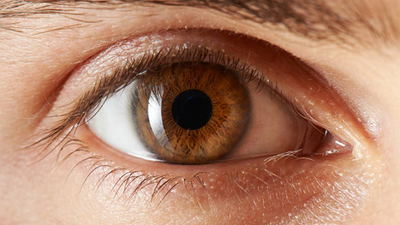
What exactly is glaucoma?
Who is most at risk of developing glaucoma, and at what age should people start getting screened?
Is glaucoma hereditary?
What are the most common myths or misconceptions about glaucoma that you hear from patients?

About the AuthorTOI Lifestyle Desk
End of Article
Follow Us On Social Media
Health +
Tired of too many ads?go ad free now
lifestyle videos
Featured In Lifestyle

Tired of too many ads?go ad free now



MORE FROM ETIMES
life & styleHot on the Web
Snake AttractsIkkis Box Office CollectionOldest Restaurants In IndiaSudha ChandranBaby NamesZoya AkhtarDhurandharOptical illusionMukesh ChhabraWorst Food For BrainBruce SpringsteenRanveer SinghBorder 2Millie Bobby BrownMark TwainAncient LanguagesTu Meri Main Tera Main Tera Tu MeriBha. Bha. Ba. CollectionErnest HemingwayAvatar Box Office CollectionMarlon BrandoKaun Banega Crorepati 17Sara ArjunDhurandhar Movie CollectionAkhanda 2 Full Movie CollectionBaby NamesSriram RaghavanDhurandhar Movie ReviewSnake SpeciesAkhanda 2 Movie ReviewPulchritude WordAncient EgyptRice Bran Vs Sunflower OilWinter Solstice 2025Horn Ok PleaseElon Musk Net WorthMark Zuckerberg LessonsShimla TravelsMagnesium Deficiency SymptomsOptical illusionOzempic
Trending Topics
Latest MoviesBollywood MoviesHollywood MoviesTamil Movies 2025Telugu Movies 2025Malayalam Movies 2025Kannada Movies 2025Marathi Movies 2025Bengali Movies 2025Top Rated Movies 2025Best Hindi MoviesBest English MoviesBest Telugu MoviesBest Tamil MoviesBest Malayalam MoviesBest Kannada MoviesBest Bengali MoviesUpcoming Hindi MoviesBest Movies Of All TimeBest Hindi Movies of All TimeLatest English MoviesLatest Malayalam MoviesEnglish TV NewsTamil TV NewsTelugu TV NewsMalayalam TV NewsKannada TV NewsMovie ReviewsBhojpuri Cinema NewsGujarati Cinema News
Popular Categories
Viral NewsK Pop NewsWeb Series NewsAnime NewsUpcoming English MoviesUpcoming Tamil MoviesUpcoming Telugu MoviesUpcoming Malayalam MoviesUpcoming Kannada MoviesFashion TipsTravel NewsEntertainment NewsBollywood NewsTollywood NewsKollywood NewsMollywood NewsFood NewsLatest Hindi MoviesLatest Tamil MoviesParenting TipsHome RemediesWeight LossBeauty TipsParenting TipsHindi VideosHindi Video SongsBhojpuri Music VideosLatest Telugu MoviesBhojpuri Music VideoHindi TV News
Latest News
Critics Choice Awards 2026: 'One Battle After Another', 'Sinners', 'KPop Demon Hunters', 'Adolescence' win top honoursDelhi goes green & gleaming: Civic plan to boost parks, roads, art, lighting; MCD to finish by Jan 31Russia-Ukraine war: Attacks escalate with fresh strikes in Kyiv; 2 civilians killedBareilly violence: Witness alleges Rs 5 lakh contract to silence him; one arrestedMichael B. Jordan reveals he had to go to therapy after ‘Black Panther’: ‘I was still learning that I needed to decompress’Shubman Gill wants 15-day camps prior to every Test seriesScorpio Yearly Horoscope 2026: The Year of Networking, Patience and PlanningSamsung plans to double Gemini-powered AI devices to 800 million in 2026, says co-CEO T M RohMalayalam actor Kannan Pattambi passes away at 62; funeral today at NhangattiriUrvashi Dholakia says 'Darjeeling u have our hearts' after a fun girls trip with Ektaa KapoorRupee continues to fall! Currency drops 4 paise in early trade; reaches 90.24 against US dollarSom-Pushya Yoga Jan 5: The Most Auspicious Monday of 2026 for Wealth, Gold, and New BeginningsDeadline ends: 27L Maharashtra vehicles yet to adopt high security registration plates; RTOs to begin enforcementThought of the Day: “Children grow best where calm is practised daily”Rajasthan Forest Guard recruitment 2025: 785 posts announced, eligibility, exam pattern and key details here“Not a shock to me”: Michael Porter Jr gives candid reaction as he returns to NBA following constant injury setbacksParrot deaths in Madhya Pradesh: Food waste and pesticide poisoning along the Narmada raise human health concerns and safety risksIndustrialist Jaidev Shroff granted divorce after 11-year legal battle, to pay Rs 10 crore alimony; wife’s plea for enhanced maintenance dismissed