
- News
- lifestyle
- health-fitness
- health-news
- Harvard study finds one-third of Delhi’s PM2.5 is ammonium sulfate: What is it and how harmful is it for human health
Harvard study finds one-third of Delhi’s PM2.5 is ammonium sulfate: What is it and how harmful is it for human health
Harvard study finds one-third of Delhi’s PM2.5 is ammonium sulfate: What is it and how harmful is it for human health
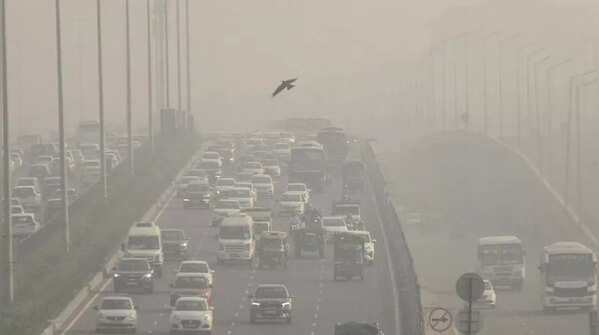
A big new study, with researchers from Harvard and CREA, just uncovered something troubling about Delhi’s air: almost a third of the city’s PM2.5 — the really fine, dangerous air pollution — is actually ammonium sulfate. The twist? This stuff forms in the air itself, not straight from tailpipes or smokestacks. That changes how we look at Delhi’s smog. Turns out, there’s a hidden chemical driver making things worse for millions of people.
The details are even more striking. When Delhi’s pollution is at its worst — right after the monsoon and through winter — ammonium sulfate makes up as much as 49% of PM2.5. In the winter, it’s around 41%. So the haze isn’t just dust or smoke you can see. It’s also invisible chemistry, where gases like sulfur dioxide (from burning coal and diesel) and ammonia (mostly from farms and fertilizer) mix in the air and turn into these tiny, harmful particles.
What is ammonium sulfate and how does it form?
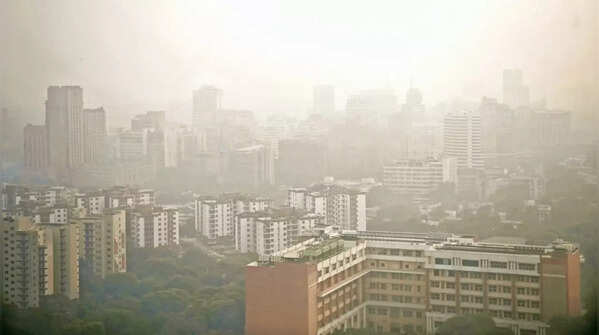
So what exactly is ammonium sulfate? It’s what scientists call a secondary inorganic aerosol. Instead of coming out of a factory chimney or a car’s exhaust, it forms when sulfur dioxide (SO2) and ammonia (NH3) meet in the atmosphere. Coal power plants, industries, and diesel engines spit out SO2. Meanwhile, farms add ammonia through fertilizer and animal waste. When these gases float around together, especially when it’s humid and cool, they react and create microscopic bits of ammonium sulfate: smaller than 2.5 micrometres across. These particles linger in the air for ages and slip right into your lungs when you breathe.
Why Delhi’s PM2.5 pollution is worse than it looks
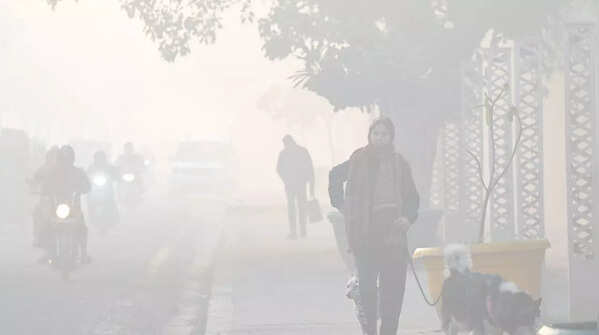
For years, Delhi’s pollution control focused on what people could see — dust, smoke, exhaust, stubble burning. But this research shows a big chunk of the problem comes from chemical reactions in the air, not just visible sources. So, cracking down only on what you can see won’t fix it. You also have to control the gases that kick off these reactions — like SO2 and ammonia. And this isn’t just a Delhi problem. Across India, ammonium sulfate and other “secondary” particles make up anywhere from 17% to 42% of PM2.5, depending on the state.
How harmful is ammonium sulfate to human health?
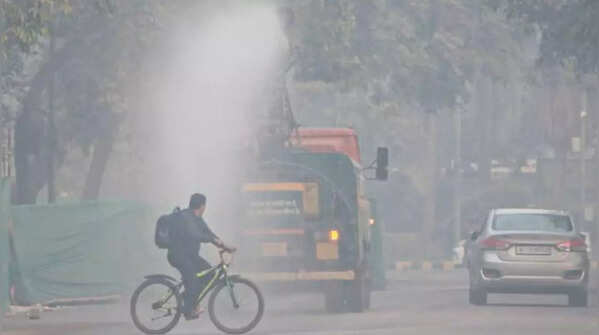
Why does this matter? PM2.5 is already notorious for getting deep into your lungs and even your bloodstream. But some studies show that not all PM2.5 is equally toxic. The ammonium-containing kind might actually be worse for health — linked to more deaths than some other types, and especially rough on the lungs and heart. Doctors in Delhi are already seeing more asthma, congestion, lower lung capacity, and heart issues during bad air days. The new science just connects the dots.

Why this matters for everyday life in Delhi
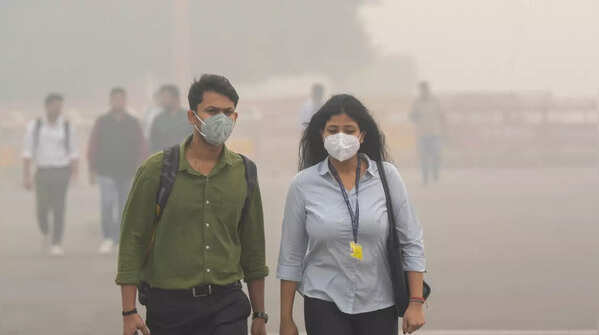
For people in Delhi, this means everyday life gets riskier during those smoggy winter months. Just walking to school or heading to work can be dangerous, especially for kids, older folks, or anyone with health problems. The risks aren’t just about coughing or wheezing. There’s a real impact on heart health and even long-term lung development in children.
In fact, regardless of the source, exposure to PM2.5 is correlated with numerous health problems:
- Respiratory ailments like asthma and bronchitis, along with reduced lung function.
- Increased cardiovascular risk factors (heart attacks or strokes) among seniors and/or those having other medical conditions.
- Lung development in young children is adversely affected; longer-term increase in the likelihood of dying due to excessive exposure to PM2.5.
Additionally, since the air pollutants ammonium sulfate are common during "bad air days," walking to school and commuting are additional potential hidden dangers for our most vulnerable neighbours, clients, or scientific test subjects (e.g., kids, older adults, and those with existing medical conditions) during those months of winter, when the air quality is typically very poor.
What can be done?
So, what can actually help? On the policy side, experts push for stricter rules to cut down on those precursor gases, especially sulfur dioxide and ammonia. Installing flue gas desulfurization units in power plants, for example, can slash SO2 emissions right at the source, which then stops ammonium sulfate from forming later.
On a personal level, people can protect themselves by using certified air purifiers at home, wearing good-quality masks on bad air days, and supporting policies that go after both local and regional pollutants. In short, fixing Delhi’s air takes more than just cleaning up what we can see. It’s about tackling the chemistry happening in the air all around us.
Featured In lifestyle

