
- News
- lifestyle
- health-fitness
- health-news
- Stroke risk: Beware! Indian scientists warn exercise may trigger stroke if you have blocked arteries
Stroke risk: Beware! Indian scientists warn exercise may trigger stroke if you have blocked arteries

When exercise can be detrimental for you
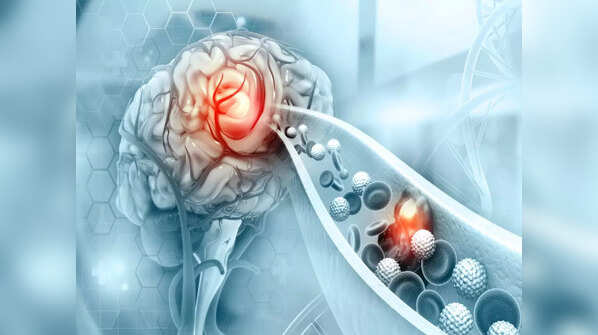
Exercise is an important part of staying healthy. However, in some cases, exercising can prove detrimental to your health. In a new study published in Physics of Fluids journal, researchers have found that exercise could trigger a stroke among people who have blocked arteries.
About the research
Researchers from the Indian Institute of Technology (IIT) Kharagpur have found that an increased heart rate can induce a stroke in patients with highly blocked carotid arteries. These are the arteries that supply blood to the brain. They added that for healthy patients and those with only slightly blocked arteries, exercise is still beneficial for maintaining healthy blood flow.
How deposits in arteries put you at risk?
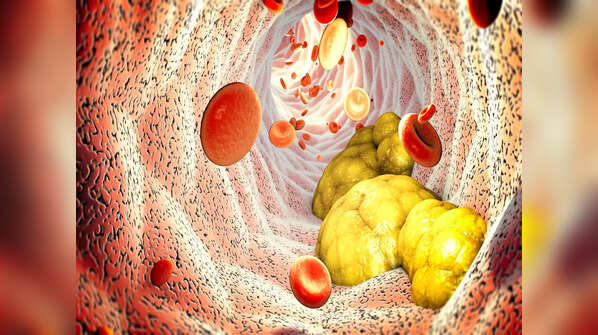
Carotid arteries supply blood flow to facial tissues and the brain. When fat, cholesterol, and other particles build up in the inner carotid walls, they form a plaque that narrows the arteries. This is called stenosis, and is dangerous because it limits blood flow to your brain. Without the necessary blood flow, the brain lacks oxygen and the patient is likely to suffer a stroke.

How elevated heart rate benefits healthy patients
If you are healthy and do not have blocked arteries, then exercise and elevated heart rates are beneficial for you. In healthy patients, an elevated heart rate increases and stabilizes the drag force blood exerts on the vessel wall, reducing risk of stenosis. However, it may not help those who are already experiencing stenosis, and may even be harmful.
Factors that increase stroke risk
It is important to be aware of factors that can put you at risk of stenosis and stroke. These primarily include age, lifestyle, and genetics. It is recommended to get your arterial health checked regularly, especially if you do intense workouts. For those who have moderate to severe stenosis or a history of strokes, it is important to follow an exercise regime prescribed by your doctor.
Signs of stroke
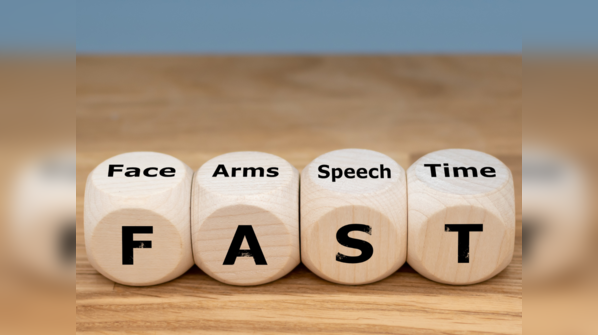
Here are some common signs of stroke that should be addressed with immediate medical attention.
- The person's face may have dropped on one side, they may be unable to smile
- The person with suspected stroke may not be able to lift both arms
- Their speech may be slurred or garbled, or they may have problems understanding what you're saying to them
Featured In lifestyle

