
- News
- lifestyle
- health-fitness
- health-news
- Study finds link between gut microbiome and serious allergies seen in kids
Study finds link between gut microbiome and serious allergies seen in kids

Research finds link between serious childhood allergies
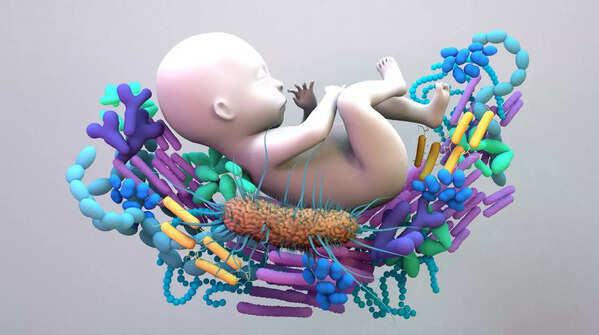
A recent research published in the Nature communications journal, has revealed that various major childhood allergies can be blamed upon the community of bacteria living in our gut. According to the study led by experts at the University of British Columbia and BC Children’s Hospital, these four common allergies, eczema, asthma, food allergy and/or hay fever that are developed in a child, are associated with gut microbiome features and early life influences.

Here's what the expert says
The co author of the study, Dr Stuart Turvey told ANI, “We're seeing more and more children and families seeking help at the emergency department due to allergies.” Turvey, who is a professor in the department of paediatrics at UBC and an investigator at BC Children's Hospital Research Institute added, “Hundreds of millions of children worldwide suffer from allergies, including one in three children in Canada, and it's important to understand why this is happening and how it can be prevented."
Dr Charisse Petersen, co-senior author on the paper and postdoctoral fellow in the Turvey lab was quoted by ANI, “These are technically different diagnoses, each with their own list of symptoms, so most researchers tend to study them individually. But when you look at what is going wrong at a cellular level, they actually have a lot in common.”
Do you get regular headaches in the morning? 8 reasons why this could be happening
What does the study include?
This study is the first time ever that four different school-aged paediatric allergies at one go. All the four allergies have unique symptoms each. The researchers were focused on whether a common origin between these allergies can be found which can be linked to the composition of infant gut microbiota. The research included in the clinical examination of 1,115 children. These children were tracked and right from their birth up until when they turned five years of age. More than half of the total participants (592) were diagnosed with allergies (one or more) by a physician. The microbiomes present in the children were evaluated from the stool samples that were collected at the age of three months and one year.
What did the samples reveal?
The stool samples that were collected from the participants were studied and revealed that the bacterial signature seen in the stool samples was linked to the children getting any of the four allergies by the time they turned five. The bacterial signature is a symptom of dysbiosis, or an unbalanced microbiota in the gut, which most likely led to a damaged intestinal lining and an inflammatory response. A research mentioned on the US National Institutes of Health’s website said, infant development is significantly influenced by the gut microbiota, which also has an impact on brain, endocrine, and immune systems. Infant microbial colonization patterns have the ability to affect physical and neurocognitive development as well as life-course disease risk due to significant physiological influence.
What are factors that shape our gut health?
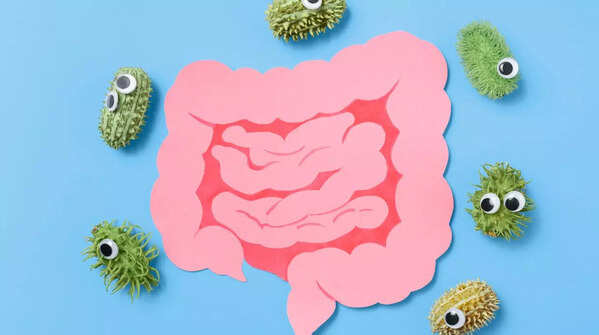
There are certain unknown and some known factors that affect the microbiota in an infant's stomach. Some known factors include, diet, the way we are born, where we live, and our exposure to antibiotics. For instance, although breastfeeding tends to replace and provide the essential food for bacteria in the infant's intestines, antibiotics may wipe out sensitive bacteria. As per the researches of the study these elements put an impact on the gut microbiota balance and allergy development in children.

Prevention techniques
The findings of the study have opened a door for the researcher to predict if a child will develop allergies and suggest some ways that it can be prevented. The researchers will use these findings to inform about the treatments to correct the imbalance that is created in the gut microbiota. Therefore, creating treatments that alter these interactions early in childhood may avoid the emergence of a variety of allergy illnesses in childhood, which frequently last for a lifetime.
Featured In lifestyle

