
- News
- lifestyle
- home-garden
- 5 effective ways to keep house flies away from home and prevent yourself from falling sick
5 effective ways to keep house flies away from home and prevent yourself from falling sick
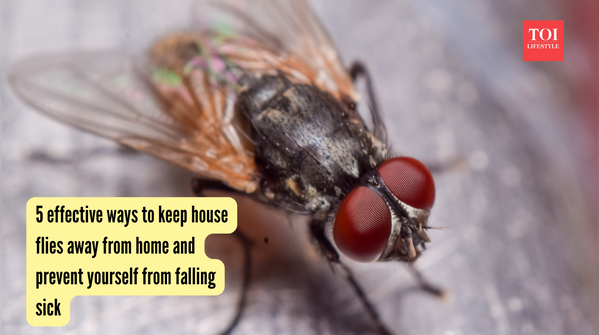
5 effective ways to keep house flies away from home and prevent yourself from falling sick
Are you tired of hearing buzzing houseflies in your house all day long?
Whenever you sit down to work or are engrossed in reading your favourite novel, an instant buzz irritates you so much that it disturbs your flow and makes the experience irritating.
They buzz around food, gather near garbage, and seem to appear in large numbers during warmer months. Beyond being annoying, flies can also carry bacteria from waste and contaminated surfaces onto kitchen counters, fruits, and meals. That is why keeping them away is not only about comfort but also about maintaining a cleaner and healthier living space.
Here are five practical and effective ways to keep house flies away from your home naturally and safely.
Disclaimer: The remedies and tips mentioned in this article are meant for general household use and may not completely eliminate severe fly infestations. Results can vary depending on cleanliness, climate, and the level of infestation. If the problem continues or becomes unmanageable, it is best to consult a professional pest control service.
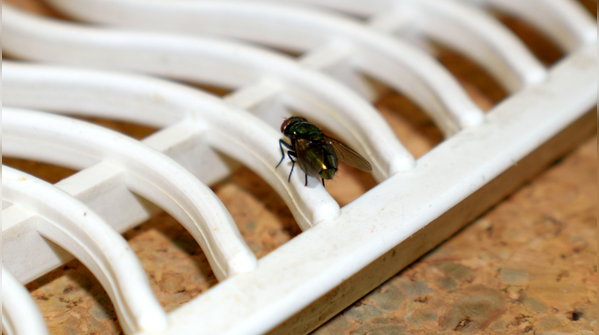
Keep your home clean and dry
One of the most effective ways to stop house flies is by removing what attracts them. Flies are drawn to uncovered food, overflowing garbage, damp areas, and organic waste.
Cleaning kitchen counters regularly, sealing trash bins tightly, and washing dishes quickly can reduce fly activity indoors. Do not leave food uncovered on dining tables or kitchen counters for long periods to avoid attracting more of them into the house.
Clean up pet waste promptly because flies often lay eggs in decaying material. It is also important to clean damp areas of the house, as flies often find such environments favourable for survival and breeding. A clean and dry home removes the environment that flies need to survive and reproduce.
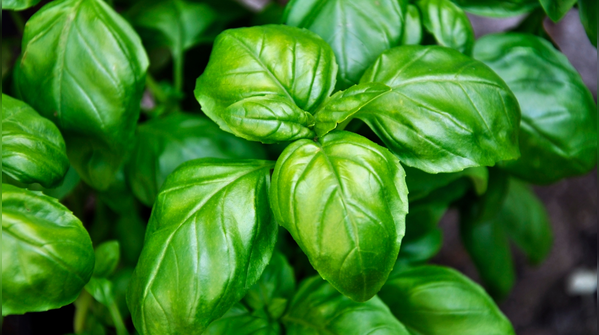
Use herbs and flowers as natural repellents
Some herbs and flowers naturally repel flies because of their strong scents. Plants such as basil, lavender, marigold, and parsley are commonly placed near windows, balconies, or kitchen areas to discourage flies from entering the home. Basil is especially known for helping keep flies away from food spaces. Lavender and marigold also release fragrances that many insects dislike.
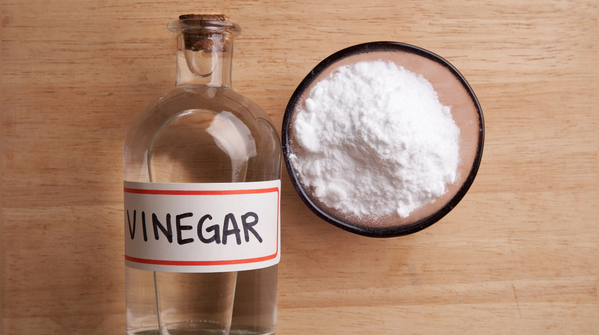
Try a vinegar and dish soap trap
A homemade vinegar trap can help reduce fly numbers naturally, especially fruit flies. To make it, mix equal parts water and vinegar in a glass or bowl, then add a few drops of dish soap. Cover the container with plastic wrap and poke small holes on top. Flies are attracted to the vinegar smell and enter through the holes. The dish soap breaks the liquid’s surface tension, causing the flies to sink instead of escaping. This simple trap is inexpensive, easy to prepare, and useful for kitchens and dining areas.
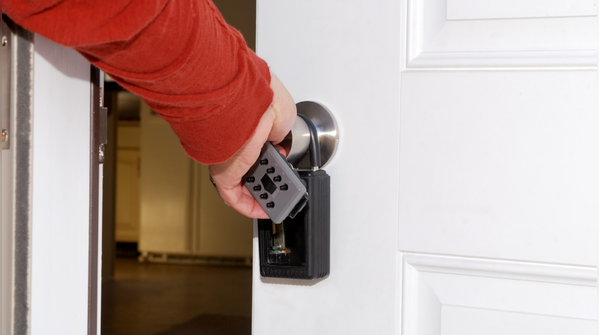
Block flies from entering your home
Preventing flies from entering is often easier than removing them later. Installing window and door nets, repairing torn mesh, and keeping doors closed can significantly reduce the number of flies indoors.
Bright lights near open windows at night can also attract flies, so limiting unnecessary outdoor lighting may help.
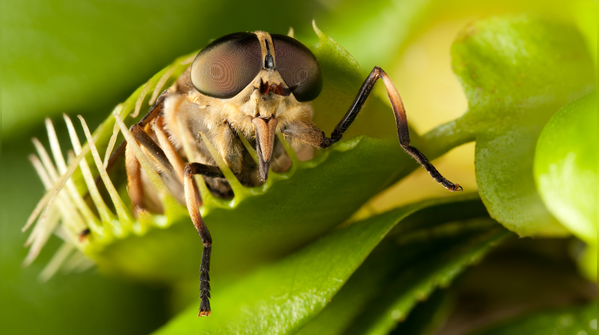
Use natural traps and insect-eating plants
Natural traps and insect-eating plants can help manage fly problems without using many chemical sprays. Venus flytraps, for example, are carnivorous plants that naturally capture and digest insects. Although they work best in small numbers, they can still help indoors or on balconies.
Featured In lifestyle

MORE FROM ETIMES
life & style