
- News
- lifestyle
- home-garden
- From eggshells to banana peels: 5 kitchen waste items for a healthy balcony garden
From eggshells to banana peels: 5 kitchen waste items for a healthy balcony garden
From eggshells to banana peels: 5 kitchen waste items for a healthy balcony garden
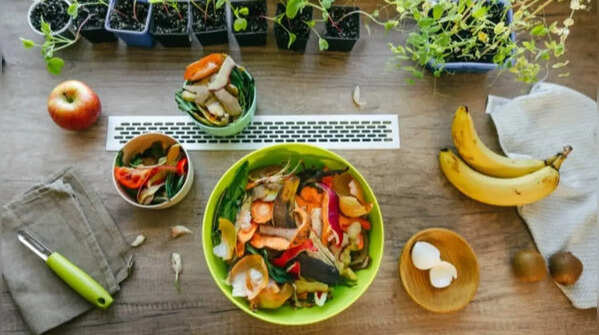
As balcony gardening continues to gain popularity among many people across the world, it becomes increasingly necessary to pay attention to natural and sustainable ways of nurturing the plants. It may seem surprising to many, but often, the most effective fertilizers are not found in the stores. On the contrary, the most effective means of providing your plants with additional nutrients are products found in each home's kitchen waste bin. This is why it makes sense to find ways to reuse everyday kitchen waste to ensure that your balcony gardens grow strong. Below is the list of five types of kitchen waste items that will contribute significantly to the development of your balcony garden.
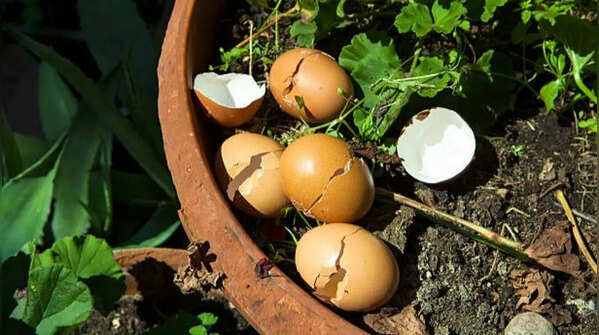
Eggshells for calcium supplementation
Eggshells contain calcium, which is crucial in strengthening cell walls and promoting plant growth. Crushed eggshells mixed with soil can provide plants with necessary nutrients in the process of decomposition. Eggshells are especially recommended for plants such as tomatoes and chillies, as they need a lot of calcium in their diet.
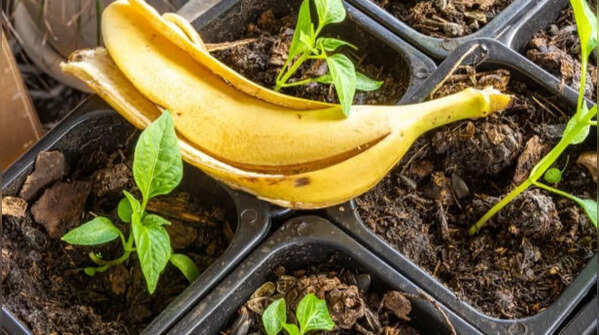
Banana peels for improved blooming and growth
Banana peels provide your plants with potassium and phosphorus, nutrients that help with blooming and producing fruits. Peels should be chopped into small pieces and either buried into the soil or used to create fertilising water. The former option ensures prolonged positive effects on plants' health, while the latter provides an instant impact.
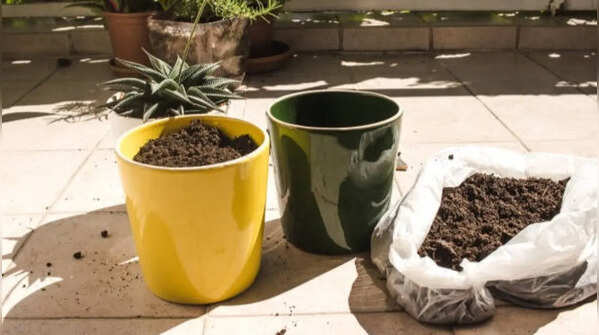
Coffee grounds for enhancing soil quality
Coffee grounds are useful because they increase soil acidity. Besides, this food waste type contains enough nutrients to help plants grow stronger and healthier. However, you should be careful when adding coffee grounds into the soil, ensuring you use it moderately.
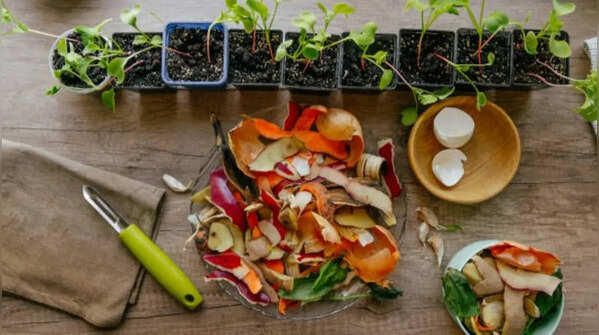
Vegetable peels for creating compost
Carrots, cucumbers, and potatoes contain many vital nutrients that can be extracted through the process of composting. Creating your own compost is easy, even in such a limited space as a balcony. Additionally, this way of dealing with your vegetable peels will provide your plants with nutrients needed for their healthy growth and blooming.
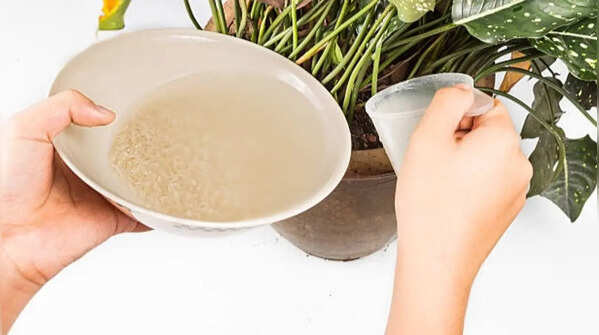
Rice water for mild fertilization
Water used for washing rice is enriched with essential nutrients, which can promote plant growth and enhance soil quality. As long as the rice water is allowed to cool off and loses its excess salt, it can be effectively used to fertilize your plants and provide them with all the necessary elements.
Featured In lifestyle

MORE FROM ETIMES
life & style