
- News
- lifestyle
- home-garden
- From lemongrass to tulsi: 7 plants that may help keep snakes away
From lemongrass to tulsi: 7 plants that may help keep snakes away
From lemongrass to tulsi: 7 plants that may help keep snakes away
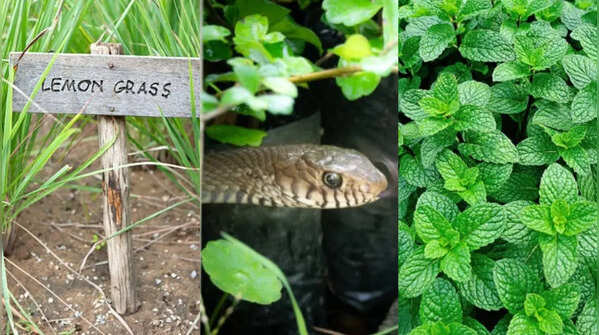
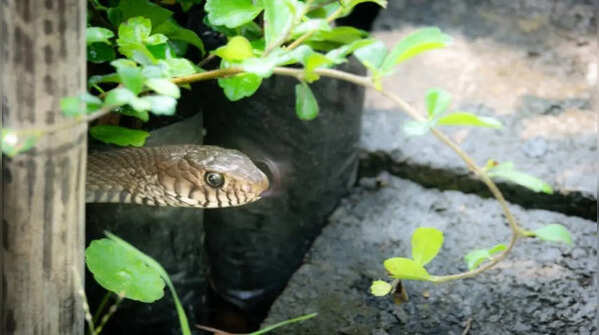
Snakes have significant importance for the ecosystem as they help maintain rodent control naturally. Many household owners continue to find safe and natural ways of lowering snake presence around gardens and outdoor places, particularly during summers and monsoons. Although no plant can ensure full-proof safety against snakes, certain outdoor plants are considered helpful in discouraging their presence due to their smell, texture, or impact on rodent population around homes. Wildlife experts recommend paying attention to hygiene and sanitation rather than planting specific plants as effective methods of controlling snake presence. Here is the list of seven outdoor plants considered useful for reducing snake presence near homes.
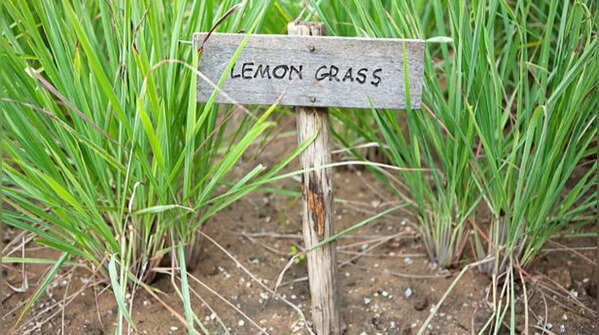
Lemongrass – the plant with a strong fragrance preferred by many homeowners
Many homeowners consider lemongrass as an effective means of deterring snakes because of its citrusy smell. Additionally, lemongrass has citronella oil that is often used in making mosquito repellents. Homeowners tend to plant lemongrass along pathways, fences, and boundaries since this plant helps make the surrounding areas unpleasant for pests. Beyond its culinary uses, lemongrass is easy to grow outside in Indian weather conditions.
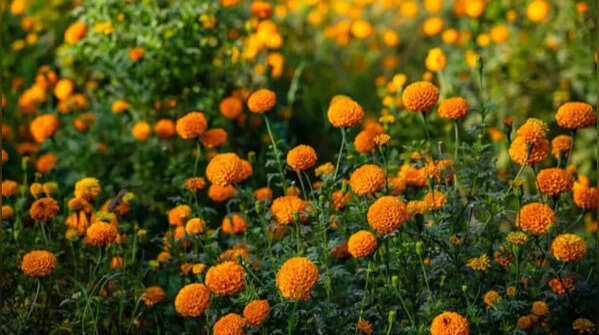
Marigold – the fragrant flowers popular among Indians
Gardeners and homeowners in India plant marigolds for decorative purposes and to repel pests and insects due to their strong smell. Marigolds are also planted in gardens and vegetable patches because of their effectiveness in reducing pest populations. In addition to beautiful flowers and the ability to bloom for long periods, these plants can survive well in warm climate conditions.
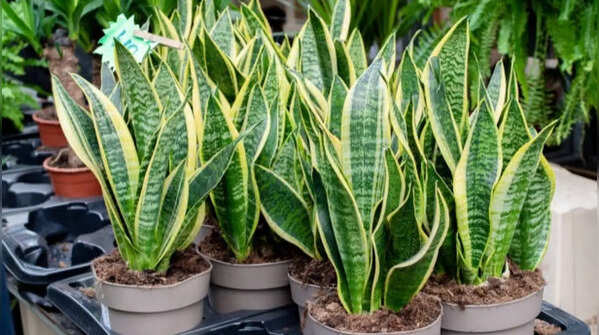
Snake plant – the plant with a sharp leaf texture
Although called a snake plant, this ornamental plant is believed to discourage snakes due to its sharp and spiky leaves. The plant's rigid and tall leaves can create obstacles for movement, and many gardeners plant snake plants around walkways, gates, and boundaries as decorative elements. Snake plants can resist high temperatures and do not need frequent watering.
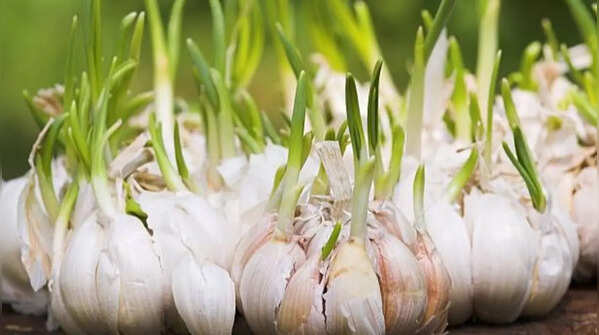
Garlic – the kitchen plant with a distinctive smell
Garlic has long been considered a plant that can repel several insects and pests. Some gardeners also claim that snakes dislike the strong smell of garlic and therefore do not enter spaces where it is used densely. Besides, garlic requires moderate sunlight and regular watering to grow well in the soil and remain fresh. Apart from its reputation among gardeners, garlic has gained popularity in Indian kitchens.
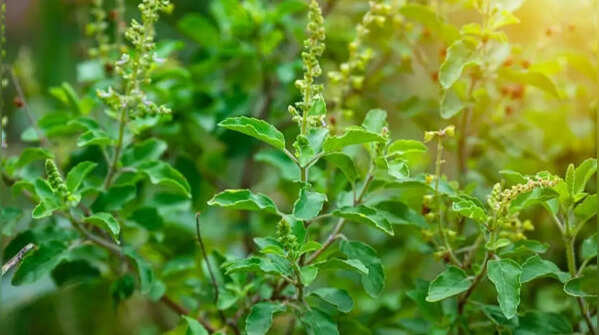
Tulsi – the religious plant common in Indian homes
The sacred tulsi is commonly cultivated in Indian families due to its religious significance and various health benefits. Many people believe that its strong fragrance may help repel pests around houses. Since this aromatic plant also attracts butterflies and other pollinators, it can be successfully grown outdoors in the courtyard or balcony. Moreover, properly maintained plants also make homes more ventilated.
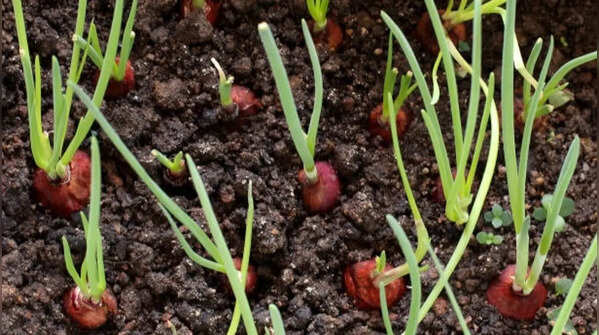
Onion – yet another plant with a powerful fragrance
Just like garlic, onions have been considered useful in deterring snakes due to their strong smell. Some homeowners tend to plant onions together with other crops and vegetables at the border of their gardens. Onion plants can be grown easily in Indian climate with sufficient sunlight and regular watering. As for the effectiveness of such practice, there is no scientific evidence to prove its usefulness.
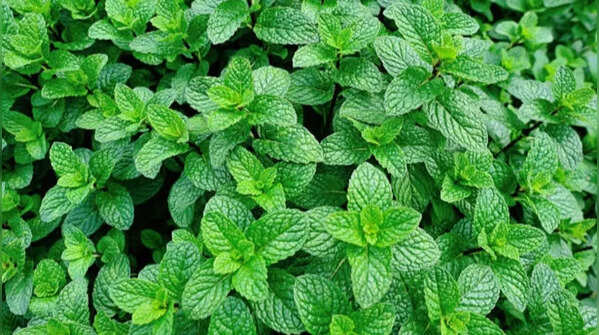
Mint – the spreading herb with a characteristic smell
Mint has become quite popular in gardens due to its pleasant smell and rapid growing ability. Some gardeners also believe that mint plants' smell might make pests feel uncomfortable and leave their homes. Mint plants spread rapidly and easily in outdoor containers and flower beds with sufficient watering. Apart from its alleged pest-related qualities, mint has gained popularity in culinary applications.
Disclaimer:
This article is for general informational and gardening awareness purposes only. There is limited scientific evidence proving that any plant can completely repel or prevent snakes from entering an area. Snake presence near homes may depend on factors such as rodents, water sources, clutter, overgrown vegetation, weather conditions, and surrounding habitat. These plants should not be considered guaranteed snake repellents or substitutes for proper wildlife safety measures. For snake sightings or wildlife concerns, readers are advised to contact local forest officials, wildlife rescue organizations, or authorized animal control authorities for safe assistance.
Featured In lifestyle

MORE FROM ETIMES
life & style