
- News
- lifestyle
- home-garden
- How to grow apple plant in a pot (Simple step-by-step guide for beginners)
How to grow apple plant in a pot (Simple step-by-step guide for beginners)
How to grow apple plant in a pot (Simple step-by-step guide for beginners)
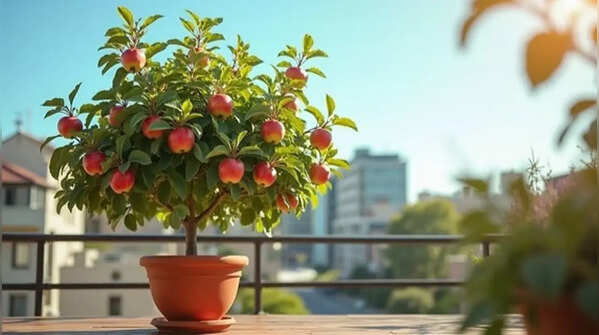
Planting an apple tree at home may seem like a challenging idea, but nowadays, gardeners are able to cultivate compact apple trees in pots easily. Thanks to the availability of proper plant varieties and favourable growing conditions, people manage to create apple trees even on balconies, terrace gardens, and backyard areas. Experts often suggest choosing dwarf varieties of apple trees for growing in pots due to their compactness and productivity. Though in comparison with other plants, apple trees require some time to start producing fruit. However, many people consider the process very satisfying and interesting. The following is a simple guide to help beginners grow an apple plant in a pot.
Choose a dwarf Apple Tree variety suitable for pots
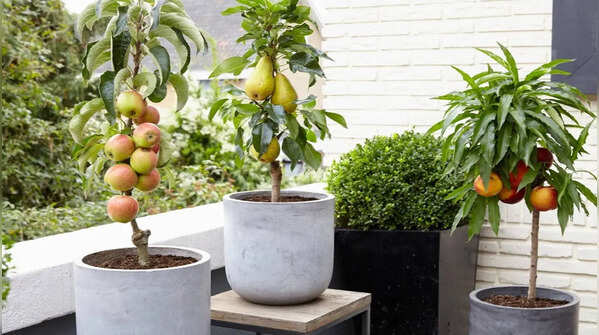
The most critical thing to be done is selecting a proper variety. People may choose between regular and dwarf varieties of apple trees; however, it is recommended to plant a dwarf apple tree into a pot due to its compactness and size. Growing grafted apple plants from saplings is considered easier and more convenient compared to growing plants from seeds. Moreover, grafted plants can start producing fruits faster.
Select a large pot with proper drainage
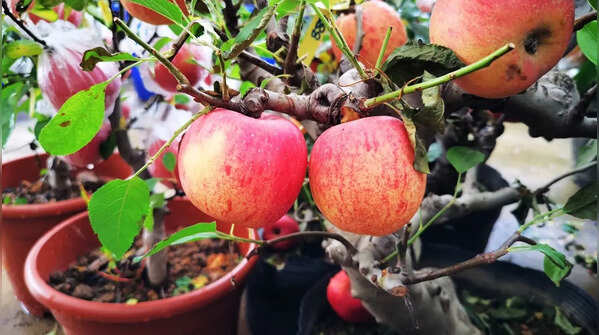
For proper growth and development, the plant needs to have enough root space, which means that the container must be big. Experts recommend purchasing large pots with sufficient depth, about 18-24 inches. Besides, containers should include good drainage holes to avoid possible accumulation of excess water that may lead to root rot. Moreover, to facilitate water circulation, gardeners may place stones or broken pot pieces under the soil layer.
Use nutrient-rich, well-draining soil mix
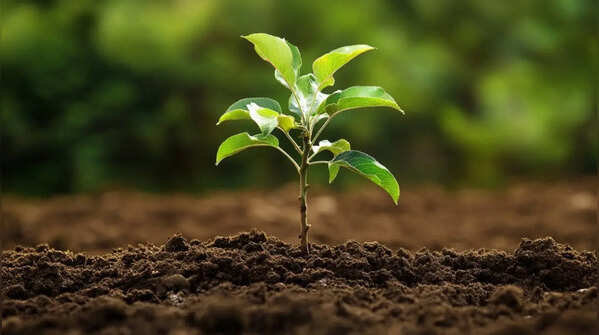
Healthy soil is extremely important to obtain healthy plants. To create a perfect potting mix, one may use garden soil, compost, and some sand. It is necessary to provide the plant with fertile soil that allows roots to develop easily, so it would be better to prepare slightly fertilized soil with better aeration and drainage. Occasionally, adding compost to the potting mix could be helpful as well.
Keep the plant in full sunlight daily
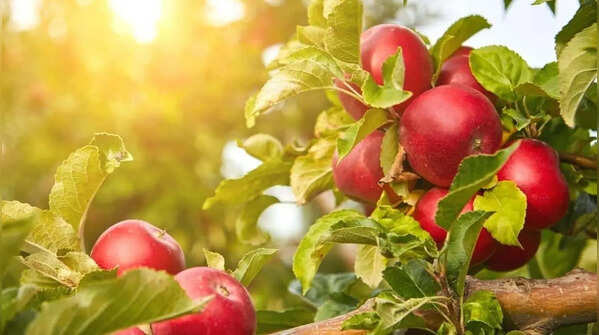
An apple tree should be planted where there is enough sunlight, since light is required for the plant to produce fruit. To grow healthy plants, it is crucial to keep potted apple trees near places with enough lighting (about six to eight hours per day). If it is not possible to find such a place outdoors, then one may use artificial lights. Regular rotating of the pot could be useful too.
Water carefully and prune regularly
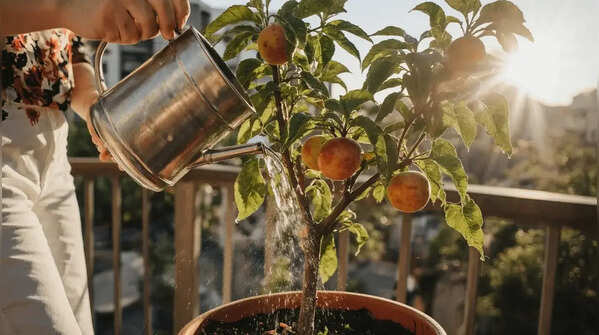
It is necessary to water an apple plant on a regular basis but not too often, otherwise the roots might be damaged by excess water. When watering, one should make sure that there is no stagnant water left. In case of hot weather, it might be required to water plants frequently, but in winter, there would be no need to water them often. Pruning can be rather useful, too.
Be patient because fruiting takes time
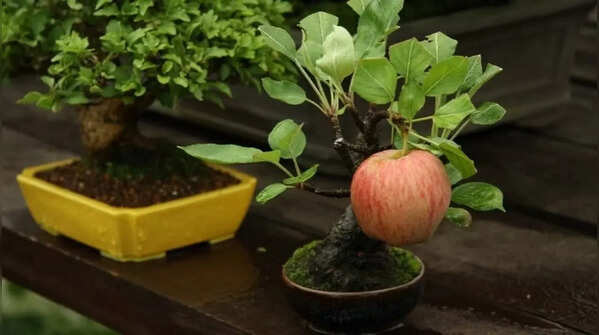
The final advice that could be given to beginners is to be patient enough, because it is quite impossible to see the results soon. Depending on the selected plant variety, growing an apple tree may take a certain amount of time to produce any flowers or fruits. However, proper growing conditions will contribute to the successful development of the plant.
Disclaimer:
This article is for general informational and gardening awareness purposes only. Apple plant growth and fruit production may vary depending on climate, sunlight, soil quality, watering habits, and regional environmental conditions. Readers are advised to consult local gardening experts or horticulture professionals for plant-specific care guidance.
Featured In lifestyle

MORE FROM ETIMES
life & style