
- News
- lifestyle
- home-garden
- How to identify a Black mamba snake in your home and garden
How to identify a Black mamba snake in your home and garden
How to identify a Black mamba snake in your home and garden
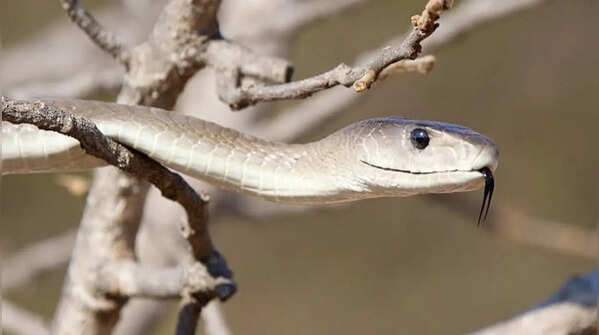
The black mamba is one of the world's most famous venomous snakes, known for its incredible speed and alert behaviour. These venomous snakes are predominantly found in specific parts of Africa and normally avoid contact with humans. Many people tend to panic after seeing a long, dark snake around their homes or garden areas. Often, it happens because many other harmless snakes may resemble the black mamba. Knowledge about their looks, characteristics, and typical hiding places would be helpful in such situations. Here are some of the important cues that might help identify this reptile around residential areas.
The shape – long, thin, and smooth
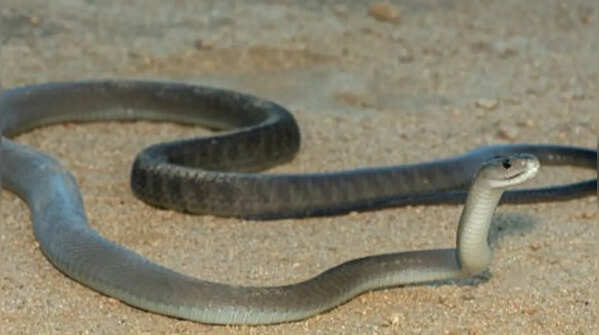
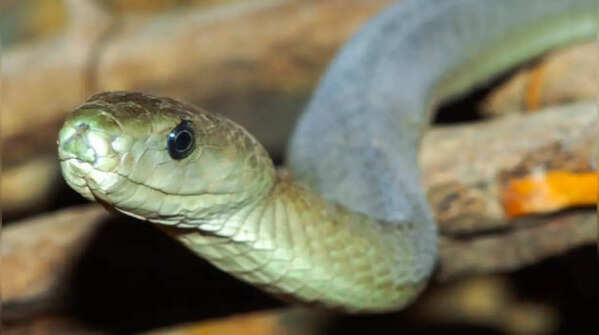
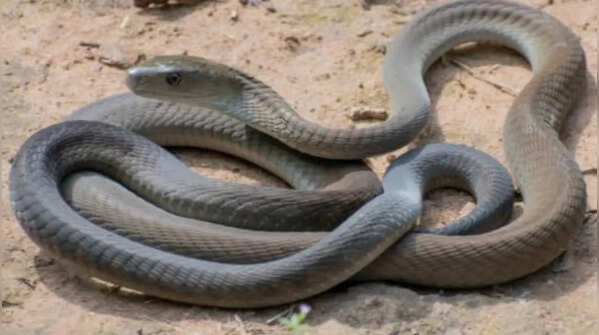
One of the characteristic features of the black mamba is its long and thin body that is quite smooth and resembles a sleek one. Their bodies do not look stocky and heavy like the bodies of most other snakes. Due to the slimness of the body and quick movements, the black mamba appears larger than it really is in garden spaces.
The color—not necessarily black
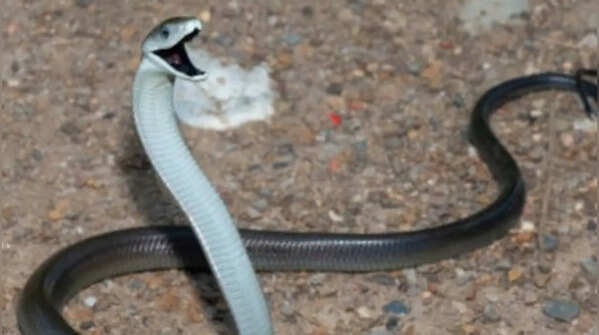
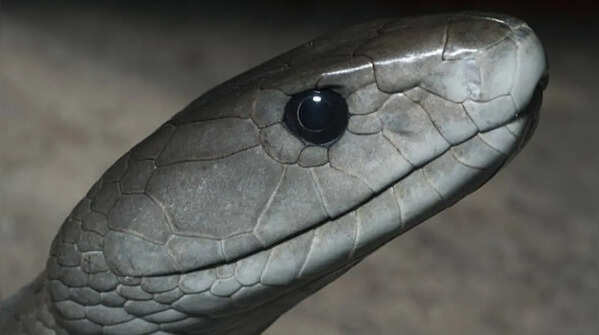
Contrary to popular belief, this snake's color is hardly ever jet black. They can either appear dark grey, grey, or light grey depending on their age and weather conditions. The reason why the snake got its name is the dark color of its inside mouth. The snake opens its mouth while trying to protect itself, revealing its blackish color inside. This snake's dull color is perfect for camouflaging around dry leaves and stones.
Garden spots where they can easily hide
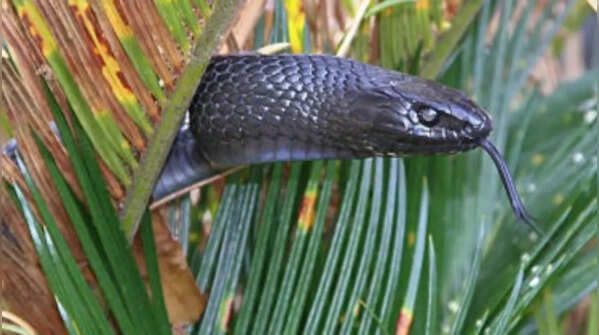
As is the case with most other snakes, black mambas tend to seek secluded places to hide and find food. Spaces such as overgrown bushes, piles of stones, wood, compost, and dry leaves might attract black mambas in search of shelter. In addition, they may disappear between gaps of sheds, in unused pipes, or in rock cracks.
Signs that may suggest a snake is around
Although it is rather hard to find evidence of the presence of snakes, there are still some signs that could point to it. Unusual movements among dry leaves, shed skins of snakes, strange silence among the birds, or increased rodents' activity might suggest the snakes are around. It may happen that pets would also behave unusually when they see something in a bush.
Stay calm and never attempt to capture a snake
If you see a snake that resembles a black mamba, your best strategy is to keep a distance from the reptile. It may be extremely dangerous to chase, scare, or catch a venomous snake. Black mambas prefer to escape rather than attack humans. Professional snake-catchers must always be called in case of necessity.
Disclaimer:
This article is for general informational and educational purposes only. The identification tips shared here are based on commonly known characteristics of the black mamba and general snake behaviour. Snake species and appearances may vary depending on region, lighting, age, and environmental conditions, and many harmless snakes are often mistaken for venomous ones. Readers are strongly advised not to approach, handle, or attempt to remove any wild snake. For safety concerns or snake sightings, always contact trained wildlife authorities or professional snake rescue experts.
Featured In lifestyle

MORE FROM ETIMES
life & style