
- News
- lifestyle
- home-garden
- How to prevent dust from entering home through windows
How to prevent dust from entering home through windows

How to prevent dust from entering home through windows
Dust entering Indian homes through windows is a common occurrence in most households. The reasons behind the problem include urban pollution, traffic congestion, weather, strong winds in the summer, and ongoing building activities. Moreover, even homes with regular cleaning procedures still collect dust quickly on furniture, curtains, floors, and exposed electronic appliances due to open windows. Completely eliminating dust in homes is impossible, but interior experts and home maintenance service providers have highlighted a few habits and design tips that may limit dust entry. Here are discussed six methods to reduce dust entering homes through windows.
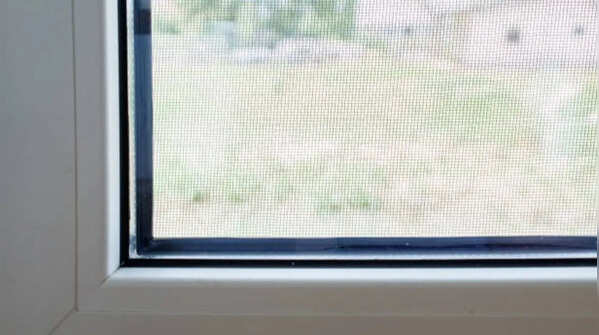
Using fine mesh screens for windows
The simplest method for reducing dust is installation of fine mesh screens on windows. Mesh allows passage of ventilation and air without dust, outdoor pollutants and even flying insects. Nowadays, there exist many types of removable or sliding fine mesh screens which work effectively in both apartments and individual houses. The choice of good-quality fine meshes with smaller holes helps to minimize dust while still allowing air circulation.

Thick curtains to reduce dust spread inside
Apart from privacy and interior decoration, using of thick cotton curtains near windows can trap part of the dust coming indoors before it spreads all over the room. Light and sheer curtains are usually insufficiently protective against dust in such cases. However, home maintenance experts recommend regular washing of curtains as trapped dust can lead to accumulation and gradual decrease of hygiene inside homes.
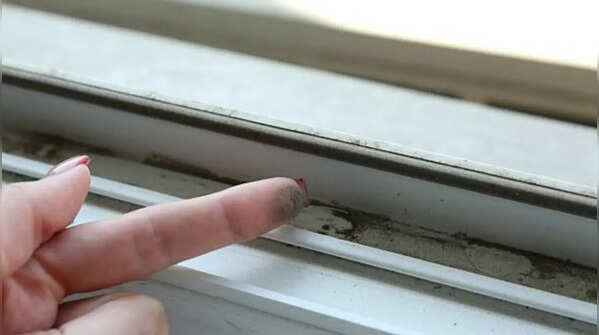
Clean window tracks and frames regularly
Tracks, corners, and sliding mechanisms of windows are places where a large quantity of dust can settle easily. Opening and closing of windows can lead to the return of dust back indoors. Regular wiping and vacuum cleaning of window tracks and corners reduces the risk of such a problem. In case of constant urban pollution and construction works, frequent cleaning becomes a must according to experts.

Use indoor plants to improve air quality slightly
There exist various types of indoor plants, which not only create a fresh atmosphere inside but also may capture airborne dust around the window area. Spider plant, areca palm, money plant, and peace lily are some of the examples. Although plants cannot block dust completely, they help somewhat to clean indoor air and improve visual appearance of the interior.

Try to keep windows half-open during dusty hours
Most cities experience an increased level of dust during afternoon hours, windy days, or construction work. Keeping windows partially open instead of fully open may reduce the entry of dust into the home during these times. Some households use strategic ventilation by choosing less polluted side of the home or timing ventilation during nighttime.

Prevent small leaks in the window area with sealing
There exist many tiny gaps near windows and between frames where dust can constantly enter the interior. Leaks are also possible due to damage to the rubber sealant on the doorframe. Weather strips, rubber, or foam insulation can be helpful in sealing gaps near windows. Not only does proper sealing help to reduce dust, but it also improves noise reduction and temperature balance slightly.

Disclaimer:
This article is for general informational and home-maintenance awareness purposes only. Dust levels inside homes may vary depending on location, weather conditions, traffic, construction activity, ventilation systems, and building structure. The methods mentioned may help reduce indoor dust accumulation but may not completely eliminate airborne particles or pollution. Readers with allergies, asthma, or respiratory conditions are advised to consult healthcare professionals or indoor air-quality experts for personalised recommendations and safety guidance.
Featured In lifestyle

MORE FROM ETIMES
life & style