
- News
- lifestyle
- home-garden
- Persimmon to Wasabi: Interior design and home decor experts reveal 2026’s hottest colour trends and where to use them
Trending
Persimmon to Wasabi: Interior design and home decor experts reveal 2026’s hottest colour trends and where to use them

From persimmon to plum noir, the colour trends shaping our home interior spaces in 2026 and how to use them

Interior Expert Reveals 5 Colour Palettes Set to Dominate Homes in 2026
The 2026 colour trends homeowners are embracing
- Persimmon: A burnt, golden-orange that sits somewhere between autumn leaves and a desert sunset, persimmon brings immediate warmth to a room. It is the kind of colour that makes a space feel alive without being loud. In an interview with the Times of India, Geoff Brand, Founder of Bean Bags R Us, a premium Australian-owned brand supplying stylish seating solutions to homes, schools and commercial spaces worldwide, shared, “A statement chair, a throw or a bold bean bag in persimmon can anchor a living room and give it real character.”
- Cool Blue: Soft, airy and quietly sophisticated, cool blue draws on the well-established psychological link between blue tones and calm. “Cool blue performs best in spaces where you want the mind to slow down,” said Geoff. “Bedrooms and reading nooks are the obvious fit.”
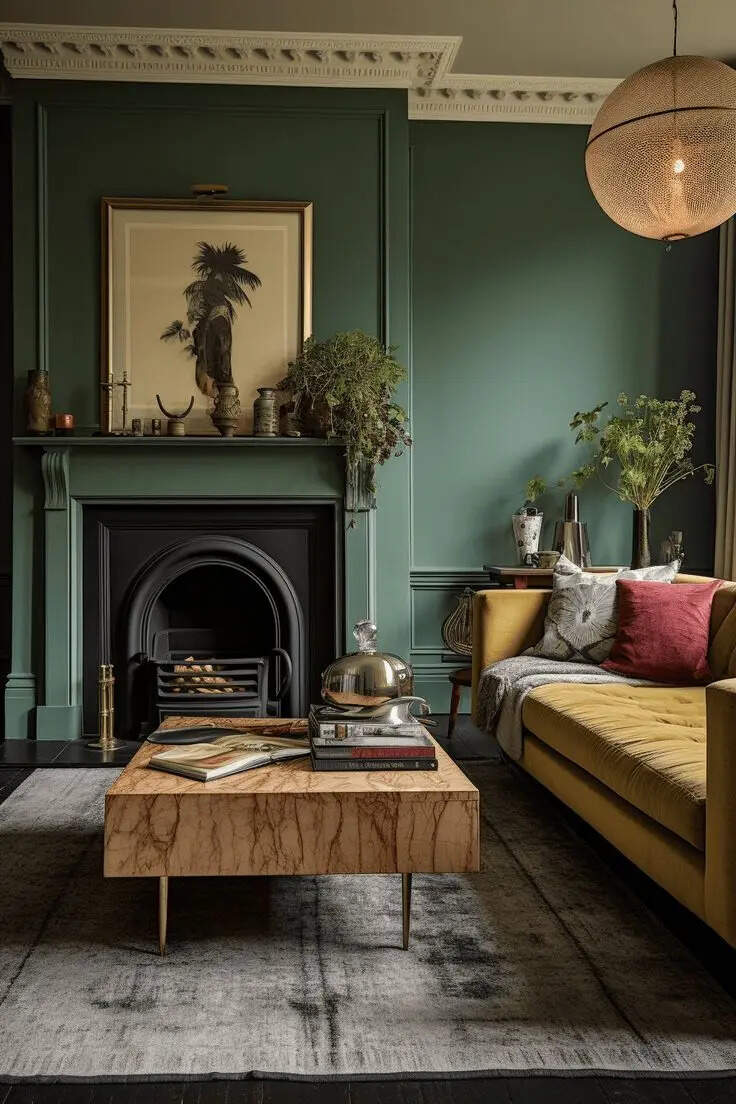
- Jade: Rich and grounding, jade sits at the intersection of nature and luxury. It has the depth of a dark green without feeling heavy, pairing effortlessly with timber, rattan and linen. “Jade is one of those colours that ages incredibly well,” Geoff noted. “If you're looking for a shade that will still feel considered in five years, it's a sound choice.”
- Plum Noir: The most dramatic of the five, plum noir is a deep, blue-leaning purple with a moody sophistication that suits evening spaces. “Plum noir doesn't have to mean dark walls from floor to ceiling,” said Geoff. “Even a plum-toned rug or a cluster of cushions can change the entire atmosphere of a room.”
- Wasabi: Sharp, fresh and a little unexpected, wasabi is a yellow-green that brings energy without the intensity of lime. “Small doses of wasabi, like a vase, a side table, or a bean bag in the corner, lets the colour do its job without dominating the room,” said Geoff. “It pairs particularly well with warm whites and natural wood tones.”
Matching colour to room function

Interior design and home decor tips to match each palette to different rooms, from bedrooms and kitchens to home workspaces, based on mood, light and function.
Expert warns against overstimulating a space and urges homeowners to think about longevity before committing to a trend
End of Article
Follow Us On Social Media
Health +
Tired of too many ads?go ad free now
lifestyle videos
Featured In Lifestyle

Tired of too many ads?go ad free now



MORE FROM ETIMES
life & style
Hot on the Web
Lara DuttaAamir KhanChild Lunch StoryRani KapoorJana NayaganRajesh KumarAyurveda DietDacoit Box Office CollectionAhmedabad Dosa Batter TragedyLIK CollectionDacoit Twitter ReviewsDhurandhar 2 Box Office CollectionDelnaaz IraniTiger ShroffSandeep Reddy VangaLara DuttaAjaz KhanJack Ma QuoteMadhuri DixitLove Insurance Kompany ReviewsJana NayaganLionel Messi ParentingLord Ganesha DrawingOrange Peels SerumDhurandhar 2 ReviewBaba Ka DhabaDhurandhar 2 CollectionMovierulzHoroscope TodaySanjeev KapoorToday Gold Rate in ChennaiDelhi Weather TodayDelhi AQI TodayMumbai AQI TodayMaharashtra Public Holidays 2026Uganda ChimpanzeeFungus That Eats GoldInstagram Allows Users To Edit CommentsGarena Free Fire MAX Redeem CodesShorebirdBasketball Zero Codes
Trending Topics
Latest MoviesBollywood MoviesHollywood MoviesTamil Movies 2026Telugu Movies 2026Malayalam Movies 2026Kannada MoviesMarathi MoviesBengali Movies 2026Top Rated Movies 2026Best Hindi MoviesBest English MoviesBest Telugu MoviesBest Tamil MoviesBest Malayalam MoviesBest Kannada MoviesBest Bengali MoviesUpcoming Hindi MoviesBest Movies Of All TimeBest Hindi Movies of All TimeLatest English MoviesLatest Malayalam MoviesEnglish TV NewsTamil TV NewsTelugu TV NewsMalayalam TV NewsKannada TV NewsMovie ReviewsBhojpuri Cinema NewsGujarati Cinema News
Popular Categories
Viral NewsK Pop NewsWeb Series NewsAnime NewsUpcoming English MoviesUpcoming Tamil MoviesUpcoming Telugu MoviesUpcoming Malayalam MoviesUpcoming Kannada MoviesFashion TipsTravel NewsEntertainment NewsBollywood NewsTollywood NewsKollywood NewsMollywood NewsFood NewsLatest Hindi MoviesLatest Tamil MoviesParenting TipsHome RemediesWeight LossBeauty TipsParenting TipsHindi VideosHindi Video SongsBhojpuri Music VideosLatest Telugu MoviesBhojpuri Music VideoHindi TV News
Latest News
Hazaribag man drowns while fishing in lake"Behen Darr Gayi!": Fans relive ‘Bhagam Bhag’ era after watching Akshay Kumar's 'Bhooth Bangla' trailerMBOSE HSLC result 2026 to release tomorrow: Check details hereIran war risk: JPMorgan CEO Jamie Dimon warns of oil shocks, sticky inflation and higher interest ratesMake your clutch last longer with these easy driving tips“Three-against-one situation”: El Rubius opens up on being “targeted” in MrBeast’s viral $1M challengeBihar BTSC lab assistant notification released for 1091 posts at btsc.bihar.gov.in; apply hereIPL craze costs techie Rs 1.46 lakh in fake RCB vs CSK ticket scamRaising “robot-proof” kids: Why creativity and curiosity matter more than everInside ‘Satguru Sharan’: Exploring Saif Ali Khan and Kareena Kapoor Khan’s Rs 100 crore Bandra homeHow selling Alaska in 1867 was a costly mistake for Russia'Hera Pheri 3 is coming': Paresh Rawal dismisses delay reports and reveals he will 'start shooting soon'US-Iran War: A daring rescue Hollywood blockbuster is on its way. Till then, pick your favourite from these 10 films on bringing someone home against all oddsKolkata team unveils fan mural at Rash Behari Avenue, celebrating city’s first loveHow US spread a lie to rescue a pilot of a jet shot down in IranNetflix unveils ‘VOID’, an AI model that can change a movie plotAI data centers are causing 'stress' not just to tech companies, but also private insurers"Trans women are.....": Clavicular’s viral moment with trans women sparks fresh conversation on internet culture