
How to make a DIY anti-ageing serum using orange peels at home
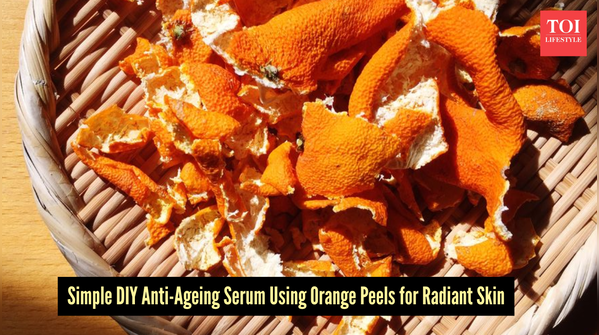
Don’t Throw Away Orange Peels
We all want that radiant, youthful glow. You probably spend thousands on fancy little dropper bottles promising the world, constantly searching for the holy grail of skincare. But what if the secret to brighter, tighter skin is currently sitting in your fruit bowl?
Before you toss those leftover orange peels into the trash, you might want to hold on. They are absolutely packed with natural Vitamin C and antioxidants. This makes them perfect for neutralizing free radicals and supporting collagen production. Best of all, turning them into a potent, hydrating anti-ageing serum at home is surprisingly simple. Here is everything you need to know to whip up your own citrus miracle.
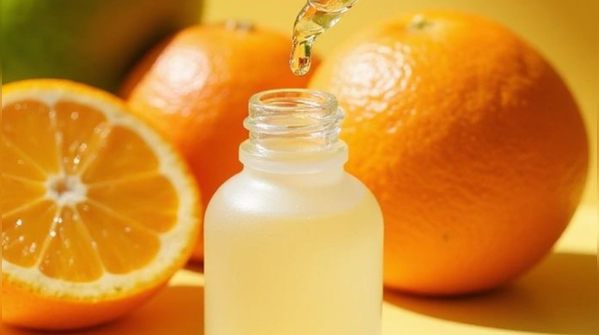
What You’ll Need
To get started, you only need a handful of accessible ingredients:
● 2–3 Organic Oranges: Going organic is a big deal here. You want to completely avoid extracting the harsh pesticides often sprayed on conventional fruit.
● 2 tbsp Rose Water: Distilled water works in a pinch if you don't have rose water.
● 1 tbsp Pure Aloe Vera Gel: This acts as your soothing, hydrating base.
● ½ tsp Vegetable Glycerin: A fantastic humectant to draw moisture right into your skin.
● 2 Vitamin E Capsules: For an extra antioxidant boost and to help delay oxidation.
(Image Credits: Pinterest)
The Step-by-Step Process
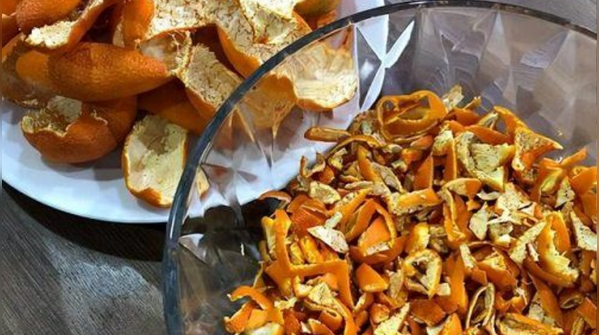
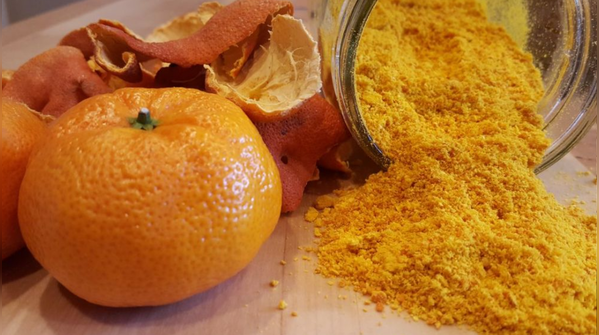
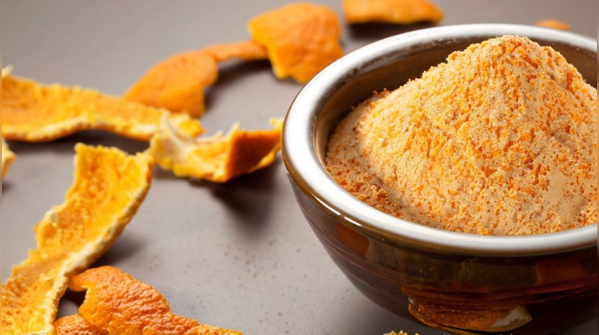
1. Prep the Peel First, wash your oranges thoroughly. Peel them carefully, making sure to scrape away as much of that bitter white pith as you can. Lay the peels flat on a tray and let them dry out completely. You can leave them in the sun for a few days, or if you are impatient, bake them in the oven on its absolute lowest setting for an hour or two. Give it a good blitz until it turns into a super fine dust. Make sure to run it through a sieve next, as you really don't want any stubborn, gritty chunks messing up the texture.
2. Getting to the Good Stuff (The Extraction) Now, grab a small bowl. Scoop in a tablespoon of your freshly ground citrus powder and swirl it together with a couple of tablespoons of rose water. Cover it up and let it steep for about 4 to 6 hours. This resting period is crucial—it pulls the water-soluble Vitamin C out of the peels. Afterward, pour the mixture through a cheesecloth or a coffee filter, squeezing out every last drop of liquid. Toss the leftover pulp.
3. Mix Your Magic Take that infused orange liquid and add your aloe vera gel and vegetable glycerin. Pierce the Vitamin E capsules, squeeze the oil in, and whisk everything together vigorously. Keep stirring until the aloe dissolves completely and the mixture looks slightly cloudy with a nice, gel-like consistency.
(Image Credits: Pinterest)
Storage and Application
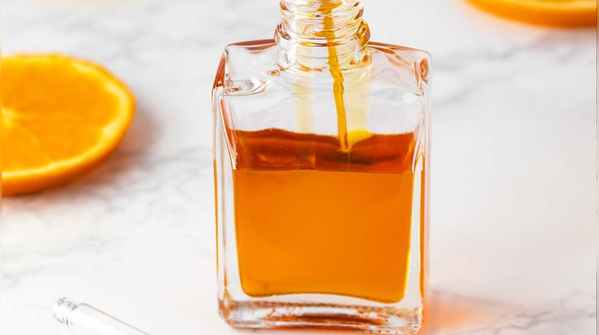
Transfer your fresh serum into a dark glass dropper bottle—amber or cobalt blue is ideal. Dark glass shields the delicate Vitamin C from light exposure, which degrades it quickly. Because you aren't using chemical preservatives, you must store this bottle in the refrigerator to keep mold and bacteria at bay.
When you're ready to use it, cleanse your face and apply 3-4 drops, massaging it gently upwards. Follow up with your favorite moisturizer. If you apply this in the morning, finishing with a broad-spectrum sunscreen is absolutely non-negotiable. Vitamin C makes your skin sensitive to UV rays, and the sun will instantly destroy the antioxidants on your skin if unprotected.
(Image Credits: Pinterest)
A Quick Reality Check
DIY skincare is incredibly fun, but keep your expectations realistic. Natural Vitamin C is highly unstable. If your serum turns dark yellow or brown, or starts smelling funky, it has oxidized. Throw it away immediately. You will need to make a fresh batch every 7 to 10 days.
Also, remember that a homemade water-based extract won't penetrate your skin barrier as deeply as lab-formulated clinical serums. It provides a beautiful surface-level brightening and hydration boost, but it's a gentler approach. Finally, always do a patch test on your jawline 24 hours before slathering it all over your face!
(Image Credits: Pinterest)
Who should avoid orange peel serum on skin?
Orange peel serum is known for its vitamin C content, but in some cases it can trigger irritation, sensitivity, and also worsen existing skin conditions. This happens because of its strong acidic content.
(Image Credits: Pinterest)
Featured In lifestyle

