
- News
- lifestyle
- home-garden
- Plants that need pruning in May in India
Plants that need pruning in May in India

Plants that need pruning in May in India
May happens to be one of the hottest months all over India, but it is also a critical stage for gardeners to prepare their plants before the onset of monsoon rains. This period sees the need for pruning to help get rid of dried-up stems, increase flow of air around plants, promote branching, and allow the plants to prepare for a new flowering cycle or new seasonal growth. Several flowering plants and fast-growing plants are recommended for light to moderate pruning towards the late summer stage before the arrival of rain and high levels of humidity. However, there are some concerns about pruning during the peak heat stage, as this might overstress the plants. Here are six common plants in India that are subject to pruning in May.
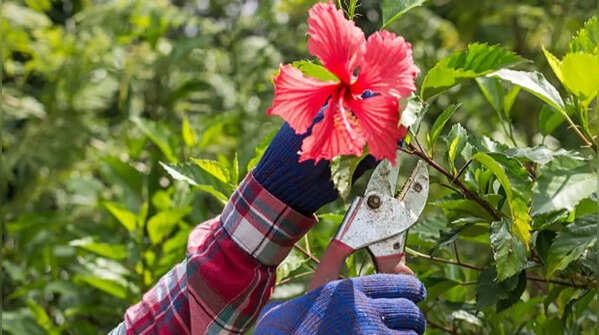
Hibiscus – pruning promotes healthy flowering branches
The hibiscus plant is a fast-growing plant in India. It grows rapidly within a short time, leading to overcrowded branches. Therefore, light pruning in May is required to help remove dry stems, undesirable growths, and faded flowers. Pruning helps remove old branches to allow side-shooting and promotes healthier plants, which will flower better in subsequent weeks.
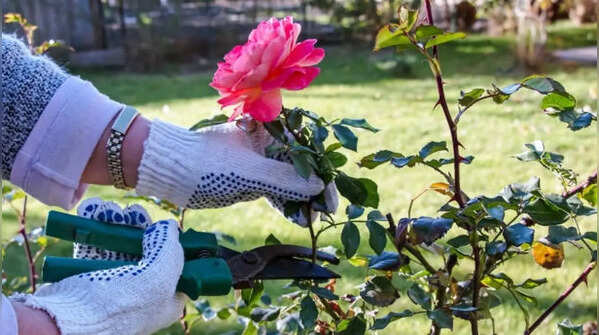
Rose – summer pruning promotes healthy blooms
Most rose plants are known to flower profusely in India, hence need to be pruned during summer. If the branches are dry and overcrowded after a previous flowering season, removal of the dry and weak stems helps the plants conserve energy for further flowering. Summer pruning promotes better plant shape and allows for better air circulation around the plants.
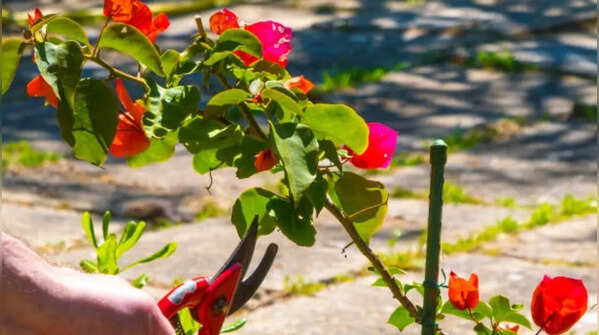
Bougainvillaea – summer pruning helps control plant size
This flowering plant is known to spread rapidly and may become tangled or overgrown if no effort is made to keep it under control. Removal of dry and weak stems is helpful in shaping the plant to promote fresh flowering cycles. Since the plant produces flowers best in its young shoots, trimming of the stems at this stage promotes good flowering.

Jasmine – summer pruning promotes bushier growth
The process of pruning jasmine plant helps to keep it tidy and maintain its proper growth structure. Removal of dead stems and faded flowers ensures that the plant branches properly, promoting bushy growth. Pruning occurs right after flowering periods to maintain proper plant shape.
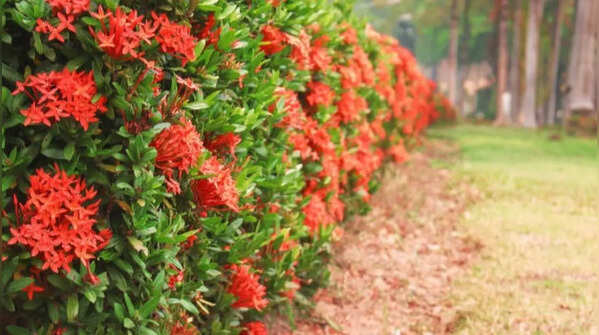
Ixora – removal of old flower clusters promotes better appearance
This flowering plant is commonly used in Indian gardens owing to its colourful flower clusters and ability to maintain neatness due to its compact nature. Pruning involves removal of old flowers and branches to allow for fresh shoots in subsequent flowering cycles.
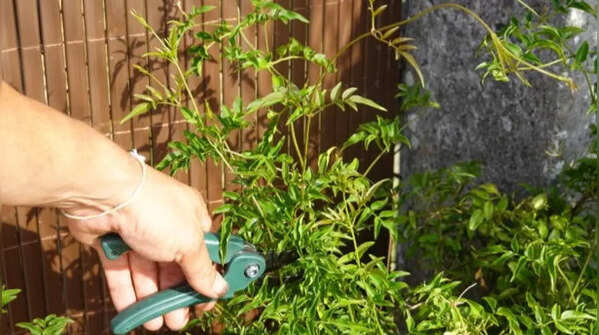
Curry leaf plant – summer pruning promotes fresh shoots
This plant is known to grow rapidly due to frequent harvesting of curry leaves by many gardeners. Light pruning during the early stages of summer is required to ensure that new shoots emerge during the monsoon season. Pruning helps promote good air circulation and improved plant health.
Disclaimer:
This article is for general informational and gardening awareness purposes only. Pruning requirements may vary depending on plant species, regional climate, soil conditions, humidity, sunlight exposure, and overall plant health. Improper or excessive pruning during extreme summer heat may damage certain plants or reduce flowering temporarily. Readers are advised to consult local horticulture experts, nurseries, or gardening professionals for region-specific pruning techniques and seasonal plant care guidance.
Featured In lifestyle

MORE FROM ETIMES
life & style