
- News
- lifestyle
- home-garden
- The ‘pollinator balcony’ trend every Indian gardener should know about
The ‘pollinator balcony’ trend every Indian gardener should know about
The ‘pollinator balcony’ trend every Indian gardener should know about
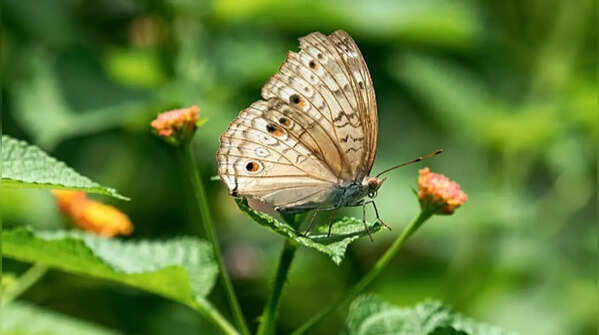
Balcony gardening in India is now changing from simple pots and flowers to something greater: pollinator balconies, which are being created exclusively for butterflies, bees, and other insect species. Such gardens include various plants, herbs, and even miniature pools that attract beneficial insects and help them survive in the midst of urbanisation. Apart from boosting biodiversity, pollinator balconies create a sense of liveliness at home while adding natural beauty to compact spaces. Here are some reasons why this practice is rapidly gaining popularity among urban gardeners in India.
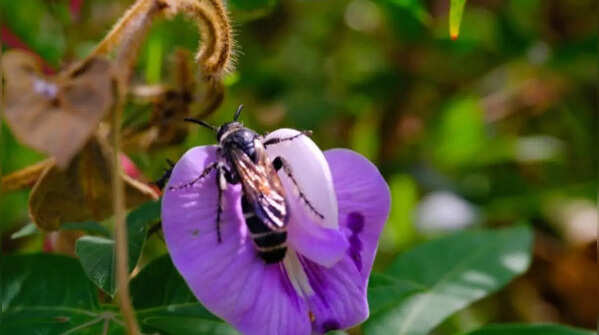
Butterfly pea – the climber loved by butterflies
This plant is great for Indian balconies since it grows rather quickly, requires minimum space, and provides beautiful natural coverage for balconies due to railings and grills. Moreover, apart from attracting butterflies, this plant produces edible flowers for herbal teas in Indian cuisine. Butterfly peas grow well in pots and are considered climbing plants.
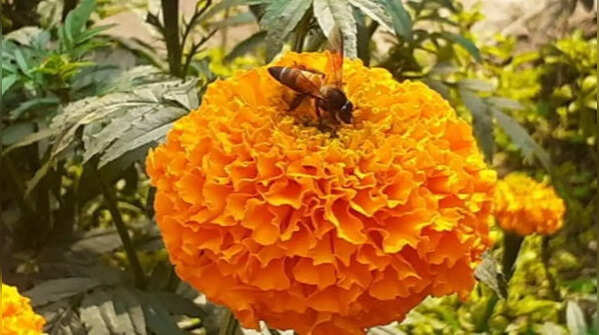
Marigold – the brightly-coloured flower which attracts pollinators
Being an easy-to-grow and bright-flowered plant, marigolds have become one of the top choices for pollinator balcony gardens. Their yellow and orange blossoms attract butterflies, bees, and other pollinators due to nectar. In addition, this type of flower is quite tolerant of Indian climate conditions. Moreover, marigolds provide long blooming periods, which makes them very popular among apartment gardeners in India.
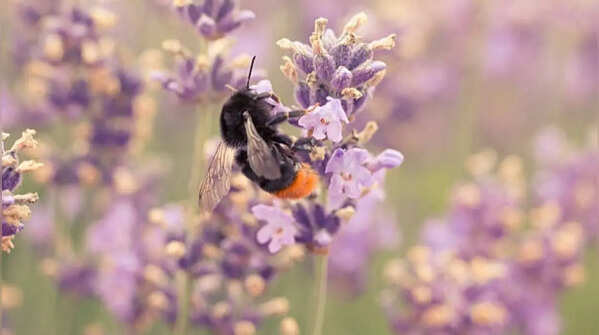
Lavender – the fragrance of flowers that attract bees to balconies
Apart from having calming properties, lavender has become rather popular in recent years due to its pollinator-friendly flowers. They attract bees due to rich in nectar. Lavender prefers sunny locations and good drainage; however, it needs moderate irrigation. Besides its positive effects on biodiversity, lavender brings calm and elegance to balconies due to its purple flowers.
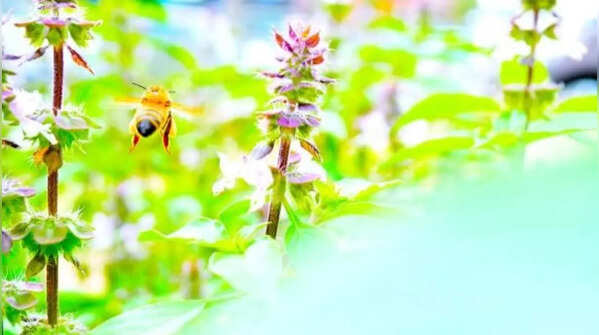
Tulsi – sacred Indian herb for boosting biodiversity
This plant is valued not only for its health benefits but also for the ability to attract butterflies and bees when flowering. Due to its ability to withstand the harsh Indian climate, tulsi is a popular choice for pollinator balcony gardens. It attracts beneficial insects due to its rich nectar flowers. In addition, Tulsi adds green coverage to balconies due to its dense foliage.
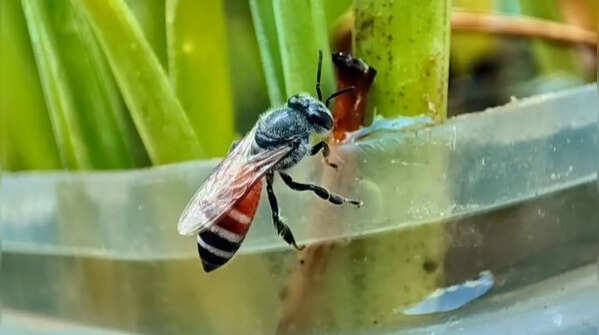
Small pools and no chemicals play significant roles in pollinator balcony gardening
In addition to using specific flowers and herbs for creating pollinator balconies, many gardeners use artificial pools for butterflies and bees to drink safely from. Moreover, experts recommend avoiding excessive use of chemical pesticides, which might negatively affect visiting insects. Therefore, organic fertilizer, compost, and companion planting have become very popular among gardeners.
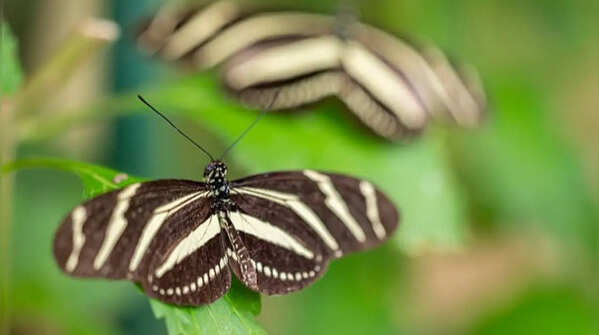
Pollinator balconies make apartments feel like mini natural ecosystems
The main reason why this trend gains its popularity is the possibility of transforming apartment balconies into living green places with lots of movement. Visits from butterflies attracted by flowers and herbs and occasional visits by birds make people more aware of the natural environment outside big cities. According to many urban gardeners, pollinator balconies help restore balance within apartments.
Disclaimer:
This article is for general informational and gardening awareness purposes only. The presence of butterflies, bees, and other pollinators may vary depending on local climate, season, plant selection, pesticide use, and surrounding environmental conditions. While pollinator-friendly gardening can support urban biodiversity, readers are advised to use safe and region-appropriate plants suitable for their area. For gardening guidance, pest management, or balcony safety concerns, consult local horticulture experts, nurseries, or environmental authorities.
Featured In lifestyle

MORE FROM ETIMES
life & style