
- News
- lifestyle
- parenting
- parenting-stories
- 7 things children remember about their parents forever
7 things children remember about their parents forever

7 things children remember about their parents forever
Children rarely remember every toy they owned, every dinner they ate, or every ordinary afternoon at home. What stays with them is something quieter and far more powerful: the emotional weather of the house, the tone in which love was delivered, the way conflict was handled, and the kind of adults their parents were when nobody else was watching. Years later, children often grow up to remember not the grand gestures, but the small, repeated moments that shaped how safe, worthy, and seen they felt. These memories do not fade easily because they become part of a child’s inner blueprint for trust, love, and self-respect. Here are seven things children remember about their parents forever.

The way they made them feel
Long after childhood ends, children tend to remember one basic thing above all else: how it felt to be around their parents. Were they relaxed or tense? Warm or unpredictable? Encouraging or constantly critical?
A child may forget exact conversations, but they rarely forget the emotional climate of home. A parent who made them feel protected and accepted leaves behind a deep sense of security. A parent who made love feel conditional can leave a much longer shadow. Children carry these feelings into adulthood, often without realising it at first.
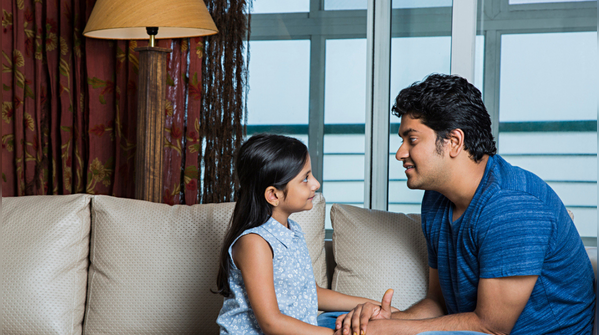
Whether they felt truly listened to
Children do not need parents to agree with everything they say. They do need to feel heard. A parent who kneels down, listens without interrupting, and takes a child’s fear or excitement seriously gives them something lasting: the belief that their voice matters.
That memory stays. So does the opposite. Many adults can still recall the sting of being dismissed with “you are too small to understand” or “stop crying, it is nothing.” To a child, being listened to is not a minor courtesy. It is proof that they exist in the emotional life of the family.
How they handled anger
Children notice far more than adults think. They watch how parents argue, how they speak when frustrated, and whether anger turns into shouting, silence, sarcasm, or repair. This becomes one of the strongest lessons they absorb.
If a parent loses temper and later apologises, the child learns that conflict does not have to destroy relationships. If anger is constant, explosive, or humiliating, the child learns to fear disagreement. In many ways, parents teach their children what love looks like under pressure. That lesson often follows them for life.

The sacrifices they made
Most children, especially when they grow older, begin to understand the quiet sacrifices their parents made for them. It may be the skipped meal, the extra shift at work, the worn-out shoes replaced only for the child, or the personal dreams put aside for family responsibilities.
Children remember sacrifice because it is one of the clearest forms of love. They may not appreciate it fully at the time, but they often return to it later with a new kind of respect. What looked ordinary in childhood can look heroic in adulthood. And those memories can deepen gratitude in ways words never quite capture.
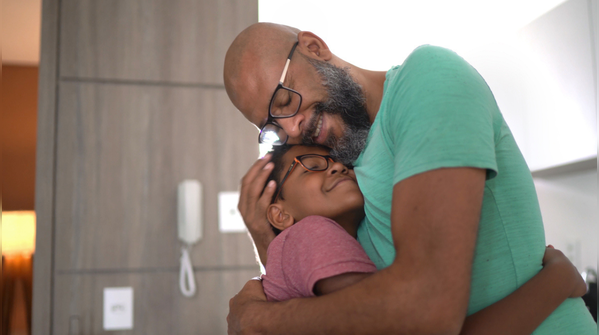
The moments they showed pride
Few things stay with a child like the memory of a parent being proud of them. It may be after a school performance, a sports win, a small act of kindness, or even a brave attempt that did not go perfectly.
Children remember the sparkle in a parent’s eyes, the way their name was spoken, the feeling of being chosen and celebrated. That pride becomes a mirror. It teaches children how to see themselves. When a parent notices effort, not just results, they help build confidence that can last well beyond childhood.

The respect they showed at home
Children are always watching how parents treat one another, how they speak to elders, helpers, neighbours, and strangers. They absorb everything. Respect is not only something parents tell children to practise; it is something children learn by witnessing.
A home where people speak politely, apologise when needed, and disagree without cruelty leaves a mark. So does a home where shouting, mockery, or humiliation is normalised. Later in life, children often reproduce the respect, or the lack of it, that they grew up seeing every day.
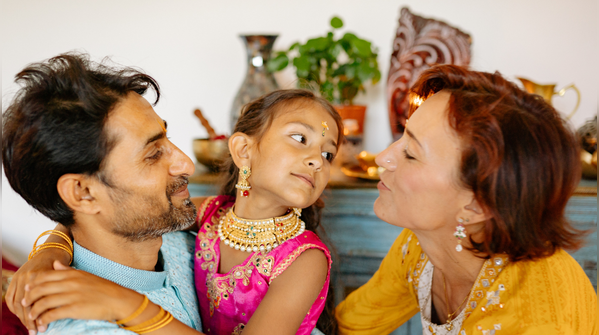
Whether they felt loved without earning it
Perhaps the most unforgettable memory of all is this: did love feel steady, or did it have to be earned? Children remember whether affection was available only after good marks, good behaviour, or obedience, or whether they were loved simply because they existed.
Unconditional love does not mean allowing bad behaviour. It means a child never has to wonder whether they are lovable on a difficult day. That kind of assurance becomes a lifelong anchor. It helps children become adults who are more secure, kinder to themselves, and less afraid of being imperfect.
In the end, children do not remember parents as perfect people. They remember them as the first and most important relationship of their lives. And what they carry forward is not just memory, but emotional inheritance. What parents offer in childhood often becomes the voice children hear in their heads for years to come.
Featured In lifestyle

MORE FROM ETIMES
life & style