
Trending
This Rajasthan farmer planted 27,000 trees in the desert and stopped sand from swallowing his village
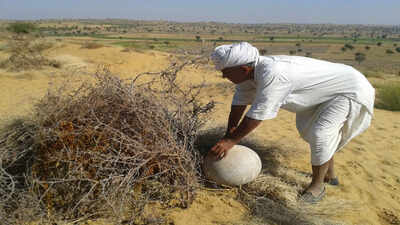
A patch of desert that refused to stay barren
One farmer, one well, one earthen pot

Trees chosen for survival, not decoration
Why the Bishnoi context matters
What his work leaves behind

About the AuthorTOI Lifestyle Desk
End of Article
Follow Us On Social Media
Health +
Tired of too many ads?go ad free now
lifestyle videos
Featured In Lifestyle

Tired of too many ads?go ad free now



MORE FROM ETIMES
life & style
Hot on the Web
Rakesh BediSalman Khan HouseRanbir KapoorParineeti ChopraFriday OTT releases of the weekMaamla Legal Hai Season 2 ReviewLeader CollectionHair RegrowthEarthquakeRamayanaVegetarian Friendly CountriesDhurandhar 2 Box Office CollectionTarun Mishra StoryModi Tea StallChef Sanjeev KapoorNuclear And Space ScientistsRaghav Chadha HomeYashDhurandhar 2 ReviewGame Of ThronesUstaad Bhagat Singh CollectionNithya Menen HomeMark TwainAmitabh BachchanDhurandhar 2 CollectionSummer Hair GrowthMovierulzAadu 3 Box Office CollectionHoroscope TodayIndian Railways New RulesToday Gold Rate in ChennaiDelhi Weather TodayDelhi AQI TodayMumbai AQI TodayMaharashtra Public Holidays 2026Realme 16Apple iPhone 18 ProArtemis II Toilet TroubleGarena Free Fire MAX Redeem CodesArtemis II Toilet TroubleBasketball Zero Codes
Trending Topics
Latest MoviesBollywood MoviesHollywood MoviesTamil Movies 2026Telugu Movies 2026Malayalam Movies 2026Kannada MoviesMarathi MoviesBengali Movies 2026Top Rated Movies 2026Best Hindi MoviesBest English MoviesBest Telugu MoviesBest Tamil MoviesBest Malayalam MoviesBest Kannada MoviesBest Bengali MoviesUpcoming Hindi MoviesBest Movies Of All TimeBest Hindi Movies of All TimeLatest English MoviesLatest Malayalam MoviesEnglish TV NewsTamil TV NewsTelugu TV NewsMalayalam TV NewsKannada TV NewsMovie ReviewsBhojpuri Cinema NewsGujarati Cinema News
Popular Categories
Viral NewsK Pop NewsWeb Series NewsAnime NewsUpcoming English MoviesUpcoming Tamil MoviesUpcoming Telugu MoviesUpcoming Malayalam MoviesUpcoming Kannada MoviesFashion TipsTravel NewsEntertainment NewsBollywood NewsTollywood NewsKollywood NewsMollywood NewsFood NewsLatest Hindi MoviesLatest Tamil MoviesParenting TipsHome RemediesWeight LossBeauty TipsParenting TipsHindi VideosHindi Video SongsBhojpuri Music VideosLatest Telugu MoviesBhojpuri Music VideoHindi TV News
Latest News
'Biker' box office collection day 3: Sharwanand’s racing drama earns close to Rs 10 crore after first weekendPopular Wall Street analyst who claims he has analysed 84 Microsoft earnings calls, from Steve Ballmer through Satya Nadella, says market is missing something as billions wiped from company's stockRCB run riot against CSK: Tim David carnage seals 43-run win'Denying no property in Dubai?': Pawan Khera escalates attack on Himanta, wife over foreign assets‘I just hate seeing it’: Ex-England skipper blasts Sanjiv Goenka-Rishabh Pant episodeMaharashtra CET 2026 schedule revised: Check complete details hereMadhya Pradesh man kills 2nd wife over suspected affair, sleeps beside body with kidsOil prices rise as Donald Trump issues fresh ultimatum on Strait of Hormuz; Brent nears $111TSLPRB TSRTC Answer Key 2026 released at tgprb.in: Check direct link and objection details'Youth' box office collection day 18: Ken Karunaas starrer gains weekend momentum, nears Rs 70 crore globallyYesterday Match Results: Rishabh Pant, Tim David light up thrilling IPL Sunday“Character would be destroyed”: NFL legend blasts Geno Auriemma over apology after heated clash with Dawn StaleySouth Korea president says regrets 'reckless' drones sent to North'Dhurandhar 2' enters Rs 1000 crore club in India; DOP Vikash Nowlakha thanks Aditya Dhar for his 'trust and vision'IPO pipeline builds up; 38 companies file papers in MarchBengal assembly elections: Malda incident shows ‘law & order collapse’, says PM Narendra ModiVignesh Shivan on Dhanush fallout: 'Love Insurance Kompany' director says losing their friendship is his biggest regretCSK script history, go past RCB in elite IPL list… despite heavy defeat