
- News
- lifestyle
- soul-search
- Why do Catholics use holy water at church entrances
Why do Catholics use holy water at church entrances
Why do Catholics use holy water at church entrances
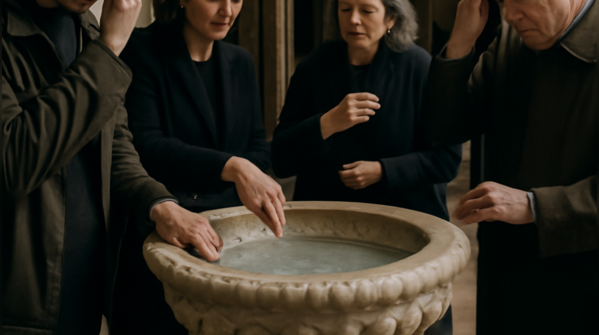
Holy water is a special kind of blessed water used in the Catholic Church to help people feel closer to God and prepare for prayer they are about to offer. It is utilized in many rituals and ceremonies and dipping fingers in holy water when entering a church is one of the most prevalent practices. The practice is of profound spiritual and symbolic significance to Catholics globally. Exploring symbolism, spiritual value, historical origins, and function within Catholicism answers the question of why holy water is used at church doors.
Protection from evil
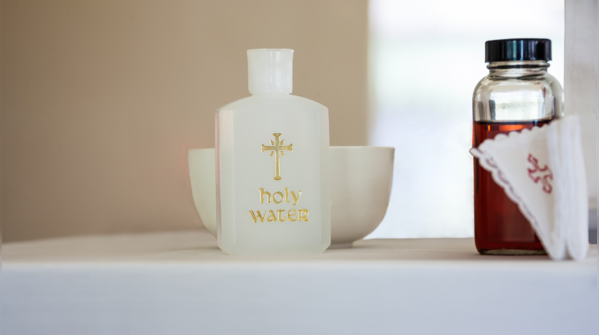
The second reason why Catholics apply holy water at church doors is that it is believed to have an association with protection. The Church has taught that holy water has been consecrated by a priest and possesses spiritual energy to repel evil. By blessing themselves with holy water, the faithful attain protection against evil influences and spiritual damage. It provides a physical manifestation of God's favor and becomes a shield spiritually as the faithful prepare to face worship and prayer within the church.
Symbolic of purification and renewal
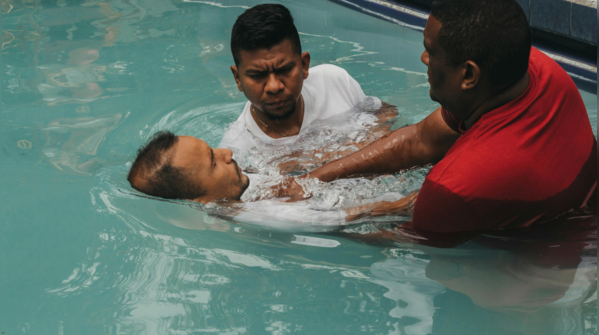
Holy water is a sign of spiritual cleansing and rebirth. When Catholics immerse their fingers in holy water and cross themselves upon entrance into the church, it symbolizes washing away of venial sins and impurities. The rite serves as a reminder of baptism, the sacrament by which one is initiated into the Christian community and washed clean of one's sins. The application of holy water is thus a small, daily means of reaffirming one's commitment to living a holy life and being ready to enter a holy area with an innocent heart.
Historical roots
The practice of holy water existed from the early days of Christianity and originated in Jewish purification ceremonies. In the early Christian Church, water was utilized on a large scale to cleanse and sanctify individuals as well as localities. This evolved over centuries to become the utilization of blessed water as a sacrament. The practice of dipping fingers in holy water and signing oneself with the cross upon entering the church became common in the Middle Ages, further cementing its position as an initial act preceding entrance into God's house.

Reminding the individual of the sanctity of the church
Sacred water at the door begins to establish the reverence of entering into a spiritual space. It signifies the passage from the world outside in to a sanctuary of worship and contemplation. Catholics consider the church to be the dwelling of God, a sacred place in which they come to meet Christ in the Eucharist. The use of holy water is a means of preparing oneself physically and spiritually to take full part in the Mass and other celebrations, respecting the worship owed to the sacred place.
Featured In lifestyle

MORE FROM ETIMES
life & style