
5 iconic works of Pablo Picasso and how they changed modern art forever
5 iconic works of Pablo Picasso and how they changed modern art forever
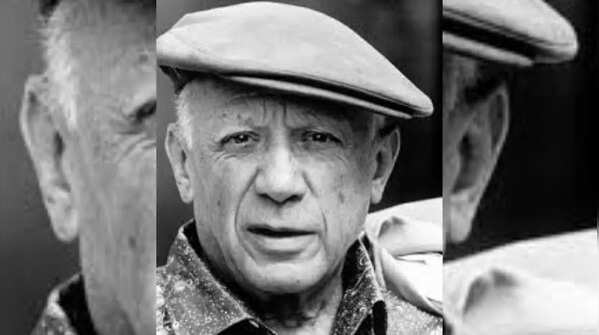
Pablo Picasso (1881-1973) is known as one of the most influential artists of the 20th century. His artistic contributions completely changed the face of modern art. Picasso’s experiments with various styles, particularly Cubism changed the language of art and moved away from the age-old traditions of art.
Picasso created a staggering number of tens of thousands of artworks in his lifetime, including paintings, sculptures, ceramics and prints. His most famous artworks were more than just examples of his artistic skills, they were revolutionary and encouraged many artists to think about what art could be.
Image Credit: Wikipedia
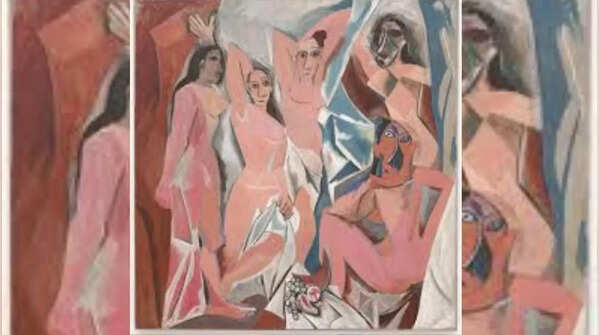
Les Demoiselles d’Avignon (1907)
Les Demoiselles d’Avignon is frequently cited as one of the most revolutionary paintings in the history of modern art. In this painting, Picasso departed from traditional perspective and naturalistic representation, portraying five female figures with sharp and fragmented forms inspired by Iberian and African art. The sharp forms and broken planes rejected classical beauty and marked the beginning of Cubism, a movement that dramatically transformed the way artists represent space and volume on a canvas.
Image Credits: Wikipedia
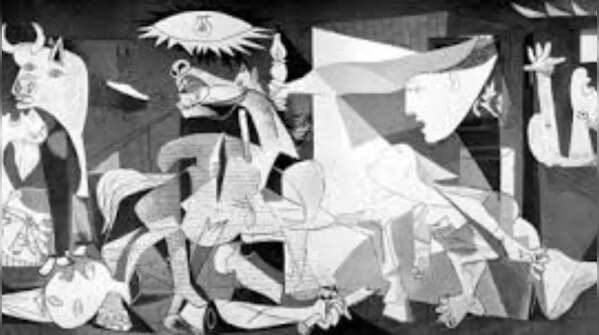
Guernica (1937)
Guernica is Picasso’s monumental and chilling response to the bombing of the Basque town of Guernica during the Spanish Civil War. Painted in black, white and gray, the twisted bodies, screaming women, wounded horse, and fallen soldiers of Guernica powerfully depicted the devastating effects of war on civilians. But Guernica did more than simply make a political statement, it proved that abstract forms could be used to convey a powerful message.
Image Credit: Wikipedia
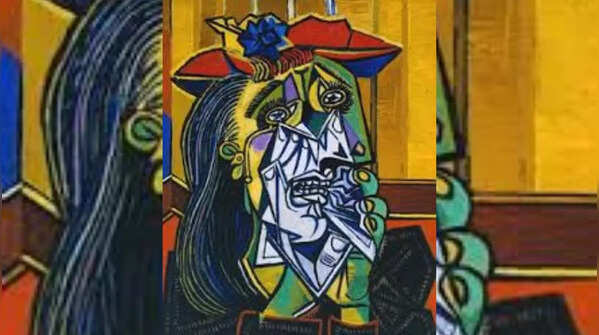
The Weeping Woman (1937)
Painted in the same year as “Guernica” , “The Weeping Woman” is a work that concentrates intensely on the pain of the individual. With Cubist fragmentation and vibrant colors, Picasso shows a woman in torment, her face broken up into expressive shapes. This work extended abstraction from the realm of formal experimentation into the realm of the psyche, demonstrating that modern art could be expressive and emotionally engaging while still being non-representational.
Image Credit: Wikipedia
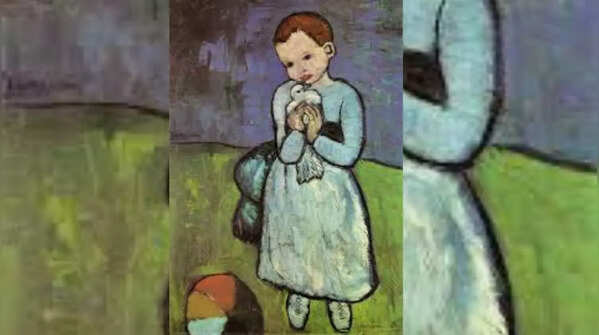
Child with a Dove (1901)
Child with a Dove dates back to Picasso’s Blue Period and showcases his skill in conveying the simplicity of emotion through art. The little girl with the dove represents innocence and peace, which are expressed through simplified forms and bold colours. Although not as revolutionary as his Cubist pieces, this painting is a significant transitional phase in Picasso’s development and contributed to the discovery of abstraction by emphasising emotions over realism.
Image Credit: Wikipedia
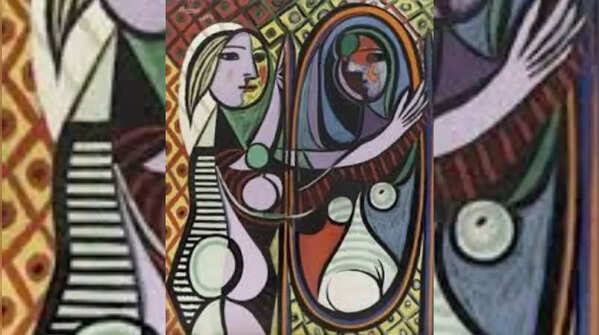
Girl before a Mirror (1932)
"Girl before a Mirror" is a good example of Picasso’s work on identity and inner experiences. The painting portrays a woman in front of a mirror, where her reflection is transformed into a symbolic double. The artist’s use of the distorted reflection in the mirror challenged the traditional portrait and emphasised the conflict between appearance and inner self. The painting contributed to the expansion of the expressive powers of modern art.
These five artworks are some of the most important milestones in Picasso’s artistic career and are the reasons why he is also known as a pioneer of modern art. Starting from the revolutionary nature of Les Demoiselles d’Avignon to the political statement of Guernica and the psychological complexity of Girl before a Mirror, Picasso’s artworks have always opened new avenues in the world of art.
Image Credit: Wikipedia
Featured In lifestyle

MORE FROM ETIMES
life & style