
- News
- lifestyle
- travel
- destinations
- 5 fascinating facts about Indian hill stations
5 fascinating facts about Indian hill stations
5 fascinating facts about Indian hill stations
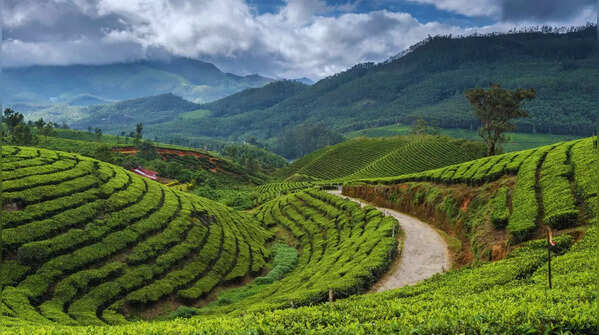
The hill stations of India are commonly linked with cool climates, colonial bungalows, curving roads, and mugs of hot chai sipped while gazing into valleys. However, there is much more to the mists and mountains than meets the eye. These towns were never just holiday destinations, they were political centres, health retreats and carefully curated social spaces.
Here are five fascinating facts about Indian hill stations that most travellers don’t realise.
“Mall Road” was originally a colonial promenade
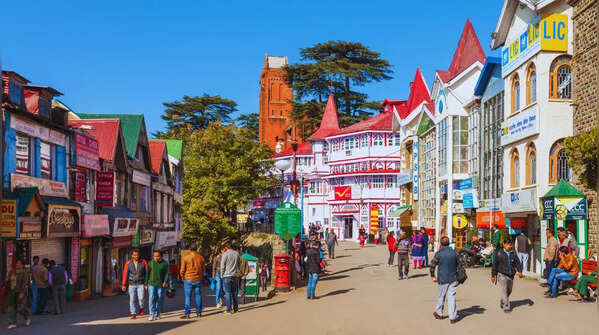
Almost every classic hill station, from Shimla and Mussoorie to Darjeeling, has a Mall Road at its heart. Today, it’s lined with cafés, bakeries, souvenir shops and photo studios. But the “Mall” wasn’t originally built for shopping. Did you know that?
The term comes from British usage referring to a promenade, a place for evening strolls and social display. Historically, during the colonial period, it was an area where British officers and their families would walk, socialize, and live a familiar European lifestyle in contrast to the plains. During that time, the Mall Roads were primarily for the European elite clubs, institutions, and social areas. Over the years, these colonial promenades have transformed into the busy commercial centers that we see today.
Some hill stations were literally summer capitals
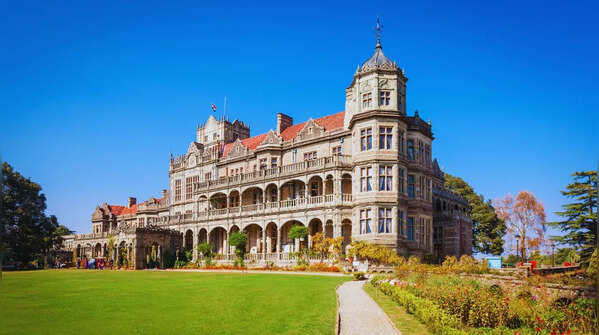
Hill stations were not just retreats, they were administrative headquarters. Shimla was declared the Summer Capital of British India in 1864. Each year, the colonial government shifted operations from the sweltering plains to the cooler Himalayan town. This seasonal migration involved officials, clerks and support staff, effectively moving the seat of power to the mountains. The Viceregal Lodge (now the Indian Institute of Advanced Study) still stands as a reminder of that era. Similarly, Ooty served as the summer headquarters of the Madras Presidency. These towns were planned with churches, clubs, schools and Tudor-style cottages.
Hill stations were built on older indigenous landscapes
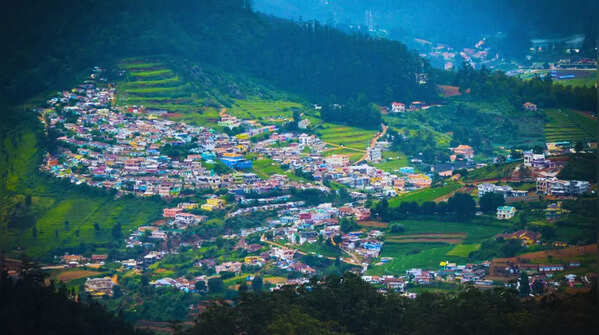
Long before colonial architecture appeared, many hill regions were home to indigenous communities. The Nilgiri hills around Ooty have been traditionally inhabited by the Toda tribe. The region around Darjeeling had significant Lepcha and Bhutia populations before British development began in the 19th century. The British often transformed these areas into sanatoriums and resorts, but the original cultural landscape predated colonial influence by centuries.
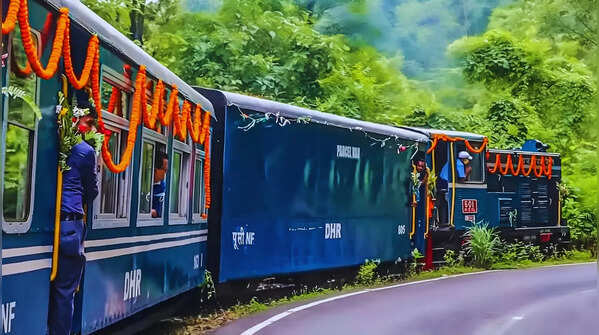
The toy trains were engineering breakthroughs
Some of India’s most charming hill stations are connected by mountain railways that were extraordinary engineering achievements of their time. The Darjeeling Himalayan Railway, finished in 1881, tackles steep country through the use of loops and zigzags instead of tunnels. It is a UNESCO World Heritage Site. The Nilgiri Mountain Railway employs a rack-and-pinion system to tackle steep gradients, a very challenging technology. These railways were not constructed solely for the purpose of tourism. They were strategic infrastructure developments that opened up mountain towns that were inaccessible before the advent of highways.
Hill stations were marketed as health resorts
Prior to the advent of air-conditioning, hill stations were a necessary respite from the tropical climate. The British thought that the cooler climate of the hills protected them from tropical diseases like malaria, which were prevalent in the low-lying areas. Hill stations like Nainital and Kodaikanal were marketed as sanatorium towns, which were meant for rest and recreation. Boarding schools were also set up in these cooler climes. Even today, people visit hill stations not only for their sightseeing opportunities but also for the laid-back lifestyle and long walks in the cool climate.
Featured In lifestyle

MORE FROM ETIMES
life & style